



Deodorant Ingredients Guide: Safe vs Harmful


Deodorant Ingredients Explained: Aluminum, Alcohol & Natural Bases
How Do Deodorants Work-Science Behind Sweat Protection
Deodorants let the actual sweating be but are made to kill the odor causing bacteria. In this case, an antimicrobial that is effective against bacteria that thrive in humid and warm environments, like the ones found in underarms, could be the answer. Antiperspirants block the sweat duct with aluminum salts which form temporary plugs that inhibit the sweat coming out. Such users can only then determine whether they want to control odor or restrict perspiration.
Breaking Down Major Deodorant Chemical Components
-
Aluminum Compounds: The Controversial Ingredient
The aluminum used in deodorants is one of the most contentious substances in personal care products. Aluminum salts, in fact, serve to diminish sweating due to the occlusion of sweat ducts. Very often cited are aluminum chlorohydrate in roll-ons and aluminum zirconium salts in solid stick forms.
The health concerns regarding aluminum in deodorants arise from studies that suggest there may be links to breast cancer and Alzheimer disease, but cancer organizations, namely the National Cancer Institute, are quite adamant that antiperspirants and deodorants do not, per se, cause cancer. Currently, there just is not enough research to support said health claims.
Safety Level: Moderate While somewhat controversial, the scientific consensus finds aluminum compounds safe for topical usage.
-
Alcohol in Personal Care Products
Depending on the specific kind of alcohol used, deodorant alcohol serves various functions. Simple alcohols like ethanol will dry fast and cool down the skin. They have some antimicrobial function that can help neutralize the odor with bacteria.
Not all alcohols are the same: Stearyl alcohol and other fatty alcohols are very good for skin in terms of softening and healing dry skin. Cetearyl and stearyl alcohols; however, both provide moisture and nourishment to underarm skin.
Safety Level: Harmless-fatty alcohols are good for you, but drying alcohols are harsh on hydrated sensitivity.
-
Triclosan: The scrutinized antibacterial agent
Triclosan is a very powerful antibacterial agent for odor-forming microorganisms. In 2016, the FDA restricted the use of triclosan in all OTC antibacterial hand and body washes, citing data on long-term safety were lacking.
Despite other products being federally restricted under the regulations, triclosan is still present in deodorants. The two main things are hormone disruption and development of antibiotic-resistant strains.
Safety Level: Disapproval-it is reasonably definite that exposure needs to be curbed whenever feasible.
-
Fragrance: The Hidden Chemical Cocktail
Synthetic fragrances Artificial perfume allergens are the most encountered allergens found in patients reported to dermatologists, according to a 2003 paper published in the American Journal of Clinical Dermatology.
Fragrance raw materials are closely guarded by the fragrance industry as trade secrets, so it becomes impossible for consumers to pinpoint which specific sensitizing compounds are involved. This is extremely troubling for the very sensitive skin or for allergy sufferers.
Safety Level: Moderate Risk. However, for sensitive skin types and allergy sufferers, most serious risk is posed by this type of product.
Talcum Powder: An Absorber Of Moisture
Talc is a wonderful moisture absorber and gives a smooth application feel. The only current safety issue at hand is historical association with asbestos contamination. Cosmetic-grade talc is subject to a stringent testing regime for the absence of asbestos in its formulations.
Safety Level: Usually Dangerous if purified and tested for contaminants.
Natural Deodorant Bases: Clean Alternatives
-
Baking Soda: Natural Odor Fighter
It neutralizes the acidic odor compound and partly absorbs the moisture. Consider that baking soda can produce a rash in some sensitive skin types.
The So-called Safety Level: Generally Safe - Irritation can happen in sensitive individuals.
-
Plant-based starches and powders:
Numerous powders and starches are possible, including baking soda, cornstarch, arrowroot powder, activated charcoal powder, clay, and tapioca starch. These naturally deodorize bases wonderfully absorb moisture without synthetic chemicals.
Cornstarch and arrowroot powder are fairer baking soda alternatives. Activated charcoal detoxifies, with other clays offering mineral benefits plus excellent absorption.
Safety Level: High: Well, tolerated by most skin types.
Essential Oils: Nature's antimicrobials
Tea tree oil, eucalyptus, and rosemary are naturally antibacterial. Some (like rosemary, lemongrass, and tea tree oil) possess antibacterial properties that assist reduce the smell. However, essential oils may cause allergic reactions in some people. For good effects dilute and patch test properly.
Safety level: Moderate, generally safe but should be talked about for sensitive skins.
Discover natural fragrance secrets in How To Use Essential Oils For Perfume? Learn blending tips, lasting scents, and skin-safe uses; read our blog for expert guidance on creating personalized perfumes.
Quality Deodorant Products: Selected Formulations
-
Ashraqat Noor Cologne
Ashraqat Noor Cologne graceful fragrance is a counterpoint to ancient Middle Eastern scent profiles facing the present deodorant technology. Alcohol-soluble formulas assure extended freshness yet infinitely complex aromatic notes.
-
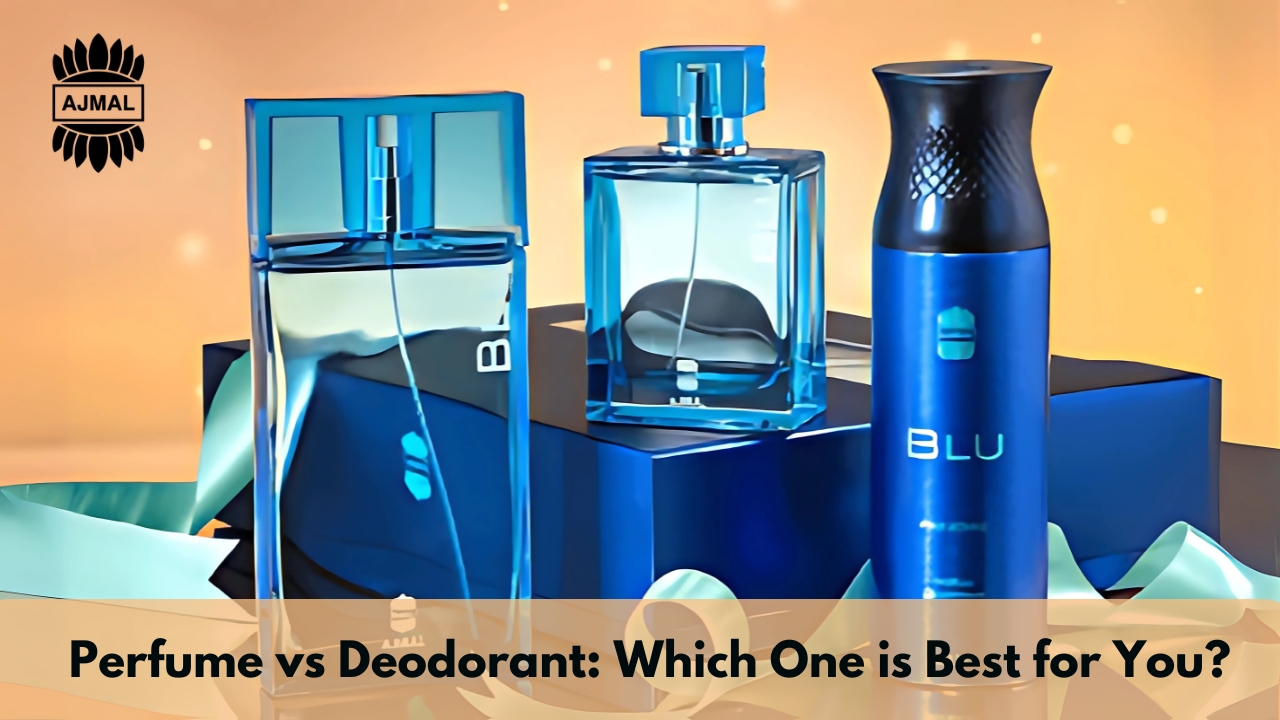
Blu Deodorant
Aluminum-mineral salt formula with plant antimicrobials. Blu Deodorant gel goes on smoothly and voilà-no grunge-all-day protection!
-
Cerise
Infusing a cherry-inspired Cerise fragrance with gentle, skin-conditioning ingredients. A cream-based odor-control formulation for sensitive skin types.
-
Sacrifice 02
Elaborate formula, combining synthetic and natural ingredients for maximum potency. Solid stick Sacrifice 02 format allows easy application with lasting power.
Sacrifice 02
| Ingredient Type | Safety Level | Primary Function | Potential Concerns |
|---|---|---|---|
| Aluminum Compounds | Moderate | Sweat blocking | Controversial health links |
| Fatty Alcohols | High | Skin conditioning | Minimal concerns |
| Drying Alcohols | Moderate | Antimicrobial/Quick-dry | Skin irritation |
| Triclosan | Low | Antibacterial | FDA restrictions |
| Synthetic Fragrance | Moderate | Scent/Appeal | Allergic reactions |
| Baking Soda | High | Odor neutralization | Sensitivity reactions |
| Natural Oils | High | Antimicrobial/Scent | Essential oil allergies |
| Plant Starches | High | Moisture absorption | Rare sensitivity |
Antiperspirant Ingredients 101
The main active ingredients in antiperspirants basically include aluminum compounds that temporarily plug the sweat ducts. These active ingredients are included in a percentage number that is far higher than usual over conventional deodorants.
The active ingredients in most of the antiperspirants include aluminum chloride, aluminum chlorohydrate, and aluminum zirconium compounds. Each one produces varied strengths and application characteristics suitable for differing levels of perspiration.
Choosing Deodorants Without Aluminum
Aluminum-free deodorants take a different route to odor and moisture control. These products focus on inhibiting bacterial action rather than preventing perspiration, thus allowing the body to do its natural thing.
Natural deodorant ingredients also assure the health-conscious consumer. Plant-based formulation includes botanicals used as antimicrobials, mineral salts, and absorbent powders to do the job.
FAQs About Deodorant Ingredients
Is aluminum in deodorant dangerous?
As to the most updated scientific materials, no topically used acute health hazards due to aluminum exposure exist; however, for those who are still apprehensive about the aluminum content in these types of products, an always reliable alternative is there and aluminum free.
Why Do Some Deodorants Irritate Skin?
Common skin irritants consist of their alcohol percentage, synthetic perfumes, and baking soda. Have sensitive customers do well to choose fragrance-free and alcohol-free formulas with gentle ingredients.
How long does it take to adapt to natural deodorant?
Most would need 2 to 4 weeks to adjust fully. Increased sweating and produce foul odour during this transition phase, which is completely physiological, whereas the body adjusts back to its original microbiome.
Are homemade deodorants safe?
Yes, but commercial products undergo significant testing to ascertain safety and efficacy. Dumb neighbours may annoy the enemies; If balanced improperly, the raw materials used in the formulation may irritate the skin or may not even work at all.
Why do the ingredients in these deodorants differ from antiperspirants?
While deodorants are designed to eliminate or mask body odor through certain antimicrobial agents or fragrances, antiperspirants traditionally prevent the generation of perspiration by using aluminum compounds.
Final Words
The various world options of deodorant ingredients have every reason for preferences and skin types. Whether the choice is about traditional aluminum-based antiperspirants or natural alternatives, knowing the functions of ingredients will provide useful information for one's personal care. Your perfect Ajmal Perfumes deodorant is waiting for you; hence, with the knowledge you have gained, you can confidently choose from among those that keep you fresh and are gentle on the requirement of your body.
Related Posts


Related Products


- Perfume tips (38)
- Dahn Al Oudh (41)
- oudh (45)
- Agarwood (53)
- Men Fragrances (36)
- Women Fragrances (34)
- Perfume oil (23)
- Mukhallat Dahn Al Oudh Moattaq (2)
- Mukhallat Shams (2)
- Wisal (2)
- Wisal Dhahab (2)
- ajmal perfumes (170)
- Arabic Perfumes (5)
- Winter Fragrances (3)
- Fragrance Tips (2)
- Ambery Fragrances (1)
- Branded Perfumes (1)
- men perfume (1)
- Ajmal Qatar perfume (1)
- women perfume (6)
- Ladies Perfume (4)
- Kuwait perfumes (4)
- qatar perfumes (10)
- Best Ajmal Perfumes (1)
- Ladies' Perfume (1)
- Attar Kuwait (2)
- body lotion for your skin (1)
- Best 10 Ajmal Perfumes (1)
- Perfumes In Qatar For Men (1)
- Ajmal Oud (2)
- Ajmal Oud Qatar (2)
- oud (19)
- Perfumes Qatar (6)
- ajmal perfumes qatar (14)
- Perfume for Men (20)
- Perfume For Men Qatar (1)
- Most Drastic & Exceptional Perfumes for Men (1)
- Perfumes for Men Qatar (1)
- Perfumes For Men In Summer (1)
- Perfumes for Men (12)
- Best Perfume For Men (5)
- Long-lasting perfume in Qatar (1)
- Chemical Composition Of Perfume (1)
- history of nitric acid (1)
- French Perfume History (1)
- french perfume for women (1)
- Perfume and Skin Interaction (1)
- Best perfume for oily skin (1)
- Perfume Myth (1)
- Fragrance myth (1)
- Qatar perfume (3)
- Perfume in Ancient Egypt (2)
- Perfume history (2)
- 19th century perfume (1)
- 18th century perfume (1)
- Perfume Identity (1)
- Personalised perfumes (1)
- Perfumes Perception (1)
- Perception of perfumes review (1)
- Ajmal Attar (1)
- Attar Perfume Price In Kuwait (1)
- Expensive Perfume Ingredients (1)
- Ambergris perfume (1)
- Rarest perfume ingredients (1)
- Perfume Making Process (1)
- perfume qatar (2)
- basic perfume ingredients (1)
- parts of perfume (1)
- Ajmal Perfumes in Qatar (1)
- Importance of Alcohol in perfume (1)
- fragrance qatar (9)
- Perfume Bundles (1)
- bundle of perfumes and gift (1)
- Best perfume shop in UAE (1)
- Natural vs. Synthetic Fragrances (1)
- natural fragrances (1)
- attar perfume qatar (3)
- Fragrance in Different cultures (1)
- fragrance culture (1)
- traditions perfume (1)
- Original Perfumes vs Impressions (1)
- Fake perfume vs original (1)
- Gender Neutral Fragrances (2)
- top 10 unisex perfume (1)
- Adin Perfume Oil (1)
- Ajmal Adin Perfume UAE (1)
- Perfume Uae (33)
- Fantabulous (1)
- Dubai perfumes online (1)
- Ajmal fantabulous oil (1)
- attar raw material (1)
- oud attar types (1)
- Moshriqa Perfume (1)
- Ajmal Moshriqa perfume (1)
- travel-size perfumes (2)
- Travel size perfumes for men (1)
- Cheap travel size perfumes in qatar (1)
- best ethical perfumes (1)
- perfumes for women (11)
- Ajmal Perfumes Dubai (46)
- Zahee dahn perfume (1)
- Zahee attar uae (1)
- Zeal For Men (1)
- Ajmal Perfumes for Men (4)
- Fidji No 1 (1)
- Fidji perfume uae (1)
- Ajmal best perfume (1)
- Rehan (1)
- Ajmal perfume Dubai (7)
- Sacred Love Spray (1)
- Ajmal Sacred Love perfume (1)
- Attar Perfume (4)
- attar fragrance (1)
- mens perfume qatar (3)
- Cool Moon (1)
- cool moon perfumes (1)
- UAE perfume (2)
- ajmal attar price in dubai (1)
- agarwood kul shay ajmal (1)
- agarwood kul shay (1)
- high-quality agarwood (1)
- Agarwood Oud (4)
- oud oil (6)
- Imperial Blue (1)
- imperial blue whisky (1)
- Royal Velvet (1)
- ajmal perfume (54)
- royal velvet perfumes (1)
- Miss Universe (1)
- miss universe perfume (1)
- Perfume vs Cologne (1)
- Fragrance (8)
- Ajmal perfumes near me (8)
- california perfumes (1)
- California (1)
- Ajmal California perfume (1)
- California perfume men (1)
- woody perfumes (6)
- woody scent (3)
- perfume (9)
- perfume in qatar (5)
- Perfume companies in UAE (1)
- Kuwait Perfume Brands (2)
- perfumes in Kuwait (3)
- Relentless Concentrated Perfume Oil (1)
- Concentrated perfume oil (3)
- Top 10 Perfumes for Men (1)
- History of Oud (2)
- Kuwait Oud (1)
- Bakhoor (13)
- Kuwait Bakhoor (1)
- Perfume For Last Longer Fragrance (1)
- Perfume in Kuwait (1)
- Oud Perfume Unisex (1)
- Oud Kuwait (1)
- Best Ladies Perfume (1)
- Best Ladies Perfume Kuwait (1)
- Latest Perfume (1)
- Kuwait Latest Perfume (1)
- Perfumes Perfumes in Kuwait (1)
- Perfumes for Women & Men (1)
- Men Perfumes Kuwait (1)
- Best perfume oil (2)
- Kuwait perfume oil (1)
- Cashmere Musc Hair Mist (1)
- Musc hair mist (1)
- Hair mist perfume (1)
- ajmal perfume oil (3)
- Hair Mist (6)
- Best Hair Mist (3)
- Hair Mist for Women (1)
- perfume for women (20)
- UAE perfumes (4)
- Fragrance Notes (4)
- Fragrance Ajmal UAE (1)
- Ajmal Perfume UAE (1)
- Floral Perfumes (10)
- Perfumes UAE (5)
- Perfect Ajmal Perfume (1)
- Perfect Ajmal Perfume UAE (1)
- perfumes in uae (4)
- Ajmal gifts (1)
- Ajmal Perfumes gifts (1)
- popular perfume brands cheap (1)
- popular perfume brand names (1)
- popular perfume brands for men (1)
- popular perfume brands for women (1)
- Atyaab (1)
- atyaab perfume (1)
- atyaab perfume oil (1)
- Spicy Perfumes (3)
- Woody (5)
- musky (1)
- Dazzling Diva (1)
- ajmal ladies perfume (1)
- Ajmal Oud perfume (1)
- Mermaid Perfume Oil (1)
- Mermaid (1)
- 7th Heaven (1)
- 7th heaven perfume smells like (1)
- Global Perfume (1)
- Perfumes (23)
- qatar perfume brands (3)
- Ajaml Qatar perfume (1)
- Electric Oud Eau De Perfume (1)
- Electric oud perfume (1)
- oud perfume price in dubai. (1)
- Long Lasting Wedding Perfume (1)
- weeding perfumes (1)
- Perfume Kuwait online (1)
- Floral Perfumes in Kuwait (1)
- Ajmal Perfumes Kuwait (6)
- Ajmal Fragrances (1)
- perfume oils (9)
- buy perfume oil (1)
- Arabian Perfume Oil (5)
- long lasting perfume oil (7)
- Best perfumes in Kuwait (1)
- Autumn Fragrances (1)
- Fragrance oils (1)
- Introduction of Perfumes (1)
- OUD for greatness (1)
- FragranceOrigins (1)
- Origin of Perfume (1)
- ScentThroughTime (1)
- perfume ingredients (5)
- Natural perfume oils (5)
- Olfactory System (1)
- olfactory system function (1)
- Smell perception (1)
- traditional perfume for men (1)
- traditional perfume for women (1)
- traditional perfume oil (1)
- traditional perfume scents (1)
- Perfume for dry skin (2)
- Best fragrance for skin (1)
- Noureyah (1)
- noureyah perfume oil (1)
- Noureyah Perfume Oil UAE (1)
- arabian oud (5)
- Arabian Oud Perfumes (1)
- Rose oil (2)
- Rose Oil Ajmal UAE (1)
- Best perfume in UAE (3)
- perfumes tips (2)
- Winter Perfumes (2)
- Women Perfumes (6)
- Qasida gift set (1)
- Ajmal Musk lava perfume (1)
- musk lava uae (1)
- Musk Lava (1)
- musk perfume (21)
- Amber Wood Hair Mist (1)
- Amber Wood (2)
- Silver Hawk Perfume (1)
- Men From Ajmal Perfume (1)
- fragrances (6)
- Best Ajmal fragrance (1)
- Ajmal perfume for vacation (1)
- Best Perfumes (13)
- Ajmal Perfume Gift Sets (1)
- gift set for her UAE (1)
- gift sets for women (1)
- Ajmal Dhan Al Oudh (1)
- Oudh UAE (1)
- perfumes Ajmal (1)
- Citrus Perfumes (1)
- Citrus Ajmal perfume (1)
- Best citrus perfumes (1)
- best citrus scent perfume (1)
- Aromatic Ajmal Perfumes (1)
- Best aromatic perfumes (2)
- Aromatic Fragrance Oil (1)
- perfume oils Dubai (1)
- perfume oils near me (1)
- powdery perfumes (3)
- powdery perfumes for women (2)
- Nafahaat Eden (1)
- Ajmal room freshener price (1)
- room fresheners in Dubai (1)
- Role of Perfumer (1)
- famous perfumers (1)
- Lady Farasha (1)
- Farasha perfume price (1)
- Lady Farasha perfumes oil (1)
- Look no more perfumes (1)
- Ajmal perfume price (1)
- Best look no more perfumes (1)
- Live Ever Perfume Oil (1)
- Dubai perfume oil (1)
- Ramadan Online Exclusive Cambodi (1)
- Agarwood perfume (5)
- Eau De Perfumes (1)
- Best Eau De Perfumes (1)
- Dahn Al Oudh Turabi (1)
- Agarwood perfume by ajmal (1)
- perfume brands (1)
- Luxury Perfume Brands (1)
- ladies perfumes (2)
- mens perfume (3)
- WisalGift Set (1)
- Wisalgift set price in UAE (1)
- Perfume industry analysis (1)
- Global fragrance industry (1)
- Perfume market trends (1)
- Cloud 9 (1)
- Ajmal cloud 9 (1)
- cloud 9 perfumes UAE (1)
- perfume application tips (2)
- fragrance layering techniques (1)
- how to make perfume last longer (2)
- perfume for kids (2)
- Kids Perfume boys (1)
- Baby Perfume for girl (1)
- Dahn Al Oudh Sumo (1)
- Dahn al oudh unisex (1)
- Global perfume market (1)
- Perfume market size (1)
- Global perfume exports (1)
- Ajmal Agarwood (2)
- Perfume industry Statistics (1)
- Luxury perfume market (1)
- Perfume market Analysis (1)
- Hanoof Agarwood Gift (1)
- agarwood perfume gift (1)
- ajmal gift set (1)
- Jasmine Flower (1)
- jasmine flower perfume (1)
- Jasmine Perfumes (2)
- best jasmine perfume for ladies (1)
- Sahara Oudh (1)
- sahara oud uae (1)
- sahara oud perfume (1)
- Wood In Love (1)
- wood in love perfumes for men (1)
- wood in love ajmal (1)
- Ajmal Winter Perfumes (1)
- Adventure Male (1)
- adventure male perfume (1)
- Perfume formulation (1)
- Perfume quality control (1)
- Perfume mixing process (1)
- Woody Fragrances (2)
- best woody perfumes for him (1)
- ajmal agarwood maruki-009 (1)
- مجموعة الهدايا والوصال (1)
- مجموعة هدايا وصال من أجمل (1)
- أجمل عطورات (1)
- مجموعة هدايا عطور الإمارات العربية المتحدة (1)
- ajmal bakhoor (3)
- Bakhoor Uae (2)
- Bakhoor perfume (5)
- Bakhoor Oud (3)
- Atheer (1)
- atheer perfumes in uae (1)
- كلاود 9 (1)
- أجمل كلاود 9 (1)
- عطر كلاود 9 (1)
- عطر سحابة (1)
- أجمل للعطور (3)
- Top notes (1)
- Perfume ingredient sustainability (1)
- Organic perfumes (1)
- Perfume allergen ingredients (1)
- Fragrance ingredient safety (1)
- Fragrance raw materials (1)
- Perfume ingredient sourcing (1)
- Perfume ingredients percentage (1)
- Perfume Allergens (1)
- Allergen free perfumes (1)
- Fragrance Sensitivity (1)
- zodiac sign fragrances (1)
- Spray Perfumes (1)
- oil based perfume (2)
- Deodorants for men (1)
- Perfume longevity (1)
- Perfume vs. deodorant (1)
- Long-lasting deodorants (1)
- Organic perfume oils (1)
- arabic perfume oils (2)
- Floral scented oils (1)
- Best perfume scented oils (1)
- Arabian Perfumes (4)
- unisex perfumes (3)
- Natural unisex perfumes (1)
- Unisex perfume brands (1)
- Unisex Cologne Industry (1)
- perfume oils Duba (1)
- Ajmal Bakhoor dubai (1)
- Middle Eastern Perfumes (1)
- best oud perfume in dubai (1)
- best oud perfume (1)
- ثان العود سومو (1)
- دهن العود للجنسين (1)
- من القديم (1)
- Deodorant (4)
- Body Spray (2)
- Benefits of Deodorant (1)
- Signature Scent Perfume (1)
- Signature Scents (2)
- order fragrance online (2)
- branded perfumes in uae (1)
- uae perfumes online (1)
- Dubai perfumes (4)
- best long lasting perfumes for men in Dubai (1)
- best perfume shops in dubai (1)
- Natural Perfumes (2)
- natural perfumes for men (1)
- perfumes.signature scent (1)
- signature perfumes (1)
- Attars vs. Eau de Parfum (1)
- Attars (1)
- Eau de parfum (15)
- ajmal attars (1)
- oil perfumes dubai (1)
- Oil-based fragrance (3)
- wood fragrance perfume (1)
- Gym Perfumes (1)
- best gym perfume for men (1)
- best gym perfume for female (1)
- perfume scents (1)
- Vanilla scented perfume (1)
- best perfume scents (1)
- Summer Holiday Perfumes (1)
- Fresh summer scents (1)
- ajmal uae perfumes (1)
- Cologne Perfume (2)
- Best Perfumes for Men (2)
- Best Women Perfumes (2)
- Trending Arabian Perfumes (1)
- Iconic Perfumes (2)
- Chypre (1)
- Agarwood benefits (1)
- Agarwood incense (1)
- summer perfumes (4)
- oud perfume (8)
- Blue Perfume (2)
- Men Perfumes (4)
- Perfume Alternatives (1)
- branded perfume (1)
- Create Signature Scents (1)
- Perfumes Impact (1)
- Perfume science (1)
- Popular perfumes (1)
- Agarwood Tree Plant (1)
- Agarwood tree uses (1)
- Agarwood tree (3)
- World First Perfume (1)
- Perfume and Personality (1)
- Perfume Lifespan (1)
- Perfumes Dubai (2)
- Attractive Perfumes (2)
- Best perfume for women (4)
- Top Base Notes (1)
- Perfumes in Dubai (2)
- agarwood farming (2)
- Ajmal agarwood plantation (1)
- History of Attars (1)
- best attar in qatar (6)
- women’s perfumes (1)
- fragrance for men (3)
- women's perfume (3)
- Best Unisex Perfumes (1)
- unisex fragrances (1)
- women's perfumes (1)
- top 10 fragrances for men (1)
- Expired Perfumes (1)
- Perfume Expire (1)
- Qatar fragrances (4)
- Winter Fragrances for Men (1)
- Fragrances For Men (3)
- winter perfume (1)
- complex fragrance (1)
- Body Lotion ingredients (1)
- Ajmal Collection (1)
- body moisturizer (1)
- Bakhoor fragrance (1)
- history of bakhoor in Islam (1)
- Musky Perfumes (1)
- Musky-based fragrances (1)
- perfume facts (2)
- pure perfume (1)
- Powdery Perfumes Qatar (1)
- powder Scents (1)
- Ajmal powder perfume in Qatar (1)
- Common Perfume Mistakes (1)
- expert tips (1)
- Perfume Debunked (1)
- qatar perfume shops (3)
- online perfume qatar (8)
- Exotic Perfume Oils (1)
- Exotic Oil Online Qatar (1)
- Perfume for social event (1)
- long-lasting fragrance (3)
- Social Event Perfumes in Qatar (1)
- Ajmal perfumes woman (2)
- Ajmal Perfumes Oud (2)
- Ajmal perfumes price (1)
- roman perfume (1)
- Roman Innovations in Perfumery (1)
- Etymology of Perfume (1)
- history of perfume (5)
- perfume online qatar (1)
- Original perfumes in Kuwait (1)
- Perfume For Girls (1)
- Perfume Making Techniques (1)
- World's First Perfume (1)
- Deer musk perfume (1)
- perfume shop Qatar (2)
- bakhoor Kuwait (1)
- bakhoor price in kuwait (2)
- Luxury Cologne Industry (1)
- Men's cologne trends (1)
- cologne manufacturing (1)
- Evolution of Perfumes (1)
- qatar perfume online shopping (2)
- History of Eau de Cologne (1)
- Ajmal Perfume Qatar (1)
- Perfume in the Renaissance (1)
- Perfume Invention (1)
- First Celebrity Perfume (1)
- perfume for ladies (1)
- livestyle (2)
- fashion (3)
- ancient perfume (1)
- Attar in Indian Culture (1)
- attar important (1)
- Identify Fragrance Layers (1)
- Perfume Notes (4)
- Fragrance Families (2)
- incense bakhoor (1)
- Bakhoor smell (3)
- father of modern perfumery (1)
- Father of Perfumery (1)
- Benefits of perfume (2)
- Perfume Uses (1)
- Ajmal Perfumes UAE (3)
- fragrance vs perfume (2)
- fragrance wood (1)
- Synthetic fragrances (1)
- Fragrances from dubai (1)
- Modern Perfumery (1)
- Extracted Perfume Ingredients (1)
- Best perfume ingredients (2)
- Perfume Dubai (2)
- Bkahoor (1)
- purpose of bakhoor (1)
- Perfume Pyramid (1)
- Fragrance pyramid (1)
- Perfume outlet dubai (1)
- Most Expensive Perfume Ingredients (1)
- Perfume ingredients list (1)
- Luxury perfume ingredients (1)
- Bakhoor invention (2)
- fragrant Oud oil (2)
- oud perfume price in qatar (5)
- History of Bakhoor (1)
- history of Arabic perfume (1)
- history of Bakhoor perfume (1)
- home fragrance (2)
- Bakhoor in Middle Eastern (1)
- mystikal fragrance note (1)
- Mystikal Perfumes (1)
- mystikal note fragrance (1)
- History of Cologne (1)
- Eau de Cologne (6)
- best summer cologne for men (1)
- Benefits of Bakhoor (3)
- bakhoor attract (1)
- Best Citrus Perfumes for Women (1)
- best citrus perfumes for him (1)
- citrus scents list (1)
- Best Lemon Perfumes for Women (1)
- best long-lasting citrus perfume for her (1)
- Bakhoor Usage (1)
- Bakhoor usage benefits (1)
- perfume qatar online (3)
- branded perfumes in qatar (11)
- bergamot perfume (2)
- Bergamot Scents (1)
- Oriental Bergamot Eau De Parfum (1)
- Rose Perfumes for Women (1)
- Best rose perfume (1)
- modern rose (1)
- Electric Bakhoor Burner (1)
- bakhoor burners (1)
- Electric Bakhoor Burners (2)
- floral scents (1)
- Floral Scent Collection (1)
- Floral Perfume for Man (1)
- 10 best perfumes for ladies (1)
- best perfume for women long-lasting (1)
- best perfumes for women than men love (1)
- Most Popular Perfumes for Women (1)
- women perfumes in Dubai (1)
- lavneder perfume (1)
- White Lavender (1)
- Lavender perfume oil (1)
- Lavender perfume Women (1)
- Ylang-Ylang (1)
- benefits of ylang-ylang essential oil (1)
- ylang essential oil (1)
- ylang-ylang essential oil benefits (1)
- Oud vs. Bakhoor (1)
- Oud Cologne (1)
- Oud Scent (2)
- Oud fragrance (4)
- oud and bakhoor (1)
- Burn Bakhoor (2)
- bakhoor purify (1)
- bakhoor smoke (1)
- What Does Ylang-Ylang Smell Like (1)
- Ylang-Ylang note (1)
- ylang ylang smell (1)
- ylang ylang scent (1)
- Vetiver Perfume (3)
- Vetiver scent (1)
- best vetiver perfume (1)
- Vetiver (1)
- Vetiver perfume for him (1)
- bakhoor without coal (1)
- invented perfume (1)
- perfumes offer in qatar (1)
- Vanilla Perfumes for Women (1)
- Eau de Parfum for Women (1)
- Raw Materials in Perfumery (1)
- Best perfume ingredient (1)
- Best perfume raw materials (1)
- Niche Perfumes (1)
- Best niche perfumes (1)
- woody perfume (3)
- perfume Woody (1)
- woody fragrance (2)
- woody perfume scent (1)
- woody perfume for ladies (1)
- best ladies perfume in qatar (3)
- best fragrance (3)
- best perfume (1)
- Top Perfume for men (1)
- jasmine perfumes for women (1)
- Oil Based Perfumes (1)
- uae perfume oil (1)
- top note qatar (5)
- scent of Qatar (1)
- Qatar's Perfume Culture (1)
- Cologne for women (1)
- men’s Cologne (1)
- Oud meaning in perfume (2)
- oud perfume qatar (3)
- Summer perfume (1)
- best men's perfume summer (1)
- perfume summer men (1)
- summer perfume for women (1)
- summer scents (2)
- Notes (1)
- Top note (1)
- scent (1)
- choose a perfume (1)
- base notes (1)
- best perfume shop in qatar (2)
- perfume online (4)
- Spring Perfume (2)
- spring fragrances (1)
- Spring Eau De perfume (1)
- Spring Fragrances For Women Online in UAE (1)
- Best spring fragrances Male (1)
- Sandalwood Perfume (2)
- sandalwood oil (4)
- sandalwood perfume for women (1)
- best sandalwood perfume (1)
- Sandalwood Perfume for Men (1)
- Perfume Trends 2025 (1)
- Best Perfumes for Hot and Humid Climates in Kuwait (1)
- Pure Oud (1)
- purest form of oud (3)
- origin of oud oil (1)
- significance of oud (1)
- Best oud perfume in Qatar (4)
- purple oud (1)
- Arabian oud perfume qatar (5)
- oud wood price in Qatar (3)
- history of musk perfume (2)
- Floral Musk Fragrances (2)
- Musk Fragrances (1)
- Musk Scent (5)
- white musk perfume (3)
- Musk (2)
- Oudh Musk (1)
- Best Selling Oud perfumes (1)
- Trending Oud Scents (1)
- Oud Perfumes (4)
- oud perfume for men (3)
- Oud notes (1)
- making perfume (1)
- oud attar price in qatar (5)
- Oud Wood (3)
- Fruity Musk Perfume (1)
- Musky Fragrance (2)
- 10 Most Expensive Perfumes in the World (1)
- amber oud (1)
- Amber oud perfume (2)
- amber oud smell (1)
- Ajmal amber Oud (1)
- perfumes in qatar (3)
- Best Oud Perfume for Men (5)
- best mens oud (1)
- Arabic perfume for male (1)
- buy mens perfumes (1)
- Amber Musk Cologne (2)
- Amber Musk perfumes (1)
- Amber Musk cologne for men (1)
- Amber Musk cologne for women (1)
- Amber Musk perfume oil (1)
- Amber Musk scent (1)
- Amber Musk Cologne Smell Like (1)
- Musk oil (2)
- musk oil for women (4)
- Musk oil perfume (1)
- Musk oil for men (1)
- arabian oud perfumes for men (1)
- Arabian Oud Attar (1)
- Musk Perfumes (3)
- White musk (1)
- Black musk (1)
- Luxury Musk Perfumes (1)
- musk perfume for men & Women (1)
- Benefits of Oud (1)
- benefits for skin (1)
- Scent and Fragrance (1)
- cologne industry (1)
- Most Expensive Perfumes (1)
- Luxury Fragrances (1)
- Luxury Perfume (2)
- Perfume Definition (1)
- basic definition (1)
- Perfume common myths (1)
- oud vs perfume (1)
- Difference between Oud and Attar (1)
- Perfume Scent Finder Quiz (1)
- Authentic oud (1)
- Oud Essential Oil (1)
- Authentic oud oil (2)
- Oud Perfume Vs Oudh Attar (1)
- attar or perfume (1)
- Attar fragrances (1)
- Oudh Attar (1)
- Oud vs Musk (3)
- woody ingredient (1)
- fragrant (2)
- musk-infused (1)
- woodsy (1)
- oud qatar (2)
- Journey of Perfume (1)
- Perfume vs deodorant (1)
- signature scent (4)
- Perfume Perception (1)
- Perfume Oil vs Perfume (1)
- Sandalwood perfume for ladies (1)
- Best sandalwood perfume for ladies (1)
- Pure sandalwood Perfume (1)
- perfume price in qatar (3)
- Woody Colognes for Men (1)
- mens fragrance (1)
- best perfume for men in Qatar (3)
- woody perfumes for man (1)
- Fragrance oil (2)
- best fragrance oil (2)
- Men’s Fragrance Guide (1)
- Perfect Fragrance Oil (1)
- shine qatar (4)
- fragrance personality quiz (1)
- scent personality quiz (1)
- perfume based on personality (1)
- Chemical Components Of Perfume (1)
- who invented bakhoor (1)
- Origin of Bakhoor (1)
- Arabian oud perfume (1)
- Arabian oud perfume woody (1)
- Arabian oud perfume near me (1)
- Arabic oud scent (1)
- oud al arab perfume (1)
- Bakhoor in Middle Eastern Perfumery (1)
- Middle Eastern Perfumery (1)
- perfume for men fragrance (1)
- perfume for men brand (1)
- perfume for men long lasting (1)
- perfume for men kuwait (1)
- woody fragrance family (2)
- Woody Oriental (1)
- woody scents (1)
- essence of woody scents (1)
- Woody Perfume Personality (1)
- Woody Attars (2)
- attar woody scent (1)
- Oud Woody (1)
- best in attar (1)
- ajmal amber wood (1)
- Wood Scent (1)
- Santo Wood (1)
- Alcohol-Free Woody Perfumes (1)
- non-alcoholic perfumes (1)
- alcohol free perfume (2)
- agarwood price (2)
- Woody Arabian oud (1)
- Exotic woody fragrance (1)
- oud woody smell (1)
- woody oud (1)
- Long-Lasting Perfume for Men (5)
- qatar perfumes online (2)
- chemical structure of fragrances (1)
- structure of fragrance (1)
- Palo Santo Essential Oil (1)
- Musk fragrance (4)
- Oil Perfume (1)
- Perfumes Oil (1)
- best woody ingredient (1)
- Woody scents list (1)
- Best woody fragrances (1)
- Woody notes perfume (1)
- Tease Eau de Parfum (1)
- Eau de Parfum Woman (1)
- Base Notes Fragrance (1)
- Wood Fragrances (1)
- Arabian oud cologne (1)
- Vanilla Perfume (2)
- Luxury perfumes (4)
- Fragrance Vanilla (1)
- Best Citrus Scents (1)
- Citrus Scents (1)
- benefits of bakhoor incense (1)
- Bakhoor oud benefits (1)
- What are the benefits of bakhoor (1)
- benefits of bakhoor for hair (1)
- History of Agarwood (2)
- Oud and agarwood (1)
- agarwood smoke (1)
- special about agarwood (1)
- top note in perfume (1)
- signature perfume price in qatar (3)
- Perfume oil for women (2)
- Perfume oil brands (1)
- Fragrance Formulation (1)
- cologne formulation (1)
- agarwood fragrance formulation (1)
- water based perfume formulation (1)
- Floral perfumes for women (2)
- Coconut Perfume (1)
- Best Agarwood Perfumes (1)
- best smelling agarwood (1)
- Agarwood Perfumes for Men (1)
- Agarwood Perfumes for women (1)
- Agarwood Perfumes for her (1)
- Agarwood oil (5)
- Agarwood oil perfume (1)
- expensive agarwood oil (1)
- agarwood oil in Arabic (1)
- agarwood oil use (1)
- Agarwood oil benefits (1)
- best perfume shops in qatar (2)
- Benefits of Agarwood (1)
- benefits of using agarwood perfume (1)
- musk perfume for men (3)
- musk perfume for ladies (2)
- Musk perfume for women (3)
- musk perfume oil (6)
- Musk perfume scent (1)
- Explore Ajmal Perfumes (1)
- Ajmal perfumes evoke silver (1)
- Ajmal perfumes oudh (1)
- eau de toilette (7)
- Eau De Toilette vs Eau De Parfum (2)
- Agarwood vs. Oud (2)
- Types of oud wood (1)
- Agarwood oil vs oud oil (1)
- Difference between agarwood and oud (1)
- Men’s Perfumes (1)
- Origin of agarwood (1)
- Historical uses of agarwood (1)
- Best Oud Perfumes in Kuwait (1)
- Best Oud Perfumes (5)
- French Perfume (1)
- Luxury Ajmal Perfumes (1)
- Mother’s Day (1)
- Mother Day (1)
- top long-lasting perfumes Kuwait (1)
- signature scent smell (1)
- natural fragrance (2)
- purpose of fragrances (1)
- floral (1)
- oriental (1)
- fragrance mean (1)
- perfume gift sets sale (1)
- mens perfume gift set (1)
- liquid scents (1)
- fragrance oil use (1)
- Fragrance oil for men (1)
- fragrance for man (1)
- mens perfumes (1)
- Gourmand Fragrances (1)
- smell in perfume (1)
- sweet and gourmand (1)
- popular gourmand perfume (1)
- strongest form of fragrance (1)
- Men's Perfumes (1)
- Ajmal Perfume for men (1)
- green notes Perfumes (1)
- botanical fragrance (1)
- green Mugler perfume (1)
- note levels of perfume (1)
- Best Chypre Fragrances (1)
- seasonal fragrances (1)
- Best seasonal fragrances (1)
- Seasonal fragrances for women (1)
- fragrance by season (1)
- Best unisex perfumes Kuwait (1)
- aldehydes in perfumes (1)
- lemony scent (1)
- fatty (1)
- aliphatic (1)
- aldehydes (1)
- Top 6 Holiday Fragrance (1)
- Bakhoor vs perfume (1)
- French and Arabic Perfumes (1)
- perfume dupes (1)
- legal grey area (1)
- Dupe fragrances (1)
- dupe perfumes legal (1)
- dupe in perfume (1)
- eau de parfum price in qatar (8)
- Perfume Layering Guide (1)
- layer perfume (1)
- Fragrance layering (2)
- layering perfume (1)
- order of layering perfume (1)
- ladies perfume in qatar (1)
- Father’s Day (1)
- Father Day (1)
- cologne smells (1)
- Attar vs oud perfume (1)
- Eco-Friendly Perfumes (1)
- natural perfume ingredients (3)
- men's perfume price in qatar (2)
- Musk Role in Perfumery (1)
- Musk compounds (1)
- role of musk and musk compounds (1)
- musk do in perfume (1)
- musky notes (3)
- perfume concentration level (1)
- Balsamic Notes (1)
- cheap perfumes in qatar (5)
- Perfume Storage (1)
- Perfume Storage organizer (1)
- Perfume storage box (1)
- Neutralize fragrance with coffee grounds (1)
- scent of perfume (1)
- sunlight affect perfume (1)
- Best Musk Perfume (3)
- musk smelling perfume (1)
- use of musk (1)
- musk perfume uses (1)
- musk Perfumes for Women (2)
- Best musk perfumes for women (1)
- musk smell (2)
- female musk (1)
- Arabic Perfume (4)
- Properly Store Your Fragrances (1)
- best perfume price in qatar (4)
- Musky Colognes for Men (1)
- smell of musk in men (1)
- best smelling musk cologne (1)
- musk cologne (2)
- Musk cologne for him (1)
- Musk cologne for males (1)
- colnge (1)
- silk musk perfume (5)
- silk musk smell (1)
- silk musk perfume smell (1)
- Perfume store in qatar (1)
- White Musk vs Musk Silk (1)
- Apply Perfume Behind (1)
- Woody Perfumes for Men (1)
- perfume trend 2025 (1)
- current perfume trends (1)
- fragrance trends for 2025 (1)
- trendy perfumes (1)
- top 10 best-selling perfumes in the world (1)
- Popular Arabic perfume oils Kuwait (1)
- best attar for men (1)
- best attar for women (1)
- top concentrated oils (1)
- roll-on Arabic perfume (1)
- Arabian Perfumery (1)
- best musk perfume for men (2)
- Musk perfume is made from (1)
- qatar near me (1)
- perfume in carry-on luggage (1)
- travel perfume tips (1)
- packing liquids in carry-on (1)
- travel-size perfume for flights (1)
- Key Ingredients of Arabian Perfumes (1)
- Arab Perfume (1)
- perfume in arabic (1)
- best smelling arab perfume (1)
- perfume bottle in arabic (1)
- aquatic perfume (2)
- Aquatic fragrance notes (3)
- Best aquatic perfumes for her (1)
- Hug scent perfume Kuwait (1)
- Strong Perfumes (1)
- Cheap vs. Expensive Perfume (1)
- best cheap long lasting perfume for ladies (1)
- perfume Qatar pric (1)
- Best Arabic perfumes for women Kuwait (1)
- Perfumes Cost (1)
- best perfumes cost (1)
- cheap long lasting perfume in qatar (1)
- Evoke Ajmal perfume (1)
- Perfume mood booster (1)
- Summer perfumes Kuwait (1)
- Hair mist Kuwait (1)
- Dahn Al Oudh perfumes Kuwait (1)
- Arabic perfume gifts Kuwait (1)
- Arabic perfumes for Eid Kuwait (1)
- Best winter Arabic perfumes Kuwait (1)
- عطور للنساء (1)
- Best Light Arabic Perfumes for Daily Use (1)
- Oud vs Musk Perfumes (1)
- testing Arabic perfumes in Kuwait (1)
- custom Arabic perfume Kuwait (1)
- storing Arabic perfumes in hot weather (1)
- Attar vs spray Arabic perfume Kuwait (1)
- Lattafa vs Rasasi (1)
- long-lasting perfume comparison Kuwait (1)
- Sweet vs Woody Arabic perfumes (1)
- oud vs amber perfume (1)
- Best Arabic perfumes for men Kuwait (1)
- Attars vs. Sprays (1)
- Dhan Al Oudh identification (1)
- original vs synthetic oud (1)
- natural oud scent check (1)
- real oud oil identification (1)
- benefits of Dahn Al Oudh (1)
- natural oud oil basics (1)
- Dahn Al Oudh in Arabic perfumery (1)
- Dhan Al Oud perfume history (1)
- oriental scent profiles (1)
- perfume sale in qatar (2)
- Arabic Perfume in Kuwait (1)
- Perfume etiquette (2)
- أفضل 10 عطور فاخرة (1)
- عيد الأم (1)
- Perfume Price (1)
- perfume review (1)
- Best-selling Dahn Al Oudh oils (1)
- customer favorite oud oils (1)
- most popular Dhan Al Oud (1)
- Dhan Al Oudh vs other fragrances (1)
- Best perfume for office (1)
- light perfume for office wear (1)
- Office perfumes (1)
- qatar perfume online (4)
- Wedding perfumes for grooms (1)
- Signature scent for groom (1)
- Vacation Perfumes (1)
- Vaseline for perfume longevity (1)
- Vaseline scent booster (1)
- Vaseline and fragrance layering (1)
- Ancient Egyptian Perfume (1)
- Egyptian musk (1)
- Egyptian musk oils (1)
- incense and perfume (1)
- perfumes in Mesopotamia (1)
- Unisex Arabian Perfumes (1)
- Uses of Perfumes (1)
- عطور ياسمين (1)
- Incense Perfume for Ladies (1)
- Office fragrances for men (1)
- Fresh daily fragrances for men (1)
- blue for men's perfume price in qatar (2)
- long lasting mens fragrances (2)
- Luxury cologne (1)
- Designer perfume (1)
- Natural vs. Synthetic Oud (1)
- دليل لقوة العطور (1)
- Oriental Floral perfumes (1)
- Best oriental floral perfumes (1)
- Oriental floral perfume for ladies (1)
- Oriental floral perfume for her (1)
- Best oriental perfumes for ladies (1)
- Perfume Allergies (1)
- Hypoallergenic perfumes (1)
- Symptoms of perfume allergyFragrance sensitivity (1)
- perfume shop in qatar (1)
- perfume 2025 (1)
- Arabian Perfume Collection (1)
- Arabian Perfume (1)
- أفضل العطور الرجالية (2)
- عطور الكويت (2)
- عطور ماركات (1)
- Spray Perfume (1)
- Traditional Silk Road perfumery (1)
- Designer Perfume Brands (1)
- Timeless PerfumeFavorites (1)
- gym perfumes (1)
- Perfume for active lifestyle (1)
- Qatar perfume price (1)
- الكلمات الرئيسية الثانوية (1)
- عطر قطر (1)
- أو دو تواليت مقابل أو دو بارفان (1)
- Silk Road Impact (1)
- العلاقة بين الرائحة (1)
- bergamot perfume for men (1)
- bergamot perfume for women (1)
- Luxury vetiver fragrance (1)
- Herbal vetiver essential oil perfume (1)
- Smoky vetiver scent (1)
- Luxury sandalwood cologne (1)
- Earthy unisex scent (1)
- perfume shop near me (1)
- light floral scent for women (1)
- white floral perfume (1)
- floral bouquet fragrance (1)
- perfume prices in Qatar (1)
- عطور جوز الهند (1)
- عطور زهرية أنيقة للنساء (1)
- ابتكر (1)
- زيت عطر المسك نوتة العطر (1)
- Sandalwood Perfumes (1)
- Sandalwood (4)
- Wood Perfumes (1)
- evolution of perfume (1)
- top natural perfume (1)
- natural perfume (1)
- زيت بالو سانتو العطري (1)
- Ancient Perfume Ingredients (1)
- عطرك المميز (1)
- العطور الطبيعية (1)
- Oil Perfumery Review (1)
- Oil Perfumery (1)
- Hair Perfume (2)
- Floral vs Fruity Perfume (1)
- Lily Perfume (1)
- Top hair Mist (1)
- Hair Mists Vs Hair Perfumes (1)
- Hair Perfumes (2)
- hair perfume with UV protection (2)
- luxury hair perfume brands (1)
- how to use hair perfume (1)
- أفضل عطور الحمضيات (1)
- عطر الفانيليا (1)
- ماركات العطور الكويتية (2)
- عطور ماركات عالمية في الكويت (1)
- سعر العطور في الكويت (1)
- عطار الكويت (1)
- عطر في الكويت (2)
- عطر أجمل (6)
- أفضل عطر في الكويت (1)
- العود (7)
- عطور للرجال (1)
- اختيار العطر النسائي المثالي (1)
- لوشن (1)
- لوشن الجسم (1)
- لوشن الجسم فازلين (1)
- لوشن الجسم انشانتر (1)
- عطور قطر (1)
- الدليل الشامل للعطور (1)
- عود (1)
- زيت عطري (1)
- عطر المميزة (1)
- أصل العطر (1)
- Rose perfume (3)
- long lasting perfume (3)
- Premium eau de parfum (1)
- Amber Perfume (1)
- Amber Perfumes (1)
- benefits of rose oil (1)
- natural rose oil (1)
- rose oil for face (2)
- where to buy rose oil in Qatar (2)
- rose oil for glowing skin (2)
- Body Mist (1)
- difference between body mist and perfume (1)
- refreshing body mist for daily use (1)
- affordable body mist brands (1)
- how to apply body mist properly (1)
- Spring Scents (1)
- ajmal perfumes Qatar near me (1)
- Cherry Perfumes (1)
- عطور أجمل للجنسين (2)
- Choose the Best Perfume for Women (1)
- the Best Perfume for Women (1)
- عطر (1)
- خشب بالو سانتو (1)
- رائحة الخشب الكيميائية (1)
- عطور الأخشاب (1)
- عطور نسائية (4)
- بخور (2)
- افضل العطور في الكويت (1)
- سعر عطر البخور في الكويت (1)
- العطر (2)
- عطر أجمل في الكويت (1)
- سعر العطر (1)
- سعر العطر في الكويت (1)
- عطر للجنسين (1)
- أفضل عطر للجنسين (2)
- عطر عود للجنسين (1)
- عطر رجالي (1)
- أفضل عطر عود (1)
- عطر للجنسين في الكويت (1)
- Alcohol-Free Arabic Perfumes in Kuwait (1)
- Arabic perfumes for teenagers Kuwait (1)
- store oud perfume in hot weather (1)
- Long-Lasting Arabic Perfumes (1)
- Long-Lasting Arabic Perfumes for Outdoor Use (1)
- long-lasting Arabic perfumes outdoor Kuwait (1)
- Western vs Arabic Perfumes (1)
- Renaissance Fragrances (1)
- Best Arabic perfumes for events Kuwait (1)
- Wedding oud perfumes (1)
- formal occasion scents (1)
- Arabic luxury fragrances Kuwait (1)
- Best Warm Spicy Perfume (1)
- Best Spicy Perfumes (1)
- Perfume Top Notes (1)
- المكونات الكيميائية للعطور (1)
- Rose fragrance Oils (1)
- gift sets (1)
- Rose Fragrance Oil Gift Set (1)
- natural rose essential oil (1)
- skincare gift for women (1)
- luxury rose oil set (1)
- organic rose oil benefitsa (1)
- relaxation spa gift (1)
- buy perfume online qatar (3)
- سعر عطر أجمل (1)
- عود أجمل (1)
- Essential Oils For Perfume (1)
- العطورللنساء (1)
- الكلمة الأساسية: اختبار شخصية العطر (1)
- عود عربي خشبي (1)
- عطر خشبي فاخر، رائحة العود الخشبية، العود العربي، نسمة عطرية، روائح العود، عود خشبي، عطر رجالي يدوم طويلًا، عطور قطرية متوفرة عبر الإنترنت، عطور خشبية (1)
- أفضل المكونات الخشبية (1)
- Arabic Rose Perfume Oils (1)
- natural Arabic rose perfume (1)
- best Arabic rose perfume for men (1)
- Alcohol-free Arabic rose perfume (1)
- Rose Oud Perfume (1)
- Rose Fragrance Oil (2)
- rose fragrance for soap making (1)
- organic rose fragrance oil (1)
- ajmal oudh & rose (1)
- purple rose oil (1)
- Alcohol-Free Rose Fragrance Oil (2)
- natural rose oil for skin (2)
- hydrating rose oil serum (2)
- organic rose oil moisturiser (2)
- rose oil sensitive skin (2)
- vegan rose oil skincare (1)
- Musk rose perfume oil (2)
- Benefits of musk rose oil for skin (2)
- Natural scar treatment oil (2)
- Cold-pressed rose oil (2)
- Organic rosehip seed oil (2)
- Musk rose oil for acne scars (1)
- rose fragrance oil for women (1)
- best rose oil for face and body (1)
- organic rose oil for sensitive skin (1)
- rose oil for intimate care (1)
- rose oil for mood enhancement (1)
- Best-selling rose perfume oils (1)
- Organic rose oil (1)
- Rose oil benefits for skin (1)
- Natural rose oil for face (1)
- Top-rated rose oil brands (1)
- Bulgarian rose oil (1)
- best rose oil ingredient (1)
- hydrating oil for dry skin (1)
- anti-aging essential oils (1)
- organic rose oil ingredients (1)
- natural rose oil benefits (1)
- Best floral fragrances (1)
- long-lasting floral perfumes (2)
- Luxury floral scents (1)
- light floral perfumes (2)
- Rose and jasmine perfume (3)
- floral oud perfume (1)
- Sweet oud and floral blend (1)
- Unisex floral oud fragrance (1)
- Arabian floral oud perfume (1)
- Best floral oud perfume for women (1)
- Long-lasting floral oud scent (1)
- الزيوت العطرية (1)
- شراء زيت عطري (1)
- زيت عطري يدوم طويلاً (2)
- إدراك العطر (1)
- رائحة مميزة (1)
- عطر يدوم طويلاً (1)
- عوالم العطور طويلة الأمد (1)
- أعلى العطور الرجالية طويلة الأمد (1)
- كيفية العثور على عطر يدوم طويلاً (1)
- الزيت العطري (1)
- استخدام الزيت العطري، أفضل زيت عطري، أنواع الزيوت العطرية، زيت عطري غالي الثمن، فوائد الزيوت العطرية، استخدام الزيوت العطرية، عطور أجمل، زيت عطري، أفضل عطور في قطر (1)
- عطر العود (1)
- خشب للعطور، فاكهي-زهري، شرقي-خشبي، رائحة العود، خشب الأرز، خشب الصندل، العود، سعر العود (1)
- أفضل عطور العود (2)
- أفضل أنواع العود، عطر رجالي، عطور عود رجالي، عطور عود نسائية، عطور عود نسائية، عود، عروض عطور في قطر (1)
- فوائد العود (1)
- العود، فوائد بخور العود، فوائد زيت العود، آثار العود، فوائد العود، فوائد استخدام عطر العود، عطر قطر، العود، عطور أجمل (1)
- العطور في الكويت (1)
- العطور الأصلية في الكويت (1)
- العطور في الكويت على الانترنت (1)
- Genuine Oud (1)
- عطر أم مزيل عرق (1)
- natural Arabic perfume ingredients (1)
- Office-safe Arabic perfumes Kuwait (1)
- mild oud for work (2)
- non-overpowering Arabic scents (2)
- perfume etiquette in office Kuwait (2)
- Talcum Powder (3)
- Timeless Mukhallat aroma (2)
- Luxury oriental perfume (4)
- Classic attar notes (2)
- Mukhallat for special occasions (2)
- ajmal perfumes qatar price (2)
- women’s floral fragrance (1)
- Romantic floral perfumes for women (1)
- Top-rated floral fragrances for women (1)
- Long-lasting women’s floral perfume (1)
- floral attar (2)
- Traditional Indian floral attar (1)
- Rose and jasmine attar (1)
- Pure floral essential oil attar (1)
- floral scent gifts Eid (1)
- floral perfumes for Eid (1)
- luxury Eid fragrance (1)
- Eid gifts for her (1)
- perfume sets for Eid (1)
- best perfumes for Eid gift (1)
- Arabic perfume gift (1)
- floral perfumes for summer (1)
- best floral summer perfumes (1)
- light floral fragrances (1)
- floral citrus perfumes (1)
- luxury floral perfumes (1)
- summer floral perfume for women (1)
- تاريخ العود (2)
- العود والعود، دخان العود، خصائص العود، أسطورة العود، أصل العود، العود، تاريخ العود، (1)
- العطر مقابل مزيل العرق (1)
- العطور التاريخية (1)
- مزيل العرق (1)
- مقدمة عن العطور (1)
- العطر مقابل الكولونيا (1)
- التركيب الكيميائي للعطور (1)
- مكونات العطر ومكوناته (1)
- eau de cologne uses (1)
- eau de cologne uses and benefits (1)
- Eau de Parfum Uses (1)
- Eau de Toilette 101 (1)
- تعريف العطر (1)
- زيت العود (1)
- عطر زيت العود، زيت العود باهظ الثمن، آثار زيت العود، رائحة زيت العود، زيت العود في اللغة العربية، استخدام زيت العود، فوائد زيت العود، العود، أفضل محلات العطور في قطر (1)
- رحلة العطر (1)
- Arabic perfumes for salah (1)
- آداب استخدام العطور العربية في الكويت (1)
- هدايا العيد برائحة الزهور (1)
- نيو جورماند (1)
- زيت المسك (2)
- عطر المسك للرجال والنساء (1)
- عطور زهرية للصيف (1)
- عطور زهرية حمضية، عطور زهرية فاخرة، عطور زهرية صيفية للنساء (1)
- الأكثر فخامةً مقابل الأقل فخامة (1)
- عطور أجمل العربية لصلاة (1)
- designer fragrances (1)
- Best Eau De Toilette Perfumes (1)
- Best Eau De Toilette (1)
- Eau De Toilette Perfume (1)
- Long Lasting Perfumes for Men (1)
- Perfumes Under 100 AED (1)
- Perfumes Under 200 AED (1)
- Perfumes Under 300 AED (1)
- Eau De Parfum and Extrait De Parfum (1)
- Limited Edition Perfumes (1)
- Best Eau de Parfum (1)
- العطور الرخيصة مقابل العطور الباهظة الثمن (1)
- Arabic wedding perfumes Kuwait (1)
- Luxury Mukhallat scent (1)
- Premium Arabic attar (2)
- wood perfume (1)
- Best Ajmal perfume for men (1)
- Luxury mukhallat scent price in qatar (1)
- Best Mukhallat fragrance (1)
- Authentic oud Mukhallat (1)
- Mukhallat Oud (1)
- عطر وكولونيا للرجال (1)
- عطور المصممين (1)
- عطور عربية - الكويت (1)
- عطور زفاف عربية في الكويت (1)
- حول العطور العربية يطرحها مشتري (1)
- بأقل من 100 درهم (1)
- عطور أقل من 100 درهم (1)
- العطور بأقل من 200 درهم (1)
- best Floral Perfumes (1)
- best floral perfumes for women (2)
- Fragrance trends (2)
- Unique Luxury Perfume (1)
- Luxury Perfume for men (1)
- Luxury Perfume for women (1)
- Best Spicy Perfume for Women (1)
- أفضل عطر حار للنساء (1)
- Best Grapefruit Perfumes (1)
- Fresh and Light Scents for Summer (1)
- Best Fruit Scent (1)
- Citrus Scent (1)
- العطور بأقل من 300 درهم (1)
- birthday perfumes (1)
- GiftSet (1)
- Lavender Perfumes (1)
- Lavender Perfumes for men (1)
- Lavender Perfumes for Women (1)
- Arabic perfume ingredients (1)
- Perfumes Under 400 AED (1)
- Perfumes Under 500 AED (1)
- Perfumes Under 600 AED (1)
- Best Seller Perfumes (1)
- العطور الأكثر جاذبية (1)
- صيحات العطور (1)
- Masculine Perfumes for Young Men (1)
- Brown Sugar Perfumes (1)
- 4 main perfume scents (1)
- أفضل عطور النوم (1)
- عطر فاخر فريد (1)
- عطور منعشة وخفيفة للصيف (1)
- عطور صيفية، أفضل عطور الفواكه، ماء عطر، رائحة الحمضيات، عطور صيفية، أفضل عطور الصيف، مجموعات عطور صيفية (1)
- أفضل عطور الجريب فروت (1)
- ajmal oudh mukhallat (1)
- Traditional oud blend (1)
- Ajmal unisex fragrance (1)
- Long-lasting Arabic perfume (1)
- Attar vs Mukhallat (1)
- Attar (1)
- Mukhallat (1)
- Arabic traditional scents (1)
- Types of oriental fragrances (1)
- Non-alcoholic perfumes comparison (1)
- Oriental Mukhallat attar (1)
- Mukhallat fragrance for daily wear (1)
- Soft musk perfume for office (1)
- Best mukhallat fragrance for daily wear (1)
- Pure Mukhallat essence (2)
- Sweet Woody Mukhallat Oils (1)
- buying oud mistakes Kuwait (1)
- fake oud warning (1)
- overpriced Arabic perfumes (1)
- cheap oud trap (1)
- Arabic perfume packaging Kuwait (1)
- Arabic perfume etiquette Kuwait (1)
- applying perfume before the mosque (1)
- Islamic perfume rules (1)
- haram vs. halal perfumes (1)
- تغليف العطور العربية الكويت (1)
- زجاجات عود فاخرة، عبوات عطور عربية أنيقة، تصميم عطور رائع في الكويت (1)
- مكونات طبيعية للعطور العربية (1)
- مخلط العود (1)
- ماركات عطور قطرية، أسعار العطور في قطر، عود، أفضل 10 عطور في العالم، عطور مخلط (1)
- أفضل عطر مخلط (1)
- مزيج عربي للجنسين، عود مخلط أصيل، عطور قطر، عطور في قطر، سعر أو دو بارفان في قطر (1)
- عطر مخلط فاخر (1)
- عطر خشبي، أفضل عطر أجمل للرجال، عطر رجالي يدوم طويلاً، سعر عطر مخلط فاخر في قطر (1)
- أجمل عود مخلط (1)
- عطر أجمل الشرقي، مزيج عود تقليدي، عطر أجمل للجنسين، عطر عربي يدوم طويلًا (1)
- أخطاء شراء العود الكويت (1)
- العطور العربية باهظة الثمن، فخ العود الرخيص (1)
- مكونات عطرية عربية فريدة (1)
- عطور العود مع الشوكولاتة والزعفران والجلد، وتركيبات عطرية عربية مميزة (1)
- types of perfume (1)
- How many types of perfume? (1)
- parfum (1)
- Eau de cologne (edc) (2)
- Eau Fraiche (2)
- fresh (1)
- أفضل عطور أجمل براون (1)
- Bold perfumes for Men (1)
- masculine scents (2)
- men’s fragrance (2)
- woody cologne (2)
- bold aroma (2)
- أفضل العطور (2)
- Dubai Perfume (1)
- Ajmal branded perfumes for men & women (1)
- Top Attar perfumes (1)
- Cake perfumes (1)
- dessert-inspired fragrance (1)
- sweet gourmand scent (1)
- عطر فلانكرز (1)
- Alcohol-Free Arabic Perfumes (1)
- جريئًا ورجوليًا (1)
- عطر غورماند (1)
- أفضل 5 عطور عود للشراء في الكويت (1)
- أفضل عطر مائي (1)
- عطور نسائية حلوة (1)
- اشترِ أفضل عطر جلدي (1)
- للرجال والنساء (1)
- العطار مقابل المخلط (1)
- فوائد العطار النقي، العطور الزيتية الطبيعية، الروائح العربية التقليدية، (1)
- ما هي عطور فيردي؟ (1)
- عطور أجمل فيردي، سعر عطر فيردي، عطور أجمل، عطور أجمل القريبة مني (1)
- أنواع العطور (1)
- كم نوع من العطور؟، ماء تواليت، ماء كولونيا، خشبي، عطر، ماء كولونيا (EDC)، ماء فريش، منعش، كيف تُصنف العطور؟ أفضل أنواع العطور (1)
- Types of perfume concentration (1)
- Extrait de Parfum (1)
- Oils (1)
- Parfum strength (1)
- After shave/splash (1)
- Arabic vs Western Perfumes (1)
- Top Ajmal lasts longer Perfumes (1)
- عطور أجمل للرجال والنساء (2)
- عطور دبي (1)
- Does perfume expire? (1)
- Casual Daytime Perfumes (3)
- light and fresh (2)
- daily fragrance (2)
- casual wear perfume (2)
- clean aroma (2)
- عطر مخلط شرقي (1)
- زيت عطر خالٍ من الكحول، زيت عطري بأساس العود، عطر شرقي فاخر، عطر طبيعي غريب (1)
- أنواع تركيز العطور (1)
- أو دو تواليت، أو فريش، مستخلص عطر، أو دو كولونيا (EDC)، زيوت، تركيز العطر، ما بعد الحلاقة/الرذاذ (1)
- عطور رجالية في الكويت (1)
- عود رجالي (1)
- عطر رجالي فاخر (1)
- هل تنتهي صلاحية العطر؟ (1)
- History janan perfume (1)
- Top 10 attar perfumes (2)
- Top 10 Attar in Dubai (1)
- Attar perfumes for women (1)
- Best attar perfumes (1)
- Attar Perfume Dubai Original (1)
- عطور أجمل الفاخرة تدوم لفترة أطول (1)
- Men's Signature Scents (1)
- Soft perfumes for Women (1)
- light floral scent (2)
- signature scent for her (3)
- Feminine Fragrance (3)
- elegant perfume (1)
- Common Scent Notes in Arabic Perfumes (1)
- Top 10 Perfumes for Women (1)
- Top 10 Ajmal perfumes for men (1)
- عطور أجمل للرجال في الإمارات العربية المتحدة (1)
- fragrance oil vs essential oil (1)
- fragrance oils perfume (1)
- natural fragrance oils (3)
- spicy scents (2)
- bold spicy fragrances (1)
- spicy oud perfume (1)
- janan perfume (1)
- عطر جنان (1)
- European oil perfume (1)
- perfume oil Kuwait (1)
- European fragrance oil (1)
- luxury fragrance oils (1)
- benefits of attar (1)
- فوائد قوية للعطار (1)
- attar vs perfume (1)
- difference between attar and perfume (1)
- Is perfume better than attar? Which lasts longer (1)
- perfume or attar? What do we call attar in English? (1)
- العطر مقابل العطر (1)
- أفضل ١٠ عطور عطرية (1)
- أفضل ١٠ عطور عطرية، أفضل ١٠ عطور في دبي، عطور نسائية، أفضل عطور عطرية (1)
- #BestPerfume (1)
- #Occassionfragrance (1)
- #ajmal (1)
- #beachscents (1)
- #holiday (1)
- #fragrancetips (1)
- Uses and types (2)
- Warm' attars (1)
- such as musk (1)
- amber and kesar (1)
- woody attar (1)
- Floral Attars (1)
- Rose (1)
- Jasmine (1)
- Marigold (1)
- Cedar (1)
- Spicy Attars (1)
- استخدامات وأنواع (1)
- Arab perfumes Quality (1)
- Best Arabic perfumes in uae (1)
- Best Arabic perfumes in Dubai (1)
- Attar Perfumes (1)
- عطورات عطار (1)
- mukhallat attar (1)
- mukhallat fragrance (1)
- oud mukhallat attar (1)
- Fragrance in Cosmetics (1)
- synthetic fragrance (1)
- perfume in skincare (1)
- fragrance-free products (1)
- skin irritation from fragrance (1)
- Perfume Gift Set (1)
- Perfume on clothes vs skin (1)
- long-lasting perfume techniques (1)
- how to apply fragrance properly (1)
- perfume staining clothes (1)
- perfumes for Daytime Freshness (1)
- perfumes for Evening Elegance (1)
- luxurious night scent (1)
- rich floral notes (1)
- عطور عربية عالية (1)
- perfumes for Date Night (1)
- romantic scent (3)
- alluring perfume (3)
- evening (1)
- perfumes for celebrations (3)
- festive scent (2)
- occasion-ready perfume (2)
- perfumes for Confidence (1)
- bold projection scent (1)
- empowering aroma (1)
- كيف تختار بين EDT وEDP (1)
- Patchouli Perfume (2)
- What does patchouli smell like? Why is patchouli in so many perfumes? Is patchouli and lavender same? Why is patchouli so expensive? Is patchouli a male or female scent? Can you use patchouli oil on your skin? Patchouli Oil Benefits and Uses (1)
- Patchouli intense (1)
- Patchouli oil (1)
- Patchouli smell (1)
- What is Sandalwood? SANDALWOOD USED FOR (1)
- WHY IS SANDALWOOD SO EXPENSIVE (1)
- Sandalwood essential oils (1)
- difference between oud or oudh and agarwood (1)
- oud vs agarwood (1)
- essential oils vs ouds (1)
- What is oud (3)
- Dehn Al Oudh (1)
- agarwood and Dehn al oud (1)
- Natural oud & agarwood (1)
- الباتشولي (1)
- خشب الصندل (2)
- Fragrance for Men in Kuwait (1)
- Best Men’s Perfumes (1)
- Oud for Men (1)
- Luxury Fragrance for Men (1)
- عطور نسائية مميزة (1)
- عطر مميز لها، رائحة زهرية خفيفة، عطر أنثوي، رائحة أنيقة (1)
- Best Outdoor Perfumes (1)
- Outdoor Perfumes (1)
- White musk fragrance (2)
- arabian musk perfume (4)
- Rain Drops perfume (2)
- raindrops perfume raindrops perfumes kuwait online sensual perfume price in kuwait (1)
- silk musk perfume layering (1)
- musk perfume history (1)
- smart collection perfume blue (1)
- smart collection perfume men (1)
- Top 10 Smart (1)
- smart collection perfumes list Collection Perfume (1)
- best long-lasting perfumes (1)
- Oud Perfumes In Qatar (1)
- Arabic Perfumee (1)
- perfumes Brand (1)
- Unisex Perfume (1)
- unisex colognes (1)
- Unisex Fragrance (1)
- unisex fragrance brand (1)
- style perfume (1)
- luxury musk scent (1)
- musk attar niche (1)
- musk fragrance oriental (1)
- duty-free Arabic perfume Kuwait (1)
- airport oud shopping Kuwait (1)
- perfumes to buy before flying (1)
- travel exclusive perfumes (1)
- powdery fragrance (1)
- soft feminine perfume (1)
- best powdery fragrance (1)
- best floral ingredient (1)
- peony fragrance oil (1)
- osmanthus extract (1)
- gardenia fragrance (1)
- lavender essence (1)
- tuberose absolute (1)
- wisal dahab (1)
- rose oud fragrance (1)
- luxury Arabic perfume (1)
- Wisal Dahab for women (1)
- Arabic rose scent (1)
- Dahn Al Oudh Perfume Oil (3)
- Traditional Oudh aroma (2)
- Non-alcoholic perfume oil (3)
- Arabic attar oil (3)
- Handcrafted Dahn Al Oudh (2)
- Pure Dahn Al Oudh oil (1)
- How to use Dahn Al Oudh (1)
- Oudh fragrance notes (1)
- Luxury oriental perfume oil (1)
- Agarwood essential oil uses (1)
- traditional Arabic perfume (4)
- Dahn Al Oudh attar (1)
- Agarwood essential oil (1)
- Long-lasting Arabian attar (1)
- Original Oudh oil (1)
- Pure Oudh fragrance (1)
- Natural agarwood oil (1)
- Premium Oudh scent (1)
- Arabian Oudh oil (1)
- Traditional Oudh essence (1)
- Dahn Al Oudh fragrance (1)
- Traditional attar oil (1)
- Premium Oudh oil (1)
- Musk perfume Qatar (2)
- Oudh fragrance oil (2)
- premium oudh attar (1)
- Arabic Dahn Al Oudh (1)
- Dahn al oudh qadeem (1)
- Dahn al oudh price (1)
- Dahn al oudh for men (2)
- Dahn al oudh original (1)
- Dahn al oudh review (1)
- dahn al oudh shams ajmal (1)
- Best Dahn al Oudh for men (1)
- Strong oud fragrance (1)
- Traditional Arabian perfume (1)
- Natural oud oil men (1)
- Classic oud for men (1)
- Musk attar (2)
- long‑lasting musk oil (1)
- unisex musk (1)
- rose perfume oil (2)
- rose attar (1)
- long‑lasting rose oil (1)
- بين العود والعود (1)
- smell (3)
- difference between perfume and oud (1)
- Why is oud so special? (1)
- Can oud be found in other fragrance formats? (1)
- rasasi bakhoor (1)
- Bakhoor Raqiya (1)
- oriental concentrated perfume (1)
- Oudh perfume (1)
- Oudh perfume oil (1)
- Luxury oudh oil Kuwait (1)
- Oudh fragrance (1)
- Ambery perfume (1)
- Ambery perfume for unisex (1)
- ambery scents (1)
- ambery fragrance (1)
- floral perfume oil (1)
- Floral perfume (2)
- luxury floral fragrance (1)
- Best Arabian Oud perfume (1)
- Top Arabian oud fragrances (1)
- Luxury Arabian oud perfume (1)
- long lasting oud perfume (4)
- Pure oud perfume for men and women (1)
- Pure oudh oil (1)
- Natural oudh fragrance (1)
- Arabian oudh essential oil (1)
- Long-lasting oudh oil (1)
- Organic oudh perfume oil Traditional oud oil (1)
- Pure oud oil (1)
- Natural oud oil (1)
- Organic oud oil (1)
- 100% pure oud (1)
- Premium Oud Oil (2)
- Luxury oud oil (3)
- armotherapy (1)
- sleep (1)
- Agarwood History (1)
- بخور رساي (1)
- Arabic Fragrance & Oud Scent (1)
- Perfume Layering (1)
- Arabian & Arabic (1)
- Sophisticated perfumes for Older Women (1)
- timeless scent (1)
- mature fragrance (1)
- elegant aroma (2)
- Premium Bakhoor (1)
- Luxury Bakhoor (1)
- Arabic Bakhoor (1)
- Bakhoor for Gifting (1)
- perfumes for young women (1)
- Best perfumes for young women in Dubai (1)
- Perfumes for women UAE (1)
- Everyday perfumes for young women (1)
- What Is Bakhoor (1)
- Best concentrated oud oil (1)
- High quality oud oil (1)
- Pure concentrated oud (1)
- long-lasting oud fragrance (4)
- Strong oud perfume oil Premium oud concentrate (1)
- Premium Dahn Al Oudh (1)
- Atheer oud oil (1)
- Luxury Agarwood Oil (2)
- Middle Eastern oud (1)
- Arabic perfume oil (4)
- Traditional Dahn Al Oudh (1)
- Pure Atheer oud (1)
- Natural oudh oil (1)
- Dehn al oudh Atheer perfume (1)
- Exotic oud fragrance (1)
- Intense oud oil (1)
- Attar Atheer (1)
- Long-lasting oud scent (3)
- High-grade Dahn Al Oudh (1)
- Authentic oud extract (1)
- Oud oil for men (1)
- Oriental fragrance oil (1)
- Arabian perfume essence. (1)
- Fragrance European perfume oil (1)
- Luxury perfume oil (1)
- Imported perfume oil (1)
- Premium essential oils (1)
- best european perfume oil (1)
- Arabian inspired perfume (1)
- Essential oil perfume (2)
- French perfume oil (1)
- Sandalwood aromatherapy oil (1)
- Sandalwood oil benefits (1)
- Sandalwood aroma oil (1)
- buy oud perfume in Qatar (1)
- Arabic oud perfume Qatar (2)
- Long-lasting oud fragrance Qatar (1)
- Original oud perfume shop Qatar (1)
- Where to buy oud in Qatar (1)
- Oud perfume brands in Qatar (1)
- Online oud perfume store Qatar (1)
- Pure oud oil Qatar (1)
- luxury oud perfume Qatar (3)
- Affordable oud perfume in Qatar (1)
- Oud perfume for men Qatar (2)
- Premium oud scents Qatar (1)
- Soft Musk Fragrance (2)
- Oud Perfume tips (1)
- oud scent guide (1)
- best oud tips (1)
- wear oud right (1)
- oud perfume hacks (1)
- pick oud fragrance (1)
- mood enhancement (1)
- confidence booster (1)
- aromatherapy effects (1)
- personal hygiene (1)
- stress relief scent (1)
- emotional well-being (1)
- summer perfume notes (1)
- fresh citrus perfumes (1)
- light floral fragrance (2)
- best summer scents (1)
- summer fragrance trends (1)
- cool refreshing perfumes (1)
- oud perfume online (1)
- Buy oud perfume online Qatar (1)
- Best oud perfume Qatar online (1)
- Arabic oud perfume online Qatar (2)
- Luxury oud perfume Qatar shopping (1)
- Long-lasting oud perfume online Qatar (1)
- Premium oud fragrance online Qatar (1)
- Original oud perfume online Qatar (1)
- Pure oud perfume oil Qatar online (1)
- Exotic oud perfume Qatar online store (1)
- Musk and oud fragrance online Qatar (1)
- Natural oud perfume online Qatar (1)
- Oud cologne online Qatar (1)
- Woody oud perfume online Qatar (1)
- Authentic oud scent online Qatar (1)
- روائح العطور الصيفية (1)
- عطور الأزهار الخفيفة، أفضل روائح الصيف، روائح العطور المائية، اتجاهات العطور الصيفية، عطور منعشة ومنعشة (1)
- original oud perfume (1)
- Best original oud perfume in Qatar (1)
- Buy oud perfume Qatar (1)
- Long-lasting oud perfume Qatar (1)
- Premium oud perfume Qatar (1)
- Natural oud fragrance Qatar (1)
- Original oud scent for men Qatar (1)
- Original oud scent for women Qatar (1)
- Traditional Arabic oud Qatar (1)
- Exotic oud perfume Qatar (1)
- Authentic oud perfume Qatar (1)
- Pure oud perfume oil Qatar (1)
- Woody oud fragrance Qatar (1)
- Musk and oud perfume Qatar (4)
- فوائد العطر (1)
- تحسين المزاج، مُعزّز الثقة، تأثيرات العلاج العطري، النظافة الشخصية، رائحة مُخفّفة للتوتر، الرفاهية النفسية، سعر ماء العطر في قطر، عطور قطرية (1)
- Best oud fragrance for men (2)
- Best oud fragrance for women (1)
- Arabic oud perfume (2)
- Luxury oud fragrance (1)
- Dahn Al Oudh Shams (1)
- Dahn Al Oudh Shams perfume (1)
- Shams oud fragrance (1)
- Arabic oud by Ajmal (1)
- Dahn Al Oudh Shams for men (1)
- Arabian Oud Perfume Oil (1)
- Traditional Arabian fragrance (1)
- pure oud perfume oil (2)
- Luxury Arabian oud (1)
- oud lavender vs rose oud perfume (1)
- lavender oud fragrance (1)
- calming oud perfume (1)
- fresh oud scent (1)
- lavender essential oil perfume (1)
- woody lavender cologne (1)
- vanilla musk perfume (1)
- musk in perfume (1)
- Pomegranate perfumes (1)
- Buy Arabic oud perfume in Qatar (1)
- Arabic oud fragrance Qatar (1)
- Luxury Arabic oud perfume Qatar (1)
- Original Arabic oud perfume Qatar (1)
- Best Arabic oud perfume in Qatar (1)
- Arabian oud scent Qatar (1)
- Traditional Arabic oud perfume Qatar (1)
- Arabic oud perfume shop Qatar (1)
- Long-lasting Arabic oud perfume Qatar (1)
- oud perfume for women (1)
- Arabic oud fragrance for ladies in Qatar (1)
- Luxury oud perfume for her in Qatar (1)
- Exotic oud scents for women Qatar (1)
- Premium oud perfume brands for women Qatar (1)
- Traditional oud perfume for ladies Qatar (1)
- Elegant Arabian oud for women Qatar (1)
- Long-wear oud fragrance for her Qatar (1)
- Handcrafted oud perfume for ladies Qatar (1)
- Best oud perfume for her Qatar (1)
- Buy oud perfume for ladies online Qatar (1)
- Top oud brands for women in Qatar (1)
- Original oud scent for her Qatar (1)
- Women’s luxury oud perfume Qatar (1)
- Oud gift set for women Qatar (1)
- نصائح لعطور العود (1)
- دليل روائح العود، أفضل نصائح العود، استخدام العود بشكل صحيح، نصائح لعطور العود، اختيار عطر العود، عطور أجمل، العود، العود (1)
- شراء عطر العود في قطر (1)
- أفضل عطر عود في قطر، سعر عطر العود في قطر، عطر عود عربي في قطر، عطر عود يدوم طويلاً في قطر، متجر عطور عود أصلي في قطر، أماكن شراء العود في قطر، ماركات عطور العود في قطر، (1)
- Top oud perfume brands in Qatar (1)
- Best Arabic oud fragrance Qatar (1)
- Long-lasting oud perfume in Qatar (1)
- Pure oud oil perfume Qatar (1)
- Luxury oud scents Qatar (1)
- Oud perfume for women Qatar (1)
- Affordable oud perfumes in Qatar (1)
- History of European perfume oil (1)
- perfume origins Europe (1)
- fragrance traditions Europe (1)
- European scent evolution (1)
- perfume oil ingredients (1)
- history of fragrance making (1)
- زيت عطر الورد، عطر الورد، زيت الورد طويل الأمد (1)
- عطر عود عبر الإنترنت (1)
- شراء عطر عود عبر الإنترنت في قطر، أفضل عطر عود في قطر عبر الإنترنت، عطر عود عربي عبر الإنترنت في قطر، تسوق عطور عود فاخرة في قطر، عطور عود تدوم طويلًا عبر الإنترنت في قطر، (1)
- عطر عود للنساء (1)
- عطر عود عربي للنساء في قطر، عطر عود فاخر للنساء في قطر، عطور عود مميزة للنساء في قطر، ماركات عطور عود فاخرة للنساء في قطر، عطر عود تقليدي للنساء في قطر، عود عربي أنيق للنساء في قطر، (1)
- what is eau de toilette (1)
- eau de toilette meaning (1)
- eau de parfum vs eau de toilette (1)
- Al Majlis Kuwait Perfume (1)
- Sandalwood Essential Oil Perfumes (1)
- best european perfume oil for women (1)
- luxury perfume oils (1)
- signature scent for women (1)
- perfume oil brands Europe (1)
- European fragrance collection (1)
- premium perfume oils women (1)
- invention of european perfume oil (1)
- ancient European fragrances (1)
- origins of perfume making (1)
- perfume oil traditions (1)
- European scent history (1)
- fragrance oil development (1)
- talcum powder Kuwait (1)
- perfume talcum powder kuwait (1)
- 10 Facts About Oud Perfume (1)
- Women's Signature Scents (1)
- benefits of european perfumes oil (1)
- Alcohol Free Perfumes (3)
- skin-friendly scents (2)
- تاريخ زيت العطور الأوروبي (1)
- أصول العطور في أوروبا، تقاليد العطور في أوروبا، تطور العطور الأوروبية، مكونات زيت العطور، (1)
- Strong oud scent for him (1)
- Luxury oud perfume for men UAE (1)
- Oriental oud fragrance for gentlemen (1)
- Best Arabian oud cologne (1)
- Pure oud oil for men (1)
- Signature men’s oud scent (1)
- Royal oud perfume for men (1)
- Best oud fragrance for formal wear (1)
- Spicy oud perfume for men (1)
- Deep musk oud cologne (1)
- Premium oud fragrance for men (1)
- Classic oud scent for men (1)
- Alcohol Free european perfume oil (1)
- natural fragrance oil (2)
- European scent oil (1)
- Skin-friendly fragrance (1)
- fragrance oil for candles (1)
- best fragrance oils (1)
- oil for candles (1)
- Blue perfume Kuwait (1)
- Blue scent Kuwait (1)
- Blue fragrance Kuwait (1)
- Best Blue Perfumes Available in Kuwait (1)
- Perfect Bakhoor for Every Occasion (1)
- best bakhoor for everyday (1)
- Ajmal Raindrops Eau de Parfum (1)
- Ajmal Raindrops Eau de Parfum in Kuwait (1)
- Eau de Parfum in Kuwait (1)
- best Fragrance Notes for Men (1)
- right fragrance notes for men (1)
- fragrance notes for men (1)
- Warm and Smoky (1)
- Woody and Balsamic (1)
- agarwood fragrance (2)
- woody oriental perfume (1)
- Arabic oud for men (1)
- Luxury oud cologne (1)
- Oriental oud scent (1)
- Woody oud fragrance (1)
- Dahn al oudh concentrate (1)
- Traditional oud oil (2)
- High-quality oud concentrate (1)
- Dehn Al Oudh fragrance (1)
- Natural oud concentrate (1)
- top 10 arabian oud perfumes for men (1)
- Pure Dehn Al Oudh oil (1)
- Dehn Al Oudh attar (1)
- Concentrated oud perfume (1)
- Arabic Dehn Al Oudh (1)
- Best Arabian oud for men (1)
- top oud fragrances (2)
- luxury oud scents (2)
- oud cologne for men (2)
- top Arabic oud perfumes (2)
- european perfume oil ingredient (1)
- natural fragrance compounds (1)
- essential oil ingredients (1)
- perfume oil formulation (1)
- aromatic base notes (1)
- floral heart notes (1)
- fragrance for women (2)
- Royal Patchouli european perfume oil (1)
- luxury patchouli oil perfume (1)
- European woody fragrance oil (1)
- royal inspired scent oil (1)
- natural patchouli essential oil (1)
- earthy European perfume notes (1)
- Oudh & Rose european perfume oil (1)
- European floral oud fragrance (1)
- Arabic rose oud perfume oil (1)
- European-inspired perfume oil (1)
- romantic European scent (1)
- natural essential oil perfume (2)
- royal blend fragrance oil (1)
- European scent craftsmanship (1)
- continental perfume oil (1)
- ladies perfume price in qatar (1)
- perfumes for teens (1)
- teen perfumes (2)
- youthful scents (2)
- trendy aroma (2)
- playful fragrance (2)
- Best Bakhoor in UAE (1)
- scents for her (1)
- best scents for her (1)
- perfume for her (1)
- best scent for women (1)
- exotic oil perfume (1)
- exotic oil (1)
- oil perfume for men (1)
- Long-Lasting European Perfume (1)
- oil-based European perfume (1)
- alcohol free perfume oil (3)
- European oud perfume oil (1)
- natural perfume oil Europe (1)
- long wear attar oil (1)
- traditional European perfume oil (1)
- old world perfume traditions (1)
- classic European scent (1)
- heritage perfume oil (1)
- European distillation methods (1)
- historic scent oil (1)
- natural European fragrance oil (1)
- chemical-free perfume (1)
- European botanical scents (1)
- vegan fragrance oil (1)
- plant-based perfume oil (1)
- European essential perfume oils (1)
- best-selling European oils (1)
- high-end perfume oils (1)
- European fragrance concentrate (1)
- designer perfume oils Europe (1)
- exclusive European oil scents (1)
- ladies choice fragrance (1)
- Ajmal Raindrops perfume women (1)
- fresh floral perfume women (1)
- floral fragrance for women (1)
- long lasting men perfume (1)
- Best performing perfume for men (1)
- Affordable Ajmal perfumes for men Kuwait (1)
- Ajmal signature scent for men (1)
- best Ajmal perfumes for office Kuwait (1)
- European attar oil (1)
- natural perfume oil (1)
- alcohol-free attar (1)
- European oud attar (1)
- signature European scent (1)
- exclusive European fragrance (1)
- European Perfume Oil (2)
- French essential oil perfume (1)
- natural fragrance oil Europe (1)
- pure oil-based perfume (1)
- handcrafted European scents (1)
- best selling european perfume oil (1)
- signature scent oil Europe (2)
- royal blend perfume oil (1)
- heritage-inspired oil perfume (1)
- bespoke French oil perfume (1)
- Amber Wood perfume (1)
- Amber Wood fragrance notes (1)
- long lasting amber fragrance (1)
- woody amber perfume (1)
- luxury amber perfume (1)
- Ajmal Agarwood Only perfume (1)
- agarwood attar (1)
- Agarwood perfume oil (1)
- Festive Holiday Perfumes (1)
- cologne for men (1)
- men's fragrance (1)
- best selling cologne (1)
- best cologne for daily use (1)
- top rated cologne for men (1)
- luxury cologne brands (1)
- fresh scent cologne (1)
- affordable designer cologne (1)
- Western vs. Arabic perfumes (1)
- oud vs. musk perfume (1)
- Arabic attar vs. French perfume (1)
- strong Arabic perfume oil (1)
- Western perfume for daily wear (1)
- intense Arabic scents (1)
- Western luxury fragrance brands (1)
- Luxury European fragrance oil (1)
- royal blend aroma oil (1)
- continental perfume elixir (1)
- timeless European essence (1)
- bespoke oil fragrance (1)
- velvet scent oil (1)
- women fragrance (1)
- deo spray (1)
- best deodorants (1)
- روائح العطور الرجالية (1)
- luxury exotic perfume oil (1)
- rare perfume oil blend (1)
- oud-based luxury oil (1)
- oriental perfume oil (2)
- artisan fragrance oil (1)
- unisex exotic scent (1)
- niche exotic perfume oils (1)
- arabian oud oils (2)
- attars for men and women (1)
- essential oil perfumes (1)
- perfume shops in qatar (1)
- best oud perfume for ladies (1)
- Long-lasting oud perfume for women (1)
- Feminine oud fragrance (1)
- Arabic oud for ladies (1)
- Luxury oud perfume for her (1)
- Floral oud scent (1)
- عطر نسائي مميز، عطر أجمل ريندروبس للنساء، عطر زهري منعش للنساء، عطر زهري للنساء (1)
- exotic perfume oil (1)
- natural exotic scent oil (1)
- unisex exotic perfume (1)
- tropical perfume oil blend (1)
- rare fragrance oil (1)
- exotic essential oil perfume (1)
- qatar branded perfumes (1)
- best exotic attar (1)
- natural attar fragrance (1)
- luxury attar for men (1)
- premium attar for women (1)
- oud based exotic attar (1)
- traditional Indian attar (1)
- exotic vs western perfumes (1)
- oriental fragrances (1)
- western perfume notes (1)
- spicy exotic perfumes (1)
- perfume cultural differences (1)
- luxury oriental perfumes (1)
- exotic perfume oils 2025 (1)
- natural exotic scents (1)
- oud perfume oil 2025 (1)
- rare perfume ingredients (1)
- best exotic perfumes 2025 (1)
- perfume qatar price (1)
- perfumes for Young Adults (1)
- French vs Arabic perfumes (1)
- Perfumes for Middle Age People (1)
- Arabic exotic perfume oil (1)
- Middle Eastern fragrance (2)
- luxury Arabian perfume oil (3)
- musk based perfume oil (1)
- oriental perfume oil blend (1)
- long lasting Arabic scent (1)
- Origins of exotic perfume oils (1)
- ancient perfume history (1)
- traditional oil extraction (1)
- rare essential oils (2)
- botanical scent origins (1)
- cultural perfume practices" (1)
- عطر الفلفل الأسود (1)
- العطور الغريبة مقابل العطور الغربية (1)
- زيت عطر العود، زيت عود فاخر في الكويت، عطر العود (1)
- بخور فاخر، بخور عربي، بخور للإهداء (1)
- ما هو ماء التواليت (1)
- معنى ماء تواليت ماء العطر (1)
- مقابل ماء التواليت (1)
- فوائد زيت خشب الصندل واستخداماته (1)
- أفضل عطر عود للرجال (1)
- رائحة عود قوية للرجال، عطر عود فاخر للرجال في الإمارات العربية المتحدة، عطر عود شرقي للرجال، أفضل كولونيا عود عربي، زيت عود نقي للرجال، (1)
- أفضل زيت عطري أوروبي للنساء (1)
- زيوت عطر فاخرة، زيوت عطر طبيعية، رائحة مميزة للنساء، ماركات زيوت العطور الأوروبية، مجموعة عطور أوروبية، (1)
- دليل مفصل عن الزيوت العطرية للشموع: (1)
- بودرة التلك الكويت (1)
- بودرة التلك للعطور الكويت (1)
- بودرة عطر الكويت (1)
- بودرة التلك المعطرة الكويت (1)
- أفضل بودرة تلك لعشاق العطور في الكويت (1)
- لعطور العود (1)
- Black Pepper Fragrance (1)
- Black Pepper (1)
- cologne (2)
- Incense (1)
- Bakhoor Burner Wooden (1)
- Bakhoor Charcoal (1)
- Long Lasting Exotic Perfume Oils (2)
- best exotic perfume oils (1)
- arabic perfume oil long lasting (1)
- exotic body oils with fragrance (1)
- luxury concentrated perfume oil (1)
- long wear oriental perfume oil (1)
- تاريخ عطر جنان (1)
- أفضل 10 عطور أجمل للنساء (1)
- Attar Oils vs. Perfumes (1)
- natural attar benefits (1)
- Long-lasting attar (3)
- perfume oil vs spray (1)
- traditional Arabic attar (1)
- differences between attar and perfume (1)
- attar for sensitive skin (1)
- تاريخ العطار (1)
- أفضل العطور العربية في الإمارات (1)
- الكولونيا (1)
- البخور (2)
- مبخرة خشبية (1)
- أفضل عطور الصالة الرياضية (1)
- عطور للأنشطة الخارجية (1)
- leather fragrance for men (1)
- زيت عطر مستوحى من أوروبا (1)
- رائحة أوروبية رومانسية، عطر من الزيوت العطرية الطبيعية، زيت عطري ملكي، (1)
- exotic perfume oil types (1)
- oriental perfume oils (1)
- handmade perfume oils (1)
- luxury body oils (1)
- Designer perfume oils (1)
- Luxurious Ambience (1)
- عطر جلدي للرجال (1)
- مكون زيت عطري أوروبي (1)
- مركبات عطرية طبيعية، مكونات زيوت عطرية، تركيبة زيت عطري، (1)
- عطر أوروبي طويل الأمد (1)
- عطر أوروبي زيتي، زيت عطر خالٍ من الكحول، زيت عطر العود الأوروبي، زيت عطر طبيعي أوروبي، (1)
- essential oils in perfume (2)
- fragrance notes in perfumes (2)
- floral perfume ingredients (2)
- top notes in fragrance (2)
- How Is Oud Made (1)
- hair mists (1)
- hair fragrances (1)
- Unisex hair mists (1)
- perfume gift bundles (1)
- Unisex fragrance bundles (1)
- unisex exotic perfume oils (1)
- oud oil for men and women (2)
- Alcohol-free fragrance (2)
- luxury scent oil (1)
- unisex signature scent (1)
- Mukhallat oil perfume (2)
- Oud Mukhallat fragrance (1)
- Luxury oriental oil (1)
- Traditional Arabian scent (1)
- musk perfume price in qatar (1)
- attar oil (3)
- Best perfumes for dinner parties (1)
- dinner party fragrances (1)
- scents for dinner parties (1)
- Long lasting leather perfume (1)
- best leather scents (1)
- luxury leather fragrance (1)
- Ajmal perfume oils Kuwait (1)
- Ajmal perfume oil price (1)
- Ajmal perfume oil for men (1)
- Ajmal perfume oil for women (1)
- Buy Ajmal Perfume Oils in Kuwait (1)
- Cologne vs Perfume (2)
- Cologne vs Perfume: What's the Difference (1)
- cologne and perfume and eau de toilette (1)
- Should men use cologne or perfume? Which one is best (1)
- perfume or cologne? (1)
- Do colognes last longer than perfume? (1)
- Why does my cologne only last 2 hours? (1)
- What lasts longer (1)
- cologne or perfume? (1)
- الكولونيا مقابل العطر (1)
- Unisex perfumes for Couples (1)
- Best Wedding Perfumes (1)
- Perfumes for Business Meetings (1)
- high quality exotic perfume oil (1)
- essential oil perfume blend (1)
- premium scented oils (1)
- handcrafted fragrance oil (1)
- High quality exotic perfume oil for her (1)
- Exotic perfume For Her (1)
- Exotic Fr (1)
- Mukhallat attar for men (1)
- Oudh perfume for men (1)
- Traditional Islamic fragrance (1)
- Woody oriental scent (1)
- عطر رجالي يدوم طويلاً، أفضل عطر رجالي (1)
- عطور أجمل الرجالية بأسعار معقولة في الكويت، عطر أجمل المميز للرجال، أفضل عطور أجمل المكتبية في الكويت (1)
- Oud Mukhallat oil (1)
- Oud fragrance blend (1)
- Traditional oud scent (1)
- Oud mukhallat for layering (1)
- Silky oud essence (1)
- Heritage oud fragrance (1)
- معطرات الغرف آمنة (1)
- معطرات الغرفة (1)
- أفضل معطرات الجو لمختلف (1)
- عطر نسائي، عطر نسائي، عطور نسائية (1)
- بخاخ مزيل العرق، أفضل مزيلات العرق (1)
- زيوت العطور الفاخرة للجنسين (1)
- زيت العود للرجال والنساء، عطر خالٍ من الكحول، (1)
- What Are Room Fresheners (1)
- Types of Room Fresheners (1)
- Room Freshener Ingredients & Notes (1)
- room freshener (2)
- Room Freshener Ingredients (1)
- How Long Do Room Fresheners Last (1)
- Are Room Fresheners Safe (1)
- Warm Weather Perfumes (1)
- Casual Daytime Perfumes for Men (1)
- Signature Arabian aroma (1)
- Arabic perfume blend (1)
- Dahn Al Oudh oil (1)
- long-lasting oud oil (1)
- Mukhallat perfume for women (1)
- Long-lasting Mukhallat scent (1)
- Sweet floral Mukhallat (1)
- Top rated Mukhallat scent (1)
- Buy Mukhallat perfume online (1)
- Mukhallat fragrance oil (1)
- mukhallat oudh ajmal (1)
- Best Oud Perfumes In Dubai (1)
- معطرات الجو (1)
- Oil-based oud fragrance (1)
- Best Gym Perfumes (1)
- أفضل العطور لحفلات العشاء، عطور حفلات العشاء، روائح مميزة لحفلات العشاء (1)
- عطر جلدي يدوم طويلاً (1)
- أفضل عطور الجلد (1)
- عطر جلدي فاخر (1)
- Musk Perfumes Smell (1)
- Traditional Mukhallat scent (1)
- natural oud fragrance (2)
- Handcrafted perfume essence (1)
- زيت عطر أصلي عالي الجودة (1)
- Bakhoor for Health (1)
- Musk oil benefits (1)
- types (1)
- musk perfume in Dubai (1)
- White musk oil (2)
- Musk aroma oil (2)
- musk rose oil benefits (1)
- white musk oil benefits (1)
- Musk Black Essential Oil (1)
- best white musk perfume (1)
- أفضل عطور المسك للنساء (1)
- musk scent profile (2)
- Animalic and Sensual Note (2)
- رائحة المسك (3)
- properties Musk perfumes (1)
- warm (1)
- rich (1)
- and slightly sweet (1)
- Musk uses and properties (1)
- Characteristics (1)
- What are the benefits of musk perfume? (1)
- Uses and benefits (1)
- healing properties of musk oil (1)
- musk perfume ingredients (1)
- خصائص عطور المسك (1)
- Types of Bakhoor (1)
- arabic bakhoor (1)
- best bakhoor in uae (1)
- Uses (1)
- أنواع البخور المختلفة (1)
- Is Bakhoor and Oud the same (1)
- Sandalwood and Agarwood (1)
- Oud (agarwood) (1)
- the difference between bakhoor and oud (1)
- هل البخور والعود متشابهان (1)
- what is bakhoor burner (1)
- burn fragrant (1)
- incense sticks (1)
- soothing and inviting (1)
- Arabic culture (1)
- Bakhoor Incense Burners (1)
- incense burners (1)
- ما هو مبخرة البخور (1)
- fruity musky perfume (1)
- Fruity Musk (1)
- fruity musky perfume ingredients (1)
- fruity musky Scents (1)
- What is fruity musky perfume for ladies (1)
- زيوت عطرية فاخرة طويلة الأمد (1)
- عطور المسك الفاكهية (1)
- زيت عطري عربي فاخر (1)
- عطر شرق أوسطي، زيت عطري عربي فاخر، زيت عطري برائحة المسك، (1)
- Ajmal Mukhallat perfume Kuwait (1)
- Ajmal Mukhallat perfume price (1)
- Ajmal Mukhallat perfume oil (1)
- Ajmal Mukhallat perfume for men (1)
- Ajmal Mukhallat Perfumes in Kuwait (1)
- Ajmal Hair Mist Kuwait (1)
- Ajmal hair mist price (1)
- Ajmal hair mist for women (1)
- Ajmal hair mist for men (1)
- Shop Ajmal Hair Mists Online in Kuwait (1)
- Custom perfume layering combos (1)
- Ajmal scents made to mix (1)
- Build-your-own fragrance base (1)
- Layering with oud and floral tones (1)
- Create a signature perfume stack (1)
- Oud Oil vs Eau de Parfum (2)
- pure oud oil benefits (2)
- concentrated oud fragrance (2)
- natural oud essential oil (2)
- eau de parfum with oud (2)
- traditional oud attar (1)
- luxury oud spray perfume (1)
- oud oil vs perfume longevity (1)
- best oud eau de parfum (1)
- Natural musk oil (2)
- Pure Musk Perfume (2)
- Musk essential oil (4)
- musk fragrance oil (7)
- musk attar oil (1)
- concentrated musk oil (1)
- long lasting musk perfume (4)
- Organic musk oil (2)
- عطر "مخلط تايملس" (1)
- عطر شرقي فاخر، نفحات عطرية كلاسيكية، مخلط للمناسبات الخاصة، رائحة عربية مميزة، مزيج عطور عربية، (1)
- عطر مخلط للرجال (1)
- عطر عود للرجال، عطر إسلامي تقليدي، زيت عطر مخلط، رائحة خشبية شرقية، عطر يدوم طويلاً، (1)
- تركيبات عطور مميزة، عطور أجمل مصممة خصيصًا، اصنع قاعدة عطرك الخاصة، مزج العود والروائح الزهرية، ابتكر تشكيلة عطور مميزة (1)
- أفضل عطور العود الفاخرة (1)
- عطر طبيعي، عطور فاخرة للرجال، عطور فاخرة للنساء، عطور عود فاخرة، عطور هندية تقليدية، (1)
- زيوت أجمل للعطور الكويت، سعر زيت أجمل للعطور، زيت أجمل للعطور الرجالية، زيت أجمل للعطور النسائية، شراء زيوت أجمل للعطور في الكويت (1)
- Best Room Fresheners for Different Spaces (1)
- Room vs Air Fresheners vs Diffusers (1)
- Room Fresheners vs Air Fresheners vs Perfume Diffusers (1)
- Psychological Benefits of Room Fresheners (1)
- DIY Natural Air Freshener (1)
- History of Room Fragrance in the Middle East (1)
- Synthetic Musk in Perfumery (1)
- Eco-Friendly Room Fresheners (1)
- الكولونيا الأكثر مبيعًا (1)
- أفضل كولونيا للاستخدام اليومي، أفضل كولونيا للرجال، ماركات كولونيا فاخرة، كولونيا برائحة منعشة، (1)
- عطر أجمل مخلط الكويت، سعر عطر أجمل مخلط، زيت عطر أجمل مخلط، عطر أجمل مخلط للرجال، عطور أجمل مخلط في الكويت (1)
- زيت عطر أوروبي (1)
- زيت عطر طبيعي، عطر خالٍ من الكحول، عطر عود أوروبي، (1)
- Leather oud perfume (1)
- Smoky leather scent (1)
- Bold leathery fragrance (1)
- Unisex leather perfumes (1)
- Ajmal intense perfume (1)
- musk perfume oil for men (1)
- long lasting musk perfume oil for men (1)
- natural musk oil fragrance for men (1)
- arabic musk perfume oil for men (1)
- luxury musk perfume oil (2)
- best musk oil for men (1)
- woody musk perfume oil (1)
- sensual musk fragrance for men (1)
- Musk perfume oil for women (1)
- Long Lasting Musk Perfume Oil (4)
- natural musk fragrance for women (1)
- best musk oil for women (1)
- floral musk perfume oil (1)
- affordable musk perfume oil (1)
- Arabic musk perfume oil (1)
- Vanilla Musk Fragrance (1)
- How to Apply Perfume & Cologne (1)
- best musk perfume oil (1)
- natural musk essential oil (2)
- concentrated musk oil fragrance (2)
- alcohol free musk perfume (2)
- musk fragrance for layering (2)
- luxury musk attar (2)
- Musk perfume notes (1)
- Musk perfume oil history (1)
- Curious about musk perfume oil history? Find out how Egyptian musk became a cultural treasure in the Arab world. Read more and shop lasting oils! (1)
- عطر عود جلدي، رائحة جلدية دخانية، عطر جلدي جريء، عطور جلدية للجنسين، عطر أجمل إنتنس (1)
- exotic musk perfume oil (1)
- Natural musk fragrance (3)
- oud and musk blend (2)
- floral exotic perfume oils (1)
- Musk Perfumes Scent (1)
- Deodorant Benefits (1)
- Sandalwood Powder (1)
- traditional Arabic fragrances (1)
- best Arabic perfumes for parties (1)
- luxury Arabic perfumes (1)
- Pure Musk Oil (4)
- Best pure musk oil (1)
- Pure white musk oil (1)
- Natural musk oil fragrance (1)
- Musk oil without alcohol (1)
- Original pure musk oil (1)
- Musk attar pure (1)
- Long-lasting pure musk oil (1)
- Musk oil for unisex (1)
- Pure musk essential oil (1)
- Musk body fragrance oil (1)
- Pure Arabian musk oil (1)
- Premium Mukhallat attar (1)
- Deep resinous attar (1)
- Royal oud fusion scent (1)
- Smoky floral attar notes (1)
- Vintage Middle Eastern attar (1)
- Heritage Mukhallat blend (1)
- Difference between oud and muskOud vs musk perfume (1)
- Musk vs oud scent (1)
- Oud-based perfumes (1)
- Musk-based perfumes (1)
- Oud and musk notes (1)
- Musk roll-on perfume (1)
- Alcohol-free musk roll-on perfume (1)
- Musk roll-on perfume oil (1)
- Musk fragrance roll-on (1)
- Long-lasting musk roll-on perfume (1)
- White musk roll-on perfume (1)
- Black musk roll-on perfume (1)
- Pure musk roll-on perfume (1)
- فوائد مزيل العرق (1)
- Musk scented oil (1)
- Musk oil for perfumes (1)
- Musk fragrance for candles (1)
- perfumes for Cozy Nights (1)
- intimate aroma (1)
- evening fragrance (2)
- خلاصة المخلط النقية (1)
- زيت عطري عربي، عطر خالٍ من الكحول، رائحة مخلط تقليدية، عطر شرقي فاخر، (1)
- Musk oil fragrance (1)
- Musk oil scent (1)
- Musk-scented perfume oil (1)
- Musk essence oil (1)
- Black musk fragrance (1)
- red musk fragrance (1)
- Arabian musk fragrance (1)
- زيت المسك النقي (1)
- أفضل زيت مسك نقي، زيت المسك الأبيض النقي، عطر زيت المسك الطبيعي، زيت المسك الخالي من الكحول، زيت المسك النقي الأصلي، عطر المسك النقي، زيت المسك النقي طويل الأمد، زيت المسك للجنسين، زيت المسك العطري النقي، زيت عطر المسك للجسم، زيت المسك العربي النقي، زيت (1)
- daytime fragrances (1)
- fresh perfumes (1)
- perfumes for work (2)
- office fragrances (1)
- Musk concentrated perfume oil (1)
- Buy musk concentrated perfume oil (1)
- Pure concentrated musk oil (1)
- Long-lasting musk concentrated fragrance (1)
- Arabic musk concentrated perfume oil (1)
- Luxury musk concentrated oil (1)
- Alcohol-free musk concentrated perfume (1)
- Best musk concent (1)
- Musk attar online (1)
- Alcohol-free musk scent (1)
- Musk body perfume (1)
- Musk Arabian perfume (1)
- Musk oud blend (1)
- Musk perfume Dubai (1)
- Musk floral fragrance (1)
- Musk roll-on oil (1)
- Musk unisex perfume (1)
- Musk oriental scent (1)
- Musk luxury fragrance (1)
- History of Attar (1)
- فحم البخور (1)
- Musk Oil types (1)
- Synthetic musk oil (1)
- Vegan musk oil (1)
- Black musk oil (1)
- Red musk oil (1)
- Alcohol-free musk perfume oil (2)
- Musk perfume oil without alcohol (1)
- Alcohol-free musk attar (1)
- Pure musk oil alcohol-free (1)
- Natural musk perfume oil (1)
- Pure natural musk perfume oil (1)
- Organic musk perfume oil (1)
- Natural white musk perfume oil (1)
- Ajmal Powdery Perfumes (2)
- Powdery Fragrances (1)
- Best Ajmal powdery perfume (1)
- Soft Powder Perfume (1)
- Ajmal Iris Violet perfume (1)
- عطور المسك (3)
- Best Ajmal fruity perfumes for women (2)
- Long lasting fruity perfume in Kuwait (1)
- Where to buy fruity perfumes online in Kuwait (1)
- Fruity floral perfumes for day wear (1)
- عطر المسك الدوار (1)
- عطر المسك الدوار الخالي من الكحول، زيت عطر المسك الدوار، عطر المسك الدوار، عطر المسك الدوار طويل الأمد، عطر المسك الأبيض الدوار، عطر المسك الأسود الدوار، عطر المسك النقي الدوار، عطر المسك الدوار، عطر المسك الدوار للرجال، عطر المسك الدوار (1)
- مكونات العطور (1)
- مكونات العطور الطبيعية، الزيوت العطرية في العطور، الروائح العطرية في العطور، مكونات العطور الزهرية، الروائح العليا في العطور، عطور أجمل، عطور قطر أونلاين، عطر نسائي، عطر رجالي (1)
- Fruity Perfumes (1)
- Women's Fruity Fragrance (1)
- Ajmal fruity Perfume (1)
- Everyday fruity scent (1)
- leathery perfumes (1)
- clean-girl scent (1)
- Men's Perfume (1)
- air freshener (2)
- Air Freshener UAE (1)
- seasonal room fresheners (2)
- Room Freshener Myths & Facts (1)
- Room Freshener Storage Tips (1)
- زيت عطر المسك للرجال (1)
- زيت عطر المسك طويل الأمد للرجال، عطر زيت المسك الطبيعي للرجال، زيت عطر المسك العربي للرجال، زيت عطر المسك الفاخر، أفضل زيت مسك للرجال، زيت عطر المسك الخشبي، عطر المسك الحسي للرجال، زيت المسك العطري للرجال، زيت عطر المسك بأسعار معقولة، عطر المسك الكلاسيكي (1)
- مسحوق خشب الصندل (1)
- رائحة عطور المسك (1)
- زيت عطر المسك (1)
- زيت المسك الطبيعي، عطر المسك النقي، زيت المسك العطري، زيت عطر المسك، زيت عطر المسك، زيت المسك المركز، عطر المسك طويل الأمد، زيت المسك العضوي، عطر المسك الدوار، زيت المسك التقليدي، عطر المسك العربي، زيت المسك الفاخر، زيت عطر المسك، زيت المسك للرجال، زيت ا (1)
- أفضل عطور الزفاف، عطور العرائس، عطور يوم الزفاف (1)
- perfumes for the Outdoors (1)
- perfumes for the Gym (1)
- perfumes for Focus and Clarity (1)
- Fresh mint notes (1)
- citrus uplift scent (2)
- Best floral perfumes oil (2)
- Long-lasting floral perfume oil (2)
- Natural floral attar oil (2)
- Arabic floral perfume oils (2)
- Floral fragrance oil for women (2)
- Best rose perfume oil (2)
- Jasmine floral perfume oil (2)
- Luxury floral fragrance oils (2)
- Alcohol-free floral perfume oils (2)
- Sweet floral perfume oil (2)
- Affordable floral perfume oils (2)
- perfect perfume and fragrance (1)
- holiday gift scents (1)
- seasonal aromas (1)
- christmas perfumes (1)
- celebration fragrance (1)
- Perfumes for Formal Events (2)
- classy aroma (1)
- sophisticated perfume (1)
- نصائح لتخزين معطرات الغرف (1)
- وحقائق حول معطرات (1)
- Floral perfume for women (1)
- Best floral fragrances for women (1)
- Long-lasting floral perfume women (1)
- Luxury floral scent for ladies (1)
- Sweet floral perfume for her (1)
- Affordable floral perfumes women (1)
- Natural floral fragrance for women (1)
- Popular floral scents for ladies (1)
- Rose floral perfume for women (1)
- Elegant floral fragrance for her (1)
- Arabic floral perfumes for women (1)
- عطر زيت المسك (1)
- رائحة زيت المسك، زيت عطر المسك، زيت عطري برائحة المسك، عطر المسك الطبيعي، زيت جوهر المسك، عطر المسك الأبيض، عطر المسك الأسود، عطر المسك الأحمر، عطر المسك العربي، عطر المسك الشرقي، عطر المسك الدوار، عطر المسك، زيت عطر المسك الخالي من الكحول، (1)
- المسك الصناعي (1)
- فوائد البخور (1)
- البخور للصحة (1)
- عطور أجمل البودرة، عطور بودرة، أفضل عطور بودرة من أجمل، عطر بودرة ناعم، عطر أجمل سوسن البنفسج، عطور أجمل البودرة (1)
- Cost of oud perfume in Qatar (1)
- Affordable oud perfumes Qatar (1)
- Best oud perfume deals in Qatar (1)
- arabian oud bakhoor (1)
- Luxury bakhoor oud (1)
- Traditional Arabic bakhoor (1)
- Bakhoor oud incense (1)
- Best Arabian bakhoor fragrance (1)
- Arabian Oud qatar (1)
- best Arabian Oud in Qatar (1)
- Arabian Oud perfume shop Doha (1)
- buy Arabian Oud online Qatar (1)
- Arabic perfume brands Qatar (1)
- Best arabian oud shop in qatar (1)
- best arabian oud fragrance (1)
- Best oud perfume for women (1)
- Long-lasting Arabian oud scent (1)
- Luxury oud perfume UAE (1)
- raindrops (1)
- fresh everyday fragrance (1)
- long-lasting floral perfume (1)
- summer fragrance for women (1)
- Edible Flowers (1)
- benefits of edible flowers (1)
- where to buy edible flowers (1)
- how to use edible flowers (1)
- edible flower recipes (1)
- Floral Scent (1)
- fresh floral fragrance (2)
- Romantic fragrance (1)
- Soft floral notes (1)
- Luxury floral perfume (1)
- Elegant floral aroma (1)
- Edible Flowers Cologne (1)
- Gourmand fragrance (1)
- Botanical scent (1)
- Natural cologne (1)
- Perfume with edible flowers (1)
- Luxury fragrance (1)
- Floral Notes (1)
- Fresh Flowers Scent (1)
- Rose Fragrance (1)
- Jasmine Notes (1)
- Floral Scented Perfume (1)
- Perfume for sensitive skin (1)
- Applying perfume correctly (1)
- fragrance for a date (1)
- romantic perfumes (1)
- perfume for couples (1)
- Best fresh scents (2)
- bright perfumes for summer (1)
- best men perfumes in Kuwait (1)
- men fragrances review (1)
- top perfumes for men (1)
- best daily wear perfumes for men (1)
- Perfume for outfit (1)
- Scent for clothes (1)
- how to apply perfume on clothes (1)
- outfit matching fragrance (1)
- perfume stains on clothes (1)
- Fresh perfume (1)
- Fresh and clean perfume scent (1)
- Everyday fresh fragrance for women (1)
- Long lasting fresh cologne for men (1)
- Fresh and light body mist (1)
- Fresh citrus and floral perfume (1)
- Fresh smelling unisex fragrance (1)
- Best fresh perfumes for summer Kuwait (1)
- fresh floral perfumes women (1)
- Ajmal fresh aquatic perfumes men (1)
- fresh scent (1)
- Fresh fragrance (2)
- light and airy perfumes (1)
- unisex fresh scent (1)
- أفضل عطور أجمل النسائية برائحة الفواكه (1)
- عطور فواكه تدوم طويلاً في الكويت (1)
- أماكن شراء عطور الفواكه عبر الإنترنت في الكويت (1)
- عطر للموعد، عطور رومانسية، عطر للأزواج (1)
- Fashion Note Guide (1)
- style tips (1)
- fashion trends (1)
- outfit ideas (1)
- wardrobe essentials (1)
- seasonal fashion (1)
- style guide for women (1)
- Floral Fragrances for men (1)
- Best floral perfumes for men (1)
- Long-lasting floral fragrance men (1)
- Luxury floral scents for him (1)
- Fresh floral cologne for men (1)
- عطر المسك (4)
- الدليل الكامل لعطر المسك (1)
- مباخر البخور الكهربائية (1)
- Essential Oils In Kuwait (1)
- Aromatic fragrance (1)
- woody aromatic fragrance (1)
- Ladies Perfume In Kuwait (1)
- Best Perfume for Hot Weather (1)
- أو دو كولونيا (1)
- فوائد زيت العود (1)
- perfumes for Night Out (1)
- Make Musk Perfume (1)
- Fresh scent perfume (1)
- Best fresh scent perfume for daily use (1)
- Long lasting fresh scent perfume for men (1)
- Fresh scent perfume for women’s collection (1)
- Affordable fresh scent perfumes online (1)
- Luxury fresh scent perfume brands (1)
- Fresh scent perfume with citrus notes (1)
- Fresh floral scent perfume for summer (1)
- Fresh and clean scent perfume (1)
- Best fresh perfume (1)
- top fresh fragrance (1)
- best fresh scent for women (1)
- best fresh scent for men (1)
- long lasting fresh perfumefresh citrus perfume (1)
- best summer fresh perfume (1)
- light and fresh perfume (1)
- luxury fresh scent (1)
- affordable fresh perfume. (1)
- Ajmal european oil for women (1)
- Ajmal European Oil (1)
- long lasting perfume oil intense fragrance oil (1)
- perfume oils for daily wear (1)
- travel friendly fragrance oil (1)
- زيت المسك المركز العطري (1)
- شراء زيت المسك المركز العطري، زيت المسك المركز النقي، عطر المسك المركز طويل الأمد، زيت المسك العربي المركز العطري، زيت المسك المركز الفاخر، عطر المسك المركز الخالي من الكحول، أفضل زيت مسك مركز العطري عبر الإنترنت، زيت المسك الطبيعي المركز، زيت المسك المر (1)
- best Ajmal Mukhallat oil (1)
- Ajmal Arabian Oil fragrance (1)
- Ajmal traditional mukhallat (1)
- mukhallat oil for special occasions (1)
- Long lasting fresh perfume (1)
- long-lasting fresh perfume for men (2)
- long-lasting fresh perfume for women (2)
- Affordable long lasting fresh perfumes (1)
- Long lasting fresh citrus perfume (1)
- Fresh eau de toilette (1)
- best fresh eau de toilette for men (1)
- best fresh eau de toilette for women (1)
- long lasting fresh eau de toilette (1)
- summer fresh eau de toilette (1)
- affordable fresh eau de toilette (1)
- light and fresh eau de toilette (1)
- citrus fresh eau de toilette (1)
- floral fresh eau de toilette (1)
- luxury fresh eau de toilette (1)
- أنواع زيت المسك (1)
- زيت المسك الطبيعي، زيت المسك النقي، زيت المسك الصناعي، زيت المسك العضوي، زيت المسك النباتي، (1)
- أفضل عطور الجيم (1)
- زيت عطر المسك، عطر مسك يدوم طويلًا، عطر المسك عبر الإنترنت، زيت المسك العطري، رائحة المسك الخالية من الكحول، عطر المسك للجسم، عطر المسك العربي، مزيج عود المسك، عطر المسك دبي، عطر المسك الزهري، زيت المسك رول أون، عطر المسك للجنسين، رائحة المسك الشرقية، عط (2)
- عطور نهارية (1)
- عطور منعشة، عطور للعمل، عطور للمكاتب (1)
- Fresh Summer perfume (1)
- light summer fragrance (1)
- citrus summer perfume (1)
- fresh floral scent for summer (1)
- Cool summer cologne (2)
- refreshing summer scent (1)
- ocean breeze perfume (8)
- tropical summer fragrance (1)
- long lasting summer fresh perfume (1)
- عطر زهري للنساء (1)
- أفضل العطور الزهرية للنساء، عطور زهرية طويلة الأمد للنساء، رائحة زهرية فاخرة للنساء، عطر زهري حلو للنساء، عطور زهرية بأسعار معقولة للنساء، عطر زهري طبيعي للنساء، عطور زهرية رائجة للنساء، عطر زهري وردي للنساء، عطر زهري أنيق للنساء، عطور زهرية عربية للنساء (1)
- معطرات الجو الموسمية (1)
- Unique Perfume Oil (1)
- أفضل الروائح المنعشة، أفضل الروائح المنعشة، عطور صيفية مشرقة (1)
- أفضل العطور المنعشة لصيف الكويت، عطور زهرية منعشة للنساء، عطور أجمل المائية المنعشة للرجال، رائحة منعشة، عطر منعش، عطور خفيفة وجيدة التهوية، عطر رين دروبس، عطر منعش للجنسين (1)
- Natural fresh perfume (1)
- organic fresh perfume (1)
- long lasting natural fresh perfume (1)
- best natural fresh perfume for women (1)
- زيت العود أم ماء العطر (1)
- أفضل ماء عطر للعود، عطر عود خالٍ من الكحول، مستويات تركيز زيت العود، طبقات العطر مع زيت العود، (1)
- زيت أجمل الأوروبي للنساء (1)
- زيت أجمل الأوروبي (1)
- زيت عطري مركز (2)
- عطر خالٍ من الكحول (1)
- عطور للاحتفالات (2)
- رائحة احتفالية، عطر مناسب للمناسبات (1)
- عطور عربية تقليدية (1)
- أفضل العطور العربية للحفلات (1)
- Fresh floral perfume (1)
- delicate floral scent (1)
- spring floral fragrance (1)
- soft floral perfume for women (1)
- long lasting floral fresh scent (1)
- garden-inspired perfume (1)
- fresh blossom fragrance (1)
- Fresh Citrus Perfume (2)
- zesty citrus fragrance (1)
- lemon and orange perfume (1)
- fruity citrus scent (1)
- bergamot fresh perfume (1)
- Musk notes Fragrance (1)
- Musk fragrance notes (1)
- Warm musk scent (1)
- Powdery musk aroma (1)
- Woody musk fragrance (1)
- Floral musk blend (1)
- زيت عطري، زيوت عطرية في الكويت (1)
- عطر منعش (2)
- رائحة عطر منعشة ونظيفة، عطر منعش يومي للنساء، كولونيا منعشة تدوم طويلًا للرجال، معطر جسم منعش وخفيف، عطر منعش برائحة الحمضيات والزهور، عطر للجنسين برائحة منعشة، أفضل العطور المنعشة بأسعار معقولة على الإنترنت، مجموعة عطور مائية منعشة، عطر منعش للطقس الحار (1)
- أفضل العطور العطرية (2)
- عطر عطري (1)
- Authentic Dahn Al Oudh Ajmal (1)
- Traditional Arabian Oud Oil (1)
- Smoky Oud Perfume Oil (1)
- Woody Balsamic Fragrance Oil (1)
- عطر برائحة منعشة (1)
- أفضل عطر برائحة منعشة للاستخدام اليومي، عطر برائحة منعشة يدوم طويلًا للرجال، مجموعة عطور برائحة منعشة للنساء، عطور برائحة منعشة بأسعار معقولة عبر الإنترنت، ماركات عطور فاخرة برائحة منعشة، عطر برائحة منعشة بنفحات حمضية، عطر برائحة زهور منعشة للصيف، عطر بر (1)
- Mukhallat Perfume Oil (3)
- rose and oud mukhallat (2)
- Woody Arabian perfume oil (2)
- perfumes for Meditation and Calm (1)
- lavender scent (2)
- soothing perfume (2)
- relaxing fragrance (2)
- aromatherapy blend (2)
- perfumes for Relaxation (1)
- perfumes for Uplifting the Mood (1)
- mood-boosting aroma (1)
- Identify fake perfume (1)
- how to spot fake perfume (1)
- check perfume authenticity (1)
- original perfume barcode (1)
- fake perfume packaging (1)
- genuine fragrance test (1)
- Facts About Perfume (1)
- how perfume is made (2)
- perfume storage tips (3)
- perfume shelf life (1)
- natural exotic perfume oils (1)
- organic exotic fragrance oils (1)
- handcrafted natural scent (1)
- عطور نسائية في الكويت (1)
- oud exotic perfume oils (1)
- arabian oud oil (1)
- pure oud attar (1)
- Musk perfume oil online (1)
- Buy musk perfume oil online (1)
- Natural musk oil for sale (1)
- Pure musk fragrance oil online (1)
- Musk oil Arabian perfume (1)
- Buy Arabian musk oil online (1)
- Traditional Arabian musk perfume (1)
- Luxury Arabian musk oil (1)
- Pure musk Arabian perfume oil (1)
- Types of Deodorants (1)
- Nutmeg Perfume Guide (1)
- Perfume Guide (1)
- Melon Perfume Spray (1)
- Fresh aquatic perfume (3)
- Aquatic fragrance for summer (1)
- Ocean-inspired perfume (2)
- Fresh water scent perfume (1)
- Marine fragrance notes (1)
- Sea breeze perfume (4)
- Light aquatic cologne (2)
- Aqua fresh body spray (1)
- long-lasting aquatic fragrance (2)
- Unisex aquatic perfume (1)
- Clean fresh ocean scent (1)
- Fresh Unisex perfume (1)
- Fresh unisex fragrance (1)
- Clean unisex scent (1)
- everyday unisex perfume (2)
- Light citrus unisex fragrance (1)
- Modern unisex cologne (1)
- Long-lasting unisex fresh perfume (1)
- Unisex summer fragrance (1)
- Subtle fresh perfume unisex (1)
- Aqua-inspired unisex scent (1)
- Best unisex fresh perfume for daily wear (1)
- Best unisex perfume (2)
- Best Mandarin Perfume (1)
- Musk perfume oil wholesale (1)
- Buy musk perfume oil in bulk (1)
- Wholesale musk fragrance oil (1)
- Bulk musk perfume oil suppliers (1)
- Wholesale musk attar oil (1)
- fresh musk perfume (2)
- light musk fragrance (2)
- Musk perfume for daily wear (1)
- Subtle musk scent (1)
- Clean musk cologne (1)
- Ajmal Unique Fragrance Oil (1)
- Ajmal Exotic Oil for Women (1)
- Luxury Exotic Perfume (2)
- Best Ajmal Exotic Oil (2)
- Exotic Fragrance Oil (1)
- Long Lasting Exotic Perfume Oil (1)
- Kids perfumes (1)
- Children fragrance (1)
- kids scent (1)
- back to school fragrance (1)
- Best Summer Perfumes For Men (1)
- Latest Men Perfume (1)
- Perfumes for night (1)
- night fragrance (1)
- Perfumes for night occasions (1)
- أو دو تواليت منعش (1)
- أفضل عطر أو دو تواليت منعش للرجال، أفضل عطر أو دو تواليت منعش للنساء، عطر أو دو تواليت منعش يدوم طويلًا، عطر أو دو تواليت منعش للصيف، عطر أو دو تواليت منعش بسعر معقول، عطر خفيف ومنعش، عطر أو دو تواليت برائحة الحمضيات، عطر أو دو تواليت برائحة الزهور، عطر (1)
- Light Perfumes (1)
- Everyday light fragrance (1)
- Subtle perfume for women (1)
- Gentle scent for men (1)
- Light floral perfume (1)
- Fresh airy perfume (1)
- عطر صيفي منعش (1)
- عطر صيفي خفيف، عطر صيفي برائحة الحمضيات، رائحة زهرية منعشة للصيف، كولونيا صيفية باردة، رائحة صيفية منعشة، عطر برائحة نسيم المحيط، عطر صيفي استوائي، عطر صيفي منعش يدوم طويلًا (1)
- Musky Fragrances (1)
- musky fragrance for him (1)
- musky fragrance for her (1)
- Fresh perfume for men (1)
- light fragrance for men (1)
- citrus fresh men’s perfume (1)
- aquatic fresh perfume for men (1)
- sporty fresh scent for men (1)
- best summer perfume for men (1)
- fresh and clean cologne for men (1)
- affordable fresh perfume for men (1)
- luxury fresh fragrance for men (1)
- everyday perfume for men (1)
- Hair Mist Safe Daily (1)
- musky perfume (2)
- Best Musky Perfume (1)
- Musky Fragrance for Men (1)
- Musky Scents for Women (1)
- Long-Lasting Musky Perfumes (1)
- White Musk and Vanilla Oil (1)
- Sensual Musk Fragrance Oil (1)
- Soft Musk (1)
- Clean Skin Scent Musk (1)
- Affordable fresh perfume (1)
- budget-friendly fresh perfume (1)
- cheap fresh fragrance (1)
- best affordable fresh perfume (1)
- low price fresh scent (1)
- Fresh perfume for women (1)
- light fragrance for women (1)
- citrus fresh perfume for ladies (1)
- floral fresh women’s perfume (1)
- luxury fresh perfume (2)
- premium fresh perfume (2)
- designer fresh fragrance (1)
- high-end fresh perfume (1)
- exclusive fresh scent (1)
- luxury long-lasting perfume (1)
- top luxury fresh perfume brands (1)
- niche fresh fragrances (1)
- elegant fresh perfume (1)
- luxury citrus perfume (1)
- best luxury fr (1)
- Fresh everyday perfume (1)
- best everyday fresh perfume (1)
- light daily wear fragrance (1)
- long-lasting everyday perfume (1)
- casual fresh perfume (1)
- everyday citrus scent (1)
- affordable daily perfume (1)
- fresh everyday cologne (1)
- office wear fresh perfume (1)
- subtle everyday fragrance (1)
- clean fresh perfume for daily use (1)
- عطر زهري منعش (1)
- عطر زهري خفيف، عطر الورد والياسمين، رائحة زهرية رقيقة، عطر زهري ربيعي، عطر زهري ناعم للنساء، رائحة زهرية منعشة تدوم طويلًا، عطر مستوحى من الحديقة، عطر زهور منعشة (1)
- عطر مائي منعش (2)
- عطر مائي للصيف، عطر مستوحى من المحيط، عطر برائحة المياه العذبة، نفحات عطرية بحرية، عطر نسيم البحر، كولونيا مائية خفيفة، بخاخ للجسم برائحة المياه المنعشة، عطر مائي يدوم طويلًا، عطر مائي للجنسين، رائحة محيط منعشة ونظيفة. (1)
- عطر منعش للجنسين (1)
- عطر منعش للجنسين، رائحة نقية للجنسين، عطر يومي للجنسين، عطر حمضيات خفيف للجنسين، كولونيا عصرية للجنسين، عطر منعش يدوم طويلًا للجنسين، عطر صيفي للجنسين، عطر منعش رقيق للجنسين، رائحة مستوحاة من الماء للجنسين، أفضل عطر منعش للجنسين للاستخدام اليومي، أفضل عط (1)
- Hair Mist Longevity (1)
- Pure Oudh Oil for Sale (1)
- Best Pure Oud Oil (1)
- Islamic Perfume Oil Without Alcohol (1)
- Buy Ajmal Dahn Al Oud (1)
- Ajmal Dahn Al Oudh Price (1)
- Ajmal Pure Oud Oil Review (1)
- Long Lasting Oudh Perfume (1)
- Oud Oil for Special Occasions (1)
- Ajmal White Musk Oil (1)
- Ajmal Black Musk Oil (1)
- Ajmal Musk Perfume for Her (1)
- Layering Musk Oil (1)
- هل رذاذ الشعر آمن للاستخدام اليومي (1)
- Sweet Perfumes for Women (1)
- Best Sweet Perfumes for Women (1)
- Ajmal Sweet Fragrances (1)
- Top Sweet Perfumes 2025 (1)
- Fruity Sweet Perfumes for Women (1)
- Fresh body perfume (1)
- long-lasting fresh body perfume (1)
- best fresh body spray (1)
- light fresh body fragrance (1)
- affordable fresh body perfume (1)
- unisex fresh body scent (1)
- زيت عطري مخلط، زيت عطري عربي، زيت عطري عربي فاخر، مخلط الورد والعود، زيت عطري عربي خشبي (1)
- عطر منعش للرجال (1)
- عطر منعش يدوم طويلًا للرجال، عطر خفيف للرجال، عطر حمضيات منعش للرجال، عطر مائي منعش للرجال، رائحة رياضية منعشة للرجال، أفضل عطر صيفي للرجال، كولونيا منعشة ونظيفة للرجال، عطر منعش بسعر معقول للرجال، عطر منعش فاخر للرجال، عطر يومي للرجال. (1)
- عطر منعش فاخر (1)
- عطر منعش فاخر، عطر منعش من تصميم مصممين، عطر منعش فاخر، رائحة منعشة حصرية، عطر فاخر يدوم طويلًا، أفضل ماركات العطور المنعشة الفاخرة، عطور منعشة متخصصة، عطر منعش أنيق، عطر حمضيات فاخر، أفضل عطر منعش فاخر للهدايا. (1)
- clean aromatic scent (1)
- aromatic perfume for men (1)
- aromatic perfumes for daily wear (1)
- Office friendly aromatic fragrance (1)
- Best Ajmal spicy perfume (1)
- Spicy Fragrances (1)
- Ajmal saffron cinnamon perfume (1)
- Warm Spicy Perfume (1)
- Ajmal warm spicy fragrance (1)
- Fresh woody perfume (1)
- earthy fresh fragrance (1)
- light woody scent (1)
- modern woody perfume (1)
- fresh natural aroma (1)
- subtle woody cologne (1)
- clean woody fragrance (1)
- عطر منعش بأسعار معقولة (1)
- عطر منعش بأسعار معقولة، عطر منعش بأسعار معقولة، أفضل عطر منعش بأسعار معقولة، عطر منعش بأسعار منخفضة، (1)
- Perfume vs Mist vs Spray (1)
- Hair Mist Correctly (1)
- رذاذ الشعر (1)
- Benefits of Using Hair Mist (1)
- فوائد استخدام معطر الشعر (1)
- Aromatic Perfumes (1)
- Best Ajmal aromatic perfume (1)
- Ajmal lavender rosemary fragrance (1)
- Most popular aromatic Ajmal perfume (1)
- Natural Ingredients Make Perfume (1)
- Perfumes with oud and rose (1)
- Sandalwood perfumes Ajmal (1)
- Herbal fragrances Kuwait (1)
- Ajmal Eau de Parfum (1)
- Ajmal Eau de Parfum Kuwait (1)
- Ajmal Eau de Parfum price (1)
- Ajmal Eau de Parfum for men (1)
- Fresh oriental perfume (1)
- light oriental fragrance (1)
- modern oriental scent (1)
- fresh oriental aroma (1)
- subtle oriental perfume (1)
- oriental fragrance for women (1)
- oriental cologne for men (1)
- clean oriental perfume (1)
- everyday oriental fragrance (1)
- refreshing oriental scent (1)
- oriental unisex perfume (1)
- Ajmal Spicy Perfumes (1)
- Ajmal cardamom scent (1)
- long lasting spicy perfume (1)
- Ajmal Cedarwood fragrance (1)
- Ajmal Woody scent for her (1)
- long lasting woody perfume (1)
- deep woody fragrance (1)
- عطور أجمل الحارة (1)
- رائحة الهيل من أجمل، عطر حار يدوم طويلاً، رائحة شتوية حارة، عطر حار فاخر، عطور حارة للرجال، (1)
- Fresh clean perfume (1)
- light clean fragrance (1)
- Everyday fresh scent (2)
- crisp clean perfume (1)
- refreshing fragrance for women (1)
- clean unisex perfume (1)
- subtle fresh aroma (1)
- airy clean perfume (1)
- soft fresh fragrance (1)
- natural clean scent (1)
- modern fresh perfume (1)
- عطر منعش للنساء (1)
- عطر منعش يدوم طويلًا للنساء، عطر خفيف للنساء، عطر حمضي منعش للنساء، (1)
- عطور خفيفة (1)
- عطر خفيف للاستخدام اليومي، عطر نسائي رقيق، رائحة لطيفة للرجال، عطر زهري خفيف، عطر منعش خفيف، (1)
- Long lasting fresh fragrance (1)
- lasting fresh perfume (1)
- all-day fresh scent (1)
- long-lasting clean fragrance (1)
- extended wear fresh perfume (1)
- fresh fragrance with durability (1)
- all-day refreshing scent (1)
- strong fresh aroma (1)
- fresh long wear cologne (1)
- Hair Perfume History (1)
- Hair Mist Ingredients Explained (1)
- Types of Hair Mists (1)
- أنواع رذاذ الشعر (1)
- أفضل عطور فاكهية للنساء. عطور فاكهية طويلة الأمد (1)
- عطور فاكهية حلوة (1)
- Fresh roll-on perfume (1)
- long lasting roll-on perfume (1)
- natural roll-on fragrance (1)
- alcohol-free roll-on perfume (1)
- unisex roll-on scent (1)
- pocket perfume roll-on (1)
- fresh body roll-on fragrance (1)
- daily wear roll-on perfume (1)
- travel size roll-on perfume (1)
- عطر مسكية (1)
- أفضل عطر مسكية (1)
- عطر مسكية للرجال (1)
- عطور مسكية للنساء (1)
- عطور مسكية تدوم طويلاً (1)
- Pure Dahn Al Oudh (1)
- Concentrated oudh attar (1)
- Dahn Al Oudh for layering (1)
- Luxury Arabic oud (1)
- العطور العطرية (1)
- أفضل عطر عطري من أجمل، عطر أجمل باللافندر وإكليل الجبل، أشهر عطور أجمل العطرية، (1)
- Fresh spicy perfume (1)
- vibrant spicy fragrance (1)
- light spicy scent (1)
- modern fresh spice perfume (1)
- everyday spicy fragrance (1)
- عطر المسك المنعش (1)
- عطر المسك الخفيف، عطر المسك للاستخدام اليومي، رائحة المسك الرقيقة، كولونيا المسك النقي، عطر المسك بنفحات حمضية، (1)
- Seasonal Scent Switches (1)
- Rain-day perfumes (1)
- Summer-to-fall fragrance transitions (1)
- Winter perfumes with warm oud (1)
- Scent wardrobe by season (1)
- عطر منعش للاستخدام اليومي (1)
- أفضل عطر منعش للاستخدام اليومي، عطر خفيف للاستخدام اليومي، عطر يومي يدوم طويلًا، عطر منعش للاستخدام اليومي، رائحة حمضيات يومية، عطر يومي بأسعار معقولة، كولونيا منعشة للاستخدام اليومي، عطر منعش للاستخدام المكتبي، عطر يومي رقيق، عطر منعش للاستخدام اليومي. (1)
- رائحة منعشة مميزة (1)
- عطر منعش فريد، عطر منعش شخصي، هوية عطر منعش، عطر مميز يومي، كولونيا منعشة عصرية، (1)
- عطر خشبي منعش (1)
- عطر ترابي منعش، رائحة خشبية خفيفة، عطر خشبي عصري، رائحة طبيعية منعشة، كولونيا خشبية رقيقة، عطر خشبي نقي، (1)
- Fresh signature scent (1)
- unique fresh fragrance (1)
- personal fresh perfume (1)
- fresh scent identity (1)
- everyday signature fragrance (1)
- modern fresh cologne (1)
- عطر منعش للجسم (1)
- عطر منعش للجسم يدوم طويلًا، أفضل رذاذ منعش للجسم، عطر منعش خفيف للجسم، عطر منعش للجسم بسعر مناسب، عطر منعش للجسم للجنسين، (1)
- Fresh perfume oil (1)
- natural fresh fragrance oil (1)
- long-lasting fresh perfume oil (1)
- alcohol-free fresh scent oil (1)
- fresh body perfume oil (1)
- Patchouli (1)
- Patchouli Perfume Online (1)
- Aquatic perfumes (2)
- aquatic fragrance (2)
- marine scents (1)
- aquatic unisex perfume (3)
- عطر شرقي منعش (1)
- عطر شرقي خفيف، رائحة شرقية عصرية، رائحة شرقية منعشة، عطر شرقي رقيق، عطر شرقي للنساء، كولونيا شرقية للرجال، عطر شرقي نقي، عطر شرقي يومي، رائحة شرقية منعشة، عطر شرقي للجنسين. (1)
- Ajmal soft musky scent (1)
- Ajmal Classic Powder Fragrance (1)
- long lasting powdery perfume (1)
- soft skin scent fragrance (1)
- Eco-Friendly Hair Care (1)
- Fresh niche perfume (1)
- luxury niche fragrance (1)
- exclusive fresh perfume (1)
- artisan niche scent (1)
- long lasting niche perfume (1)
- unisex niche fragrance (1)
- natural niche perfume (1)
- designer niche fragrance (1)
- unique fresh scent perfume (1)
- Fresh spray perfume (1)
- long lasting spray perfume (1)
- natural body spray perfume (1)
- unisex fresh spray fragrance (1)
- alcohol-free spray perfume (1)
- عطر حار منعش (1)
- عطر حار نابض بالحياة، رائحة حارة خفيفة، عطر حار منعش عصري، عطر حار يومي، كولونيا حارة نقية، (1)
- عطر حمضيات منعش (1)
- عطر حمضيات منعش، عطر ليمون وبرتقال، رائحة حمضيات فاكهية، عطر منعش بالبرغموت، (1)
- Ambery Perfumes (1)
- Warm amber scents (1)
- Ajmal oriental amber (1)
- Amber-based unisex perfumes (1)
- زيت أجمل العطري الفريد (1)
- زيت أجمل العطري للنساء (1)
- عطر فاخر فاخر (2)
- أفضل زيت عطري فاخر من أجمل (2)
- Ajmal Sandalwood Oud perfume (1)
- luxury woody perfume (1)
- Winter Woody perfume (1)
- Best Ajmal Woody perfume (1)
- اختبار العطور العربية في الكويت (1)
- كيفية تذوق العود بشكل صحيح، تجنب إرهاق الأنف، نصائح لشراء العطور في الكويت (1)
- زيت عطري فاخر (1)
- زيت عطري فاخر يدوم طويلاً (1)
- شراء دهن العود من أجمل (1)
- سعر دهن العود من أجمل (1)
- مراجعة زيت العود النقي من أجمل (1)
- عطر عود يدوم طويلاً (1)
- عطر منعش يدوم طويلاً (1)
- عطر منعش يدوم طويلاً، رائحة منعشة تدوم طوال اليوم، عطر نظيف يدوم طويلاً، عطر منعش يدوم طويلاً، عطر منعش يدوم طويلاً، رائحة منعشة تدوم طوال اليوم، رائحة منعشة قوية، كولونيا منعشة تدوم طويلاً، عطر يدوم طوال اليوم، رائحة منعشة تدوم طويلاً، رائحة منعشة تدوم (1)
- Fresh modern perfume (1)
- long lasting modern perfume (1)
- unisex modern fragrance (1)
- luxury modern scent (1)
- daily wear fresh perfume (1)
- contemporary perfume fragrance (1)
- light modern perfume for summer (1)
- elegant fresh modern scent (1)
- affordable modern fragrance (1)
- Ajmal Musk Silk perfume oil (1)
- Ajmal Musk Silk fragrance (1)
- Musk Silk perfume oil Dubai (1)
- Ajmal Musk Silk attar (1)
- Long-lasting Musk Silk perfume (1)
- Alcohol-free Musk Silk oil (1)
- Ajmal Musk perfume online (1)
- Musk Silk Arabian fragrance (1)
- Ajmal Musk Silk unisex scent (1)
- Luxury Musk Silk oil perfume (1)
- Ajmal Musk Silk concentrated oil (1)
- Hair Mist Trends (1)
- Fresh designer perfume (1)
- luxury designer fragrance (1)
- long lasting designer perfume (1)
- unisex designer scent (1)
- زيت عود نقي للبيع (1)
- زيت عود فاخر (1)
- أفضل زيت عود نقي (1)
- زيت عطر إسلامي خالٍ من الكحول (1)
- Fresh elegant perfume (1)
- long lasting elegant fragrance (1)
- timeless elegant scent (1)
- unisex elegant perfume (1)
- daily wear elegant fragrance (1)
- عطر بخاخ منعش (1)
- عطر بخاخ يدوم طويلاً، عطر بخاخ طبيعي للجسم، عطر بخاخ منعش للجنسين، عطر بخاخ خالٍ من الكحول، (1)
- زيت المسك الأبيض من أجمل، زيت المسك الأسود من أجمل، عطر المسك النسائي من أجمل، زيت المسك متعدد الطبقات (1)
- رائحة عطرية نقية (1)
- عطر عطري للرجال (1)
- عطور عطرية للاستخدام اليومي (1)
- عطر عطري مناسب للمكتب (1)
- عطر رول أون منعش (1)
- عطر رول أون يدوم طويلاً، عطر رول أون طبيعي، عطر رول أون خالٍ من الكحول، عطر رول أون للجنسين، عطر رول أون للجيب، عطر رول أون منعش للجسم، عطر رول أون للاستخدام اليومي، عطر رول أون بحجم مناسب للسفر (1)
- vegan rose oil skincare" (1)
- "Rosa moschata essential oil (1)
- Musk rose oil for acne scars" (1)
- Fresh eau de parfum (1)
- long lasting fresh eau de parfume (1)
- luxury fresh eau de parfume (1)
- best fresh eau de parfume for women (1)
- fresh eau de parfume for men (1)
- affordable fresh eau de parfume (1)
- summer fresh eau de parfume (1)
- citrus fresh eau de parfume (1)
- floral fresh eau de parfume (1)
- everyday fresh eau de parfume (1)
- light and fresh eau de parfume (1)
- Hair Mist vs Perfume (1)
- عطر نيش منعش (1)
- عطر نيش فاخر، عطر منعش حصري، رائحة نيش حرفية، عطر نيش يدوم طويلًا، عطر نيش للجنسين، عطر نيش طبيعي، عطر نيش مصمم، عطر برائحة منعشة فريدة. (1)
- أفضل معطرات الشعر، (1)
- Top 10 ajmal attars (1)
- Ajmal floral scents (1)
- Romantic floral perfume (1)
- Sweet Perfumes (1)
- Candy-scented perfume (1)
- Sweet floral fragrance (1)
- Gourmand perfume Ajmal (1)
- Vanilla-sweet scent (1)
- what is an attar (1)
- what is attar (1)
- Best Ajmal European Oil (1)
- European Oil Fragrance (1)
- perfumes for holidays (1)
- perfumes for social events (1)
- perfumes for social occasions (1)
- Unisex perfumes for social gatherings (1)
- Fragrances for formal social events (1)
- best hair perfume for women (1)
- long-lasting hair fragrance (1)
- natural hair scent spray (1)
- زيت عطري منعش (1)
- oud fragrance for women (1)
- premium oud perfume brands (1)
- oriental oud scents (1)
- عطر مصمم منعش (1)
- عطر مصمم فاخر، عطر مصمم يدوم طويلاً، عطر مصمم للجنسين، عطر منعش فاخر، عطر مصمم أصلي، (1)
- Halal-friendly perfumes (2)
- Alcohol-Free Attars (3)
- بأقل من 400 درهم (1)
- أقل من 500 درهم (1)
- العطورأقل من 500 درهم (1)
- بأقل من 600 درهم (1)
- عطر عيد الميلاد (1)
- عطور الكشمش الأسود (1)
- عطور اللافندر للنساء (1)
- عطور زهرية للنساء (2)
- عطر برائحة نقية (1)
- عطر برائحة البشرة (1)
- عطر بسيط (1)
- عطر عصري منعش (1)
- عطر عصري يدوم طويلًا، عطر عصري للجنسين، رائحة عصرية فاخرة، عطر منعش للاستخدام اليومي، عطر عصري، عطر عصري خفيف للصيف، رائحة عصرية أنيقة منعشة، عطر عصري بأسعار معقولة، عطر عصري مميز، عطر عصري برائحة الزهور المنعشة، عطر عصري فاخر منعش، عطر عصري أنيق، رائحة (1)
- Most Popular Perfumes 2025 (1)
- Hair Mist Storage Tips (1)
- Body Powder (4)
- Types of Body Powders (1)
- Body Powder Guide (1)
- Ajmal body lotion (2)
- Moisturizing Body Lotions Kuwait (1)
- Ajmal Fragrant Lotion (1)
- Ajmal Weekend Fragrances (1)
- King of Oud (1)
- Ajmal King of Oud collection (1)
- Premium oud perfumes (1)
- زيت عطر أجمل مسك سيلك (1)
- عطر أجمل مسك سيلك، زيت عطر مسك سيلك دبي، عطر أجمل مسك سيلك، عطر مسك سيلك يدوم طويلًا، زيت مسك سيلك خالٍ من الكحول، عطر أجمل مسك أونلاين، عطر مسك سيلك عربي، عطر أجمل مسك سيلك للجنسين، عطر مسك سيلك فاخر، زيت أجمل مسك سيلك مركز (1)
- أفضل زيت عطري زهري (1)
- زيت عطري زهري يدوم طويلاً، زيت عطري زهري طبيعي، زيوت عطرية زهرية عربية، زيت عطري زهري للنساء، أفضل زيت عطري ورد، زيت عطري زهري الياسمين، زيوت عطرية زهرية فاخرة، زيوت عطرية زهرية خالية من الكحول، زيت عطري زهري حلو، زيوت عطرية زهرية بأسعار معقولة (1)
- ماء الكولونيا (1)
- أو دو تواليت 101 (1)
- ماء العطر (1)
- عطور رجالية جريئة (1)
- روائح رجالية، عطر رجالي، كولونيا خشبية، رائحة جريئة (1)
- عطور الكيك (1)
- عطر مستوحى من الحلويات، رائحة شهية حلوة (1)
- عطور عربية خالية (1)
- العطور العربية مقابل العطور الغربية (1)
- عطور نهارية كاجوال (2)
- Scent layering after shower (1)
- Perfume and prayer blends (1)
- Pre-sleep fragrance rituals (1)
- Morning scent routines (1)
- Fresh youthful perfume (1)
- light fresh perfume for teens (1)
- everyday youthful scent (1)
- playful fresh perfume (1)
- modern youthful fragrance (1)
- Best fresh fragrance for daily wear (1)
- Long lasting fresh fragrance for men (1)
- Fresh fragrance for women’s collection (1)
- Aquatic colognes for men (1)
- Fresh aquatic colognes (1)
- Marine-inspired colognes for men (1)
- Oceanic scents for men (1)
- Long-lasting aquatic perfumes (1)
- Historical Fragrances (1)
- Best Natural Perfumes by Ajmal (1)
- long lasting unisex perfume (1)
- affordable unisex perfume (1)
- luxury unisex fragrance (1)
- niche unisex perfume (1)
- top unisex perfume brands (1)
- unisex perfume for summer (1)
- Online vs. In-Store Perfume (1)
- buying perfume online (1)
- buying perfume in store (1)
- Perfume Shopping Guide (2)
- online perfume shopping tips (1)
- best place to buy perfume (1)
- authentic perfumes online (1)
- perfume tester in store (1)
- Musk attar Kuwait (1)
- soft musk oil (1)
- Unisex Musk Attar (1)
- everyday musk attar scent (1)
- Floral Oud Combinations (1)
- floral woody scent (1)
- rose oud layering (1)
- ajmal floral oud (1)
- floral and oud perfumes for women in Kuwait (1)
- History of Arab Perfumery (1)
- زيت عطر الورد الخالي من الكحول (1)
- زيت ورد طبيعي للبشرة، سيروم زيت الورد المرطب، مرطب زيت الورد العضوي، زيت الورد للبشرة الحساسة، العناية بالبشرة بزيت الورد النباتي (1)
- Antiperspirant (2)
- Powder (1)
- أفضل عطور العود، عطور العود الفاخرة، عطر عود يدوم طويلاً، كولونيا العود للرجال، أفضل عطور العود العربي، عطر عود للنساء، ماركات عطور العود الفاخرة، عطور العود الشرقية، عطور العود الخشبية، عطور العود المتخصصة، أشهر عطور العود، قائمة عطور العود العربي. (1)
- تاريخ صناعة العطور العربية (1)
- عطور كلاسيكية للرجال الأكبر سنًا (1)
- رائحة خالدة، عطر عتيق، كولونيا عتيقة، روائح رجولية (1)
- عطور رجالية مميزة (1)
- عطر رجالي، رائحة جريئة، روائح رجولية، كولونيا خشبية (1)
- Perfumes for weddings (1)
- Eid perfume collection (1)
- Romantic occasion scents (1)
- Gifting perfumes for events (1)
- Fragrance for special moments (1)
- oud body lotion (1)
- scented moisturizer (1)
- body cream oud (1)
- Soft powdery scent (1)
- Feminine powder fragrance (1)
- Baby powder perfume (1)
- Ajmal musky powdery perfume (1)
- Classic powdery notes (1)
- Spicy perfume (1)
- Perfume for Different Climates (1)
- best perfumes for hot weather (1)
- summer fragrances for men (1)
- summer fragrances for women (1)
- fresh perfumes for humid climates (1)
- long-lasting perfumes for warm climates (1)
- winter perfumes for women (1)
- winter perfumes for men (1)
- woody fragrances for cold weather (1)
- oriental perfumes for winter (1)
- latest perfume trends 2025 (1)
- trending perfumes for women (1)
- trending perfumes for men (1)
- niche fragrance trends (1)
- sustainable perfumes 2025 (1)
- eco-friendly fragrance brands (1)
- popular perfume notes this year (1)
- celebrity fragrance launches (1)
- best perfumes for formal events (1)
- luxury perfumes for black tie events (1)
- elegant perfumes for evening wear (1)
- long-lasting perfumes for parties (1)
- sophisticated fragrances for men (1)
- sophisticated fragrances for women (1)
- best wedding guest perfumes (1)
- best luxury perfumes (1)
- luxury fragrance brands (1)
- designer perfumes (1)
- luxury perfume collection (1)
- exclusive perfumes (1)
- niche luxury perfumes (1)
- luxury perfumes for women (1)
- luxury perfumes for men (1)
- Perfumed Powder Longevity (1)
- Ajmal Deodorants (1)
- Ajmal Room Fresheners (1)
- Ajmal Hair Mist (1)
- DIY Natural Body Powder (1)
- Misk perfume Kuwait (1)
- Misk fragrance Kuwait (1)
- Misk Oil Kuwait (1)
- misk attar kuwait (1)
- Top Misk Perfumes Available in Kuwait (1)
- Ajmal Fragrance Deodorants (1)
- Long-Lasting Deo Kuwait (1)
- Ajmal Body Sprays (1)
- Best Deodorant for Daily Use (1)
- Ajmal Deodorants for Men Online in Kuwait (1)
- Skin-safe fragrance options (1)
- Ajmal non-alcoholic perfumes (1)
- room fresheners (3)
- luxury room freshener (1)
- scented room spray (1)
- عطور أجمل لعطلة نهاية الأسبوع (1)
- عطور يومية كاجوال (1)
- عطور أجمل للنزهات (1)
- أفكار لعطور عطلة نهاية الأسبوع (1)
- العطر والكولونيا (1)
- عطر المسك الناعم (1)
- Gen Z Perfume Trends (1)
- Gen Z fragrance preferences (1)
- popular perfumes for Gen Z (1)
- sustainable perfume trends (1)
- gender neutral perfumes Gen Z (1)
- Ylang Ylang perfume note (1)
- Ylang Ylang fragrance note (1)
- floral perfume notes (1)
- exotic perfume ingredients (1)
- sensual floral fragrance (1)
- Body Powder Benefits (1)
- Floral oud perfume Ajmal (1)
- rose and oud scent (1)
- feminine oud perfume (1)
- layering floral oils (1)
- floral oud blend Kuwait (1)
- عطور الأعراس، مجموعة عطور العيد، عطور المناسبات الرومانسية، إهداء العطور للمناسبات، عطر لللحظات الخاصة (1)
- مزيل العرق مقابل مضاد التعرق مقابل البودرة (1)
- كيفية وضع رذاذ الشعر بشكل صحيح (1)
- Unisex Perfume Collection (1)
- gender-neutral scents (1)
- Versatile fragrances (1)
- soft oud (1)
- Top unisex perfumes for daily wear in Kuwait (1)
- Oud body lotion Kuwait (1)
- scented body cream (1)
- Talc-Free Powder (1)
- ماء عطر طازج (1)
- ماء عطر طازج يدوم طويلاً، ماء عطر طازج فاخر، أفضل ماء عطر طازج للنساء، ماء عطر طازج للرجال، ماء عطر طازج بأسعار معقولة، ماء عطر طازج صيفي، عطر حمضيات طازج، ماء عطر طازج زهري، ماء عطر طازج يوميًا، ماء عطر خفيف وطازج، (1)
- عطر للجنسين يدوم طويلًا، عطر للجنسين بأسعار معقولة، عطر للجنسين فاخر، عطر للجنسين للاستخدام اليومي، عطر للجنسين مميز، أفضل ماركات العطور للجنسين، عطر للجنسين للصيف، عطر للجنسين للشتاء، عطر للجنسين منعش، عطر خشبي للجنسين، عطر للجنسين برائحة الزهور، عطر لل (1)
- proper way to wear perfume (1)
- perfume dos and don’ts (1)
- how much perfume to apply (1)
- where to apply perfume correctly (1)
- كيفية صنع البخور (1)
- خصائص عطر المسك (1)
- عطر الفانيليا والمسك (1)
- Winter Perfume Trends (1)
- Best Perfume Gift (2)
- luxury perfume gift sets (3)
- best perfume gifts for her (1)
- best perfume gifts for him (1)
- romantic perfume gift ideas (1)
- designer perfume gift sets (1)
- Exotic Perfumes for Gifting (1)
- Powder For Hot Weather (1)
- نفحات عطر الإيلنغ يلانغ (1)
- نفحات عطر الإيلنغ يلانغ، نفحات عطرية زهرية، مكونات عطرية غريبة، عطر زهري حسي، رائحة زهرية طبيعية، زيت الإيلنغ يلانغ العطري في العطور، (1)
- رائحة بودرة ناعمة، عطر بودرة أنثوي، عطر بودرة أطفال، عطر أجمل مسكي بودرة، نفحات بودرة كلاسيكية (1)
- وضع طبقات من العطور بعد الاستحمام (1)
- خلطات العطور والصلاة (1)
- طقوس العطور قبل النوم (1)
- روتينات العطور الصباحية (1)
- scented hair oil (1)
- hair fragrance drops (1)
- natural hair scent (1)
- Best fragrance oil for hair in Kuwait (1)
- دليل العطور الحارة (1)
- وصفات طبيعية لبودرة (1)
- عطر مسك الكويت (2)
- عطر مسك أبيض (1)
- زيت مسك ناعم (1)
- عطر مسك للجنسين (1)
- رائحة عطر مسك للاستخدام اليومي (1)
- أفضل عطر منعش للاستخدام اليومي، عطر منعش يدوم طويلًا للرجال، مجموعة عطور منعشة للنساء، رائحة عطر منعشة ونظيفة، عطر زهري وحمضي منعش، (1)
- العطور عبر الإنترنت مقابل التسوق في المتجر (1)
- شراء العطور عبر الإنترنت، شراء العطور من المتجر، دليل تسوق العطور، نصائح لتسوق العطور عبر الإنترنت، أفضل مكان لشراء العطور، عطور أصلية عبر الإنترنت، تجربة العطور في المتجر، عروض العطور عبر الإنترنت مقابل المتجر، خصومات العطور عبر الإنترنت، تجربة العطور ف (1)
- عطر لمختلف المناخات (1)
- أفضل العطور للطقس الحار، عطور صيفية للرجال، عطور صيفية للنساء، عطور منعشة للمناخات الرطبة، عطور تدوم طويلًا للمناخات الدافئة، عطور شتوية للنساء، عطور شتوية للرجال، عطور خشبية للطقس البارد، عطور شرقية للشتاء، عطور زهرية للربيع، عطور خفيفة للصيف، أفضل روائ (1)
- Perfumed Powders for Men (1)
- Perfumed Powders for Women (1)
- Perfumed Powders (1)
- Best Perfume Oils (1)
- long-lasting perfume oils (1)
- best Arabic perfume oils (1)
- perfume oils for men (1)
- perfume oils for women (1)
- premium fragrance oils (1)
- أفضل 10 عطور عطرية من أجمل (1)
- أفضل عطور أجمل في الإمارات العربية المتحدة، مجموعة عطور أجمل دبي، زيوت عطرية تدوم طويلًا من أجمل، عطور رجالية رائجة من أجمل، عطور نسائية من أجمل، (1)
- عطور حلال (1)
- عطور خالية من الكحول (1)
- زيوت عطرية طبيعية (1)
- خيارات عطور آمنة على البشرة (1)
- Perfume Addiction (1)
- perfume obsession meaning (1)
- love for fragrances (1)
- perfume addiction signs (1)
- perfume collector lifestyle (1)
- emotional attachment to scents (1)
- perfume addiction psychology (1)
- why people love perfume (1)
- Alcohol in Perfume (1)
- why perfumes contain alcohol (1)
- alcohol-free perfume benefits (1)
- alcohol vs oil-based perfumes (1)
- skin irritation from perfume alcohol (1)
- effects of alcohol on fragrance (1)
- safe perfume for sensitive skin (1)
- difference between EDT and perfume oil (1)
- اتجاهات العطور (1)
- أحدث صيحات العطور لعام ٢٠٢٥، العطور النسائية الرائجة، العطور الرجالية الرائجة، صيحات العطور المتخصصة، العطور المستدامة لعام ٢٠٢٥، ماركات العطور الصديقة للبيئة، روائح العطور الرائجة هذا العام، إطلاق عطور المشاهير، صيحات العطور الفاخرة، صيحات العطور للجنسي (1)
- عطر أنيق منعش (1)
- عطر أنيق يدوم طويلًا، عطر منعش فاخر، رائحة أنيقة خالدة، عطر أنيق للجنسين، عطر أنيق للاستخدام اليومي، عطر أنيق فاخر منعش، عطر عصري أنيق، عطر أنيق من تصميم مصممين، (1)
- TikTok Fragrance Hack (1)
- آداب استخدام العطور (1)
- الطريقة الصحيحة لاستخدام العطر، ما يجب فعله وما لا يجب فعله عند استخدام العطر، كمية العطر المناسبة، (1)
- perfume oil facts (1)
- interesting perfume oil facts (1)
- history of perfume oils (1)
- perfume oil vs spray comparison (1)
- perfume concentration levels (1)
- how perfume oils are made (1)
- ancient use of perfume oils (1)
- perfume oil composition (1)
- myths about perfume oils (1)
- perfume oil application guide (1)
- why perfume oils last longer (1)
- surprising facts about perfume oils (1)
- زيت مسك الكويت (1)
- أفضل عطور المسك المتوفرة في الكويت (1)
- اشترِ منتجات أجمل للعناية بالجسم ومعطرات الجو عبر الإنترنت في الكويت. دلل نفسك ببخاخات العطور، والبودرة، ومزيلات العرق، والرذاذ - لطيفة، تدوم طويلًا، ومنعشة. (1)
- لوشن للجسم بالعود (1)
- مرطب معطر (1)
- كريم للجسم بالعود (1)
- buy concentrated perfume oil (1)
- arabic concentrated perfume (1)
- premium perfume oils (1)
- pure attar oil (1)
- unisex perfume oil (3)
- oud perfume oil (1)
- floral perfume oils (1)
- luxury attar perfumes (1)
- concentrated fragrance oils (1)
- perfume oil for men and women (1)
- online perfume oil shop (1)
- عطور للمناسبات الرسمية (1)
- أفضل العطور للمناسبات الرسمية، عطور فاخرة للمناسبات الرسمية، عطور أنيقة للسهرة، عطور تدوم طويلاً للحفلات، عطور رجالية راقية، عطور نسائية راقية، أفضل عطور لضيوف حفلات الزفاف، عطور للمناسبات الرسمية، خيارات عطور للعشاء الرسمي، عطور من تصميم مصممين للمناسبا (1)
- العطور الفاخرة (1)
- أفضل العطور الفاخرة، ماركات العطور الفاخرة، عطور المصممين، مجموعة عطور فاخرة، عطور حصرية، عطور فاخرة متخصصة، عطور فاخرة للنساء، عطور فاخرة للرجال، عطور فاخرة، مجموعات هدايا عطور فاخرة، عطور راقية، اتجاهات العطور الفاخرة، عطور فاخرة نادرة، عطور فاخرة مميز (1)
- عطر أجمل برائحة العود الزهري (1)
- رائحة الورد والعود (1)
- عطر عود أنثوي (1)
- زيوت زهرية متعددة الطبقات (1)
- مزيج عود زهري - الكويت (1)
- لوشن للجسم برائحة العود - الكويت (1)
- كريم للجسم معطر (1)
- ترطيب البشرة بالعود (1)
- أجمل للعناية بالبشرة (1)
- مرطب للجسم برائحة العود - الكويت (1)
- أفضل زيوت العطور (1)
- زيوت عطرية طويلة الأمد، أفضل زيوت العطور العربية، زيوت العطور للرجال، زيوت العطور للنساء، (1)
- فوائد بودرة الجسم (1)
- Best Perfume for Formal Events (1)
- formal event perfumes (1)
- luxury evening fragrances (1)
- best colognes for formal occasions (1)
- elegant perfumes for parties (2)
- sophisticated perfume for men (1)
- sophisticated perfume for women (1)
- إدمان العطور (1)
- هل يُمكن للعطور أن تُؤثر على يومك؟ قد تُفاجئك الإجابة. تعرّف على كيفية تأثير إدمان العطور على المشاعر والأفعال والهوية. استكشف المزيد في الداخل! (1)
- Types of Body Lotions (1)
- ظلال خالية من التلك (1)
- best perfumes for daily wear (1)
- office friendly fragrances (1)
- fresh citrus scents (1)
- long lasting daytime perfumes (1)
- subtle perfumes for women (1)
- casual cologne for men (1)
- everyday perfume collection (1)
- refreshing summer scents (1)
- gentle musk perfumes (1)
- الكحول في العطور (1)
- لماذا تحتوي العطور على الكحول، فوائد العطور الخالية من الكحول، العطور الكحولية مقابل العطور الزيتية، تهيج الجلد من كحول العطور، آثار الكحول على العطر، عطر آمن للبشرة الحساسة، الفرق بين ماء تواليت (EDT) وزيت العطر، أفضل العطور غير الكحولية، شرح محتوى الكح (1)
- مجموعة عطور للجنسين (1)
- عطور محايدة للجنسين (1)
- عطور متعددة الاستخدامات (1)
- عود ناعم (1)
- أفضل العطور اليومية للجنسين في الكويت (1)
- Fragrance Wheel (1)
- perfume fragrance families (1)
- olfactory categories (1)
- floral fragrance notes (1)
- صيحات عطور الشتاء (1)
- أفضل عطور الشتاء، مجموعة عطور الشتاء، عطور شتوية طويلة الأمد، (1)
- Sweet Floral Perfumes (1)
- floral fragrance (1)
- Sweet perfume scents (1)
- Fragrance Oil Kuwait (1)
- concentrated perfume oils (1)
- Best concentrated fragrance oils for long-lasting scent in Kuwait (1)
- Perfume Evaporation Tips (1)
- prevent perfume evaporation (1)
- best way to store perfumes (1)
- perfume care guide (1)
- why perfume loses its scent (1)
- increase fragrance longevity (1)
- ideal perfume temperature (1)
- keeping perfume fresh (1)
- avoid sunlight perfume damage (1)
- حقائق عن زيوت العطور (1)
- حقائق مُثيرة للاهتمام عن زيوت العطور، تاريخ زيوت العطور، مُقارنة بين زيت العطر والرذاذ، مستويات تركيز العطور، كيفية صنع زيوت العطور، الاستخدام القديم لزيوت العطور، تركيب زيوت العطور، خرافات حول زيوت العطور، نصائح لتخزين العطور، دليل استخدام زيوت العطور، (1)
- women's top 10 perfumes (1)
- Best france perfume list (1)
- France perfume list for ladies (1)
- natural agarwood bakhoor (1)
- premium bakhoor incense (1)
- how to burn bakhoor (1)
- oud bakhoo (1)
- bakhoor ajmal perfume (1)
- heat-friendly attars (1)
- light oil perfume (1)
- summer roll-ons (1)
- Best oil-based perfumes for hot climate in Kuwait (1)
- deep musk oil (1)
- white musk Kuwait (1)
- concentrated musk scent (1)
- Where to find the best musk attar in Kuwait (1)
- perfume shop in kuwait (1)
- women scent perfumes for men (1)
- perfume sale kuwait (1)
- home scent oils (1)
- home perfume sprays (1)
- room fragrances Ajmal (1)
- Best home fragrances by Ajmal for a cozy atmosphere in Kuwait (1)
- عطور خشبية (1)
- عطر أجمل بخشب الصندل والعود (1)
- عطر خشبي فاخر (1)
- agarwood oil Extraction (1)
- extracted from agarwood (1)
- extract oil (1)
- produce Agarwood (1)
- perfume from agarwood (1)
- agarwood oil made (1)
- Agarwood oil extraction process (1)
- Agarwood oil extraction methods (1)
- agarwood oil smell (1)
- تسوّق أفضل العطور (1)
- Perfume gifts Online (1)
- buy perfume gifts online (1)
- online perfume shop UAE (1)
- best perfume gift ideas (1)
- Benefits of Using Body Lotion (1)
- best agarwood (1)
- agarwood smell (1)
- scent of agarwood (1)
- wood (2)
- fragrant wood (1)
- best perfume in qatar (1)
- زيت عطر مركز (1)
- شراء زيت عطر مركز، زيت عطر يدوم طويلاً، عطر عربي مركز، زيوت عطر فاخرة، زيت عطر خالٍ من الكحول، زيت عطر نقي، زيت عطر للجنسين، زيت عطر طبيعي، زيت عطر العود، زيت عطر المسك، زيوت عطر زهرية، عطور فاخرة، زيوت عطر مركزة، زيت عطر للرجال والنساء، متجر زيوت العطور (1)
- Body Lotion for Sensitive Skin & Allergies (1)
- مزيلات عرق أجمل، مزيل عرق يدوم طويلاً في الكويت، بخاخات الجسم من أجمل، أفضل مزيل عرق للاستخدام اليومي، مزيلات عرق أجمل للرجال متوفرة عبر الإنترنت في الكويت (1)
- أفضل عطور أجمل الحارة، عطور حارة، عطر أجمل بالزعفران والقرفة، عطر حار دافئ، عطر أجمل الحار الدافئ (1)
- أفضل عطر للمناسبات الرسمية (1)
- عطور المناسبات الرسمية، عطور السهرة الفاخرة، أفضل عطور الكولونيا للمناسبات الرسمية، عطور أنيقة للحفلات، عطر رجالي أنيق، عطر نسائي أنيق، عطر أنيق لحفلات العشاء، عطور سهرة تدوم طويلاً، عطور مميزة للملابس الرسمية، عطور فاخرة للمناسبات، عطر للمناسبات الرسمية (1)
- agarwood oud oil (2)
- perfumes online qatar (2)
- oudh qatar (2)
- agarwood oud price (2)
- agarwood vs oud (2)
- pure agarwood oud oil (2)
- french perfume brands list (1)
- french perfume brands for ladies (1)
- french perfume brands for men (1)
- best french perfume brands (1)
- women's french perfume brands (1)
- How to Use Body Lotion (1)
- Benefits of Perfume Oils (1)
- long-lasting fragrance benefits (1)
- skin-friendly perfume oils (1)
- non-alcoholic perfume advantages (1)
- moisturizingg scent oils (1)
- non alcoholic perfume making (1)
- Body Lotion Ingredients Explained (1)
- Body Lotion Skincare (1)
- Body Lotion Longevity (1)
- Ocean-inspired scent (2)
- Fresh marine aroma (1)
- Best summer perfume (1)
- Light and refreshing perfume (1)
- Sea breeze fragrance (7)
- marine-inspired cologne (4)
- Coastal aroma perfume (1)
- Clean water fragrance (1)
- Blue-themed perfume (1)
- Fresh oceanic notes (1)
- Marine essence cologne (1)
- Aqua fresh perfume (3)
- Ajmal fresh bergamot fragrance (1)
- long lasting citrus perfume (1)
- strong citrus perfume (1)
- citrus perfumes for men (1)
- office friendly citrus perfume (1)
- 24 hour Arabic perfumes Kuwait (1)
- Luxury perfume made in france (1)
- History of French Perfume (1)
- Pure agarwood scent. agarwood perfume (1)
- agarwood perfume for men (1)
- best aquatic perfume for men (1)
- Black Musk Perfume (1)
- Deodorant x Perfume (1)
- Deodorant & Perfume (1)
- Best Deodorant for Athletes (1)
- Deodorants Guide (1)
- DIY Natural Deodorant (1)
- Deodorant History (1)
- Celebrity-Inspired Perfumes (1)
- بودرة للطقس الحار (1)
- مساحيق العطور للرجال والنساء (1)
- Best Budget Fragrances (1)
- affordable perfumes (1)
- cheap long lasting perfumes (1)
- budget friendly fragrances (1)
- best inexpensive perfumes (1)
- Perfumes for Special Occasions (1)
- luxury event perfumes (1)
- best fragrances for celebrations (1)
- special occasion perfumesc (1)
- Long Lasting aquatic perfume (1)
- Best long-lasting marine perfume (1)
- Fresh aquatic scent for summer (1)
- Ocean-inspired long-wear fragrance (1)
- Long-lasting aqua cologne (1)
- Aquatic perfume with strong projection (1)
- Long-lasting sea breeze perfume (1)
- Marine essence long-stay fragrance (1)
- Oceanic fresh perfume for men (1)
- Long-lasting aquatic perfume for women (1)
- Clean aquatic notes fragrance (1)
- Aqua marine long-lasting scent (1)
- أفضل العطور للاستخدام اليومي، عطور زهرية خفيفة، عطور مناسبة للمكتب، روائح حمضية منعشة، عطور نهارية تدوم طويلاً، عطور نسائية رقيقة، كولونيا كاجوال للرجال، مجموعة عطور يومية، عطور صيفية منعشة، عطور مسكية لطيفة. (1)
- نصائح لتبخر العطور (1)
- كيفية إطالة ثبات العطر، نصائح لتخزين العطور، منع تبخر العطور، أفضل طريقة لتخزين العطور، دليل العناية بالعطور، لماذا يفقد العطر رائحته، إطالة ثبات العطر، درجة الحرارة المثالية للعطر، الحفاظ على ثبات العطر، تجنب أضرار أشعة الشمس للعطور. (1)
- Agarwood and oud (1)
- aromatic resin (1)
- Fresh aquatic scents (2)
- Ocean breeze fragrances (2)
- Clean water-inspired perfumes (2)
- Marine fresh colognes (2)
- Aqua-inspired scents (2)
- عجلة العطور (1)
- عائلات العطور، الفئات الشمية، نفحات العطور الزهرية، عائلة العطور الخشبية، (1)
- عطور فاخرة للهدايا (1)
- عطور نادرة في الكويت (1)
- مجموعات عطور مميزة (1)
- عطور فاخرة (1)
- مجموعات هدايا عطور فاخرة للمناسبات الخاصة في الكويت (1)
- Marine-inspired perfumes (1)
- Ocean-inspired fragrances (1)
- coastal aroma scent (3)
- Aqua marine fragrance (1)
- Fresh marine cologne (3)
- Blue ocean perfume (1)
- Water-inspired perfume (1)
- Beachy marine scent (1)
- Marine essence fragrance (1)
- Sea-inspired cologne (3)
- Aquatic marine notes (1)
- Oceanic perfume for men (1)
- Marine floral perfume (1)
- fresh coastal fragrance (2)
- تخزين بودرة الجسم (1)
- زيوت معطرات المنزل (1)
- بخاخات معطرات المنزل (1)
- عطور أجمل للغرف (1)
- أفضل عطور المنزل من أجمل لأجواء دافئة في الكويت (1)
- زيت المسك العميق (1)
- المسك الأبيض في الكويت (1)
- رائحة المسك المركزة (1)
- رائحة غرف تدوم طويلاً (1)
- عطر جو بدون بخاخ (1)
- ناعمة للعمل (1)
- العطرية الشائعة (1)
- Extend Freshness (1)
- Aquatic perfumes for women (1)
- Ocean-inspired perfumes (1)
- Marine fragrances for women (1)
- Light fresh perfumes (1)
- Sea breeze perfumes (1)
- Long-lasting aquatic fragrances (2)
- Coastal-inspired scents (1)
- Watery floral perfumes (1)
- Summer fresh perfumes for women (1)
- Clean oceanic perfumes (1)
- Feminine aquatic fragrances (1)
- Beach-inspired perfumes (2)
- Refreshing marine perfumes (1)
- Ocean mist fragrances (1)
- cool water perfume (6)
- Ocean breeze scent (2)
- Classic Cool Water fragrance (2)
- Long-lasting Cool Water cologne (2)
- Fresh water-inspired perfume (2)
- Cool Water for men (2)
- Cool Water for women (2)
- Iconic aquatic fragrance (2)
- Blue marine perfume (4)
- Summer fresh cologne (2)
- Crisp ocean scent (2)
- Cool and refreshing perfume (2)
- Clean aquatic notes (2)
- استخلاص زيت العود (1)
- مستخلص من العود، زيت العود، استخراج الزيت، إنتاج العود، عطر من العود، صنع زيت العود، شجرة العود، عملية استخلاص زيت العود، طرق استخلاص زيت العود، رائحة زيت العود (1)
- عطر العود، أفضل أنواع العود، رائحة العود، رائحة العود، الخشب، خشب عطري، سعر العود، أفضل عطر في قطر، عطور أجمل (1)
- عود خفيف للعمل، روائح عربية غير قوية، آداب استخدام العطور في المكتب في الكويت (1)
- متجر عطور في الكويت (1)
- عطور نسائية رجالية (1)
- تخفيضات عطور في الكويت (1)
- عطور مقاومة للحرارة (1)
- عطر زيتي خفيف (1)
- رولات صيفية (1)
- أفضل العطور الزيتية للمناخ الحار في الكويت (1)
- قائمة عطور فرنسية (1)
- عطور فرنسية للسيدات (1)
- عطور فرنسية للرجال (1)
- أفضل عطور فرنسية (1)
- أفضل 10 عطور نسائية (1)
- أفضل قائمة عطور فرنسية (1)
- قائمة عطور فرنسية للسيدات (1)
- بخور العود الطبيعي (1)
- سعر البخور في الكويت (1)
- بخور فاخر (1)
- كيفية إشعال البخور (1)
- بخور العود (1)
- زيت شعر معطر (1)
- قطرات عطرية للشعر (1)
- رائحة طبيعية للشعر (1)
- أفضل زيت عطري للشعر في الكويت (1)
- العطور المائية (1)
- نفحات عطرية مائية، رائحة مستوحاة من المحيط، رائحة بحرية منعشة، أفضل عطر صيفي، عطر خفيف ومنعش، عطر نسيم البحر، كولونيا مستوحاة من البحر، رائحة منعشة للاستخدام اليومي، عطر برائحة ساحلية، عطر مياه نقية، عطر بلمسة زرقاء، نفحات محيطية منعشة، كولونيا بخلاصة ب (1)
- Fresh marine fragrance (1)
- Coastal-inspired scent (2)
- Sea-inspired perfume (2)
- Aquatic floral fragrance (1)
- Beach breeze perfume (1)
- Oceanic perfume for women (1)
- Sea breeze cologne (1)
- Refreshing sea scent (3)
- Summer beach perfume (1)
- Marine freshness perfume (2)
- Aqua breeze fragrance (2)
- Clean ocean scent (2)
- watery floral perfume (2)
- Coastal marine cologne (4)
- best ajmal musk perfume for women (1)
- Best Ajmal citrus perfume (1)
- Citrus Fragrances (1)
- Ajmal lemon orange fragrance (1)
- uplifting citrus scent (1)
- Body Lotion vs Butter vs Cream (1)
- Body Lotion (1)
- Body Butter (1)
- Body Cream (1)
- Fragrance in Body Lotions (1)
- عطر مائي يدوم طويلاً (1)
- أفضل عطر بحري يدوم طويلًا، رائحة مائية منعشة للصيف، عطر مستوحى من المحيط يدوم طويلًا، كولونيا مائية تدوم طويلًا، عطر مائي ذو رائحة قوية، عطر برائحة نسيم البحر يدوم طويلًا، عطر برائحة جوهر البحر يدوم طويلًا، عطر منعش من المحيط للرجال، عطر مائي يدوم طويلً (1)
- DIY Natural Body Lotion (1)
- Eco Body Lotions (1)
- Deodorant Myths & Facts (1)
- غسول الجسم مقابل الزبدة مقابل الكريم (1)
- كيفية استخدام العطر العربي (1)
- Best Ajmal floral perfume (1)
- Floral Fragrances (1)
- Summer aquatic perfume (3)
- Fresh ocean fragrance (2)
- Marine-inspired summer scent (2)
- beach-inspired perfume (4)
- Summer marine cologne (2)
- Fresh aquatic scent (3)
- Coastal ocean perfume (2)
- tight summer fragrance (2)
- Ocean mist perfume (5)
- Marine notes fragrance (2)
- Sea-inspired fragrance (3)
- Aquatic marine scent (2)
- Fresh sea notes (2)
- Marine floral fragrance (2)
- Ocean mist scent (2)
- Aquatic marine cologne (2)
- Clean marine perfume (2)
- Summer ocean fragrance (2)
- Cool sea-inspired scent (2)
- Unisex aquatic fragrance. Fresh marine cologne (1)
- Ocean-inspired unisex scent (2)
- Cool water fragrance (4)
- Clean aquatic perfume (3)
- Summer unisex perfume (2)
- Crisp marine fragrance (2)
- Aqua unisex cologne (2)
- ceanic neutral scent (2)
- breezy aquatic perfume (4)
- Coastal unisex fragrance (2)
- Blue sea cologne (2)
- Light ocean fragrance (2)
- Fresh ocean perfume (1)
- Light marine fragrance (1)
- Crisp aquatic scent (1)
- Blue water perfume (2)
- Summer fresh fragrance (2)
- Oceanic clean scent (1)
- Cool marine perfume (1)
- Aqua-inspired fragrance (1)
- Refreshing aquatic cologne (1)
- Coastal clean scent (1)
- Gentle water perfume (1)
- عطور مستوحاة من البحر (1)
- عطور مستوحاة من المحيط، عطر نسيم البحر، رائحة ساحلية، عطر أكوا مارين، كولونيا بحرية منعشة، عطر المحيط الأزرق، عطر مستوحى من الماء، رائحة بحرية شاطئية، عطر جوهر البحر، كولونيا مستوحاة من البحر، نفحات بحرية مائية، عطر محيطي للرجال، عطر زهري بحري، عطر ساحل (1)
- عطور مائية للنساء (1)
- عطور مستوحاة من المحيط، عطور بحرية للنساء، عطور خفيفة ومنعشة، عطور نسيم البحر، عطور مائية تدوم طويلًا، عطور مستوحاة من الساحل، عطور زهرية مائية، عطور صيفية منعشة للنساء، عطور محيطية منعشة، عطور مائية أنثوية، عطور مستوحاة من الشاطئ، عطور بحرية منعشة، عطور (1)
- عطر ماء بارد (1)
- عطر مائي منعش، رائحة نسيم المحيط، عطر كول ووتر الكلاسيكي، كول ووتر يدوم طويلًا، عطر مستوحى من المياه العذبة، كول ووتر للرجال، كول ووتر للنساء، عطر مائي شهير، عطر أزرق بحري، كولونيا صيفية منعشة، رائحة محيط منعشة، عطر بارد ومنعش، نفحات مائية نقية، كولونيا (1)
- عطر الورد هدية فاخرة (1)
- العطور الشرقية (1)
- عطر حيوي (1)
- ملخص العطر (1)
- حقائق العطر (1)
- قصة العطر (1)
- زيت الورد للاستخدام اليومي (1)
- زيت عطر الورد يدوم طويلاً (1)
- زيت مسك الورد من أجمل (1)
- زيت عطر الورد (1)
- Oceanic perfumes (2)
- Fresh ocean fragrances (1)
- Marine-inspired scents (1)
- Aquatic perfume notes (1)
- Sea breeze fragrances (2)
- Ocean-inspired colognes (1)
- Best aquatic fragrances (1)
- Fresh oceanic scents (1)
- Marine-inspired fragrances (2)
- Best summer aquatic perfumes (1)
- Ajmal Perfumes Musk Silk (1)
- Musk Silk unisex perfume (1)
- bio perfume (1)
- perfume summary (1)
- story of perfume (1)
- Biography perfume review (1)
- Rose Oil for Daily Wear (1)
- Long Lasting Rose Perfume Oil (1)
- Ajmal Rose Musk Oil (1)
- Buy Ajmal Rose Oil (1)
- Best Ajmal Rose Perfume Oil (1)
- Oriental Fragrance Perfumery (1)
- Oriental Perfumes (1)
- Blue fragrance perfume (1)
- Ocean blue scent (1)
- Fresh aquatic blue perfume (1)
- Cool marine fragrance (2)
- Sea-inspired blue cologne (1)
- Summer blue perfume (1)
- Blue water fragrance (1)
- Crisp ocean blue scent (1)
- Coastal blue cologne (1)
- Aqua blue perfume (1)
- Marine fresh fragrance (1)
- Clean blue scent (1)
- Refreshing ocean blue perfume (1)
- العطور العربية (3)
- طبقة العطر (1)
- عطور راقية للنساء الأكبر سنًا (1)
- مجموعات هدايا أجمل النسائية (1)
- رائحة فاكهية تدوم طويلًا، عطر فاكهي للنساء، أفضل عطور أجمل فاكهية للنساء (1)
- أفضل عطر مسك للرجال، ما هي رائحة المسك في العطور؟، عطر مسك، مناسب للاستخدام اليومي، أقوى عطر مسك، عطر مسك فاخر بأسعار معقولة (1)
- Best Body Lotions (1)
- Fragrant Body Care Rituals (1)
- Cultural Rituals (1)
- Body Care (1)
- عطر فانيليا للنساء (1)
- عطور حلوة (1)
- عطر حلو كالحلوى (1)
- عطر زهري حلو (1)
- عطر نسائي حلو (1)
- Unisex aquatic fragrance (1)
- عطر مسك، عطر مسك يدوم طويلاً، عطر مسك، أفضل عطر مسك من أجمل للنساء (1)
- أجمل للعطور، مسك سيلك (1)
- أفضل عطر حمضي من أجمل (1)
- عطور الحمضيات (2)
- عطر أجمل بالليمون والبرتقال (1)
- what does musk smell like in perfume (1)
- good for daily wear (1)
- strongest musk perfume (1)
- affordable luxury musk perfume (1)
- Beachy perfumes (1)
- Coastal summer perfume (1)
- Ocean sand scent (1)
- Marine-inspired beach perfume (1)
- Fresh tropical scent (1)
- beach holiday perfume (3)
- Oceanic summer fragrance (1)
- Cool sea-inspired perfume (1)
- Beach floral scent (1)
- Summer coastal perfume (1)
- Refreshing beach fragrance (1)
- Aqua beach cologne (1)
- Body Lotion Myths & Facts (1)
- Light aquatic Fragrances (1)
- Soft marine fragrance (1)
- Gentle ocean scent (1)
- Fresh light water perfume (1)
- Summer aquatic fragrance (1)
- Cool breeze perfume (1)
- clean aquatic scent (3)
- Light oceanic perfume (1)
- Airy marine fragrance (1)
- Subtle aqua perfume (1)
- Refreshing light scent (1)
- Coastal light fragrance (1)
- Fresh oceanic perfumes (1)
- Light and refreshing fragrances (1)
- Coastal breeze perfume (1)
- Sea-inspired fresh aroma (1)
- Blue aquatic fragrances (1)
- Fresh marine notes perfume (1)
- Summer aquatic cologne (1)
- Aqua fresh perfume for men (1)
- Aquatic floral fragrances (1)
- Ocean wave scent (1)
- Water-inspired fragrances (1)
- Fresh marine scents (1)
- Aquatic colognes (1)
- Coastal-inspired perfumes (1)
- Marine accord perfumes (1)
- Water-themed perfumes (1)
- Crisp aquatic notes (1)
- Ocean breeze colognes (1)
- Summer water fragrances (1)
- Clean marine fragrances (1)
- Refreshing sea scents (1)
- best Ajmal Women's Gift Sets (1)
- Women's Gift Sets in Kuwait (1)
- best perfume gifts for men (2)
- How to choose a fragrance gift set (2)
- gift set vs single perfume (2)
- perfume gift sets under budget (2)
- لوشن للجسم بزبدة الشيا (1)
- Aquatic citrus perfume (1)
- citrus ocean fragrance (1)
- lemon aquatic scent (1)
- zesty marine perfume (1)
- orange sea breeze scent (1)
- grapefruit aquatic cologne (1)
- tangy fresh perfume (1)
- citrusy summer fragrance (1)
- lime marine cologne (1)
- vibrant aquatic notes (1)
- refreshing citrus blend (1)
- crisp lemon water scent (1)
- ocean citrus aroma (1)
- energizing aquatic perfume (1)
- seaside citrus cologne (1)
- Ocean fresh perfume (1)
- Marine-inspired fragrance (1)
- Coastal marine fragrance (1)
- Clean water perfume (1)
- Blue ocean scent (1)
- Fresh sea breeze perfume (1)
- Marine freshness cologne (2)
- Cool ocean fragrance (1)
- Ocean mist cologneRefreshing aquatic perfumeOceanic fragrance for men (1)
- Fresh marine notes (1)
- Aqua scent perfume (1)
- Fresh aqua fragrance (1)
- Blue water scent (2)
- Cool aquatic fragrance (1)
- Summer aqua cologne (1)
- Aqua floral perfume (1)
- Clean water scent (1)
- Light aquatic perfume (1)
- Refreshing aqua notes (1)
- Crisp oceanic fragrance (1)
- Marine aqua perfume (1)
- Beach-inspired scent (2)
- Aquatic fresh cologne (1)
- Ocean fresh fragrance (1)
- Clean marine cologne (1)
- fresh sea-inspired scent (2)
- Cool oceanic cologne (1)
- Coastal water cologne (2)
- Blue aquatic scent (2)
- Crisp ocean perfume (1)
- Refreshing marine cologne (1)
- Light aquatic fragrance (1)
- Aquatic floral perfume (2)
- Fresh floral aquatic scent (2)
- Oceanic flower perfume (2)
- Sea breeze floral fragrance (2)
- Watery floral cologne (2)
- Soft aquatic rose perfume (2)
- Light marine floral fragrance (2)
- Summer floral perfume (2)
- Beach flower scent (2)
- Aqua floral blend (2)
- Blue floral fragrance (2)
- Clean watery floral perfume (2)
- Refreshing ocean floral scent (2)
- Water element perfume (1)
- water-inspired fragrance (1)
- aquatic essence perfume (1)
- clean fresh water scent (1)
- nature-inspired perfume (1)
- blue water cologne (1)
- marine aquatic fragrance (1)
- cool water-inspired scent (1)
- ocean freshness perfume (1)
- hydrating scent notes (1)
- unisex aqua fragrance (1)
- crystal clear perfume (1)
- aquatic luxury scent (1)
- light refreshing perfume (3)
- vanilla perfume for her (1)
- Sweet Fragrances (1)
- sweet floral perfume (1)
- Women's Sweet Perfume (1)
- Best Ajmal deodorants for men in Kuwait (1)
- Best Ajmal deodorants for women in Kuwait (1)
- Ajmal deodorants for office use (1)
- Ajmal deodorants for gym use (1)
- Ajmal deodorants for summer (1)
- Ajmal deodorants for evening wear (1)
- Ajmal deodorants for casual outings (1)
- Ajmal deodorants for special events (1)
- Ajmal deodorants for gifting (1)
- Ajmal deodorants with long-lasting fragrance (1)
- How to choose a perfume gift set (1)
- perfume gift sets (1)
- luxury fragrance gift sets (1)
- Best (1)
- perfume gift sets in Kuwait (1)
- Ajmal perfume gift box (1)
- limited edition gift set perfume (1)
- gift sets Kuwait (1)
- Ajmal gift set bundle (1)
- affordable luxury gift sets (1)
- العطر في مستحضرات الجسم (1)
- زيت العود العود (1)
- العطور على الانترنت قطر (1)
- أجمل العطور (1)
- سعر العود في قطر (1)
- عود قطر (1)
- سعر العود العود (1)
- العود مقابل العود (2)
- زيت العود النقي (1)
- أنقى أشكال العود، العود والعود، عبق، راتنج عطري، عود، خشب، العود، زيت العود، زيت العود، سعر البخور في قطر، العود، أجمل العطور، عود قطر، عطر العربي للعود قطر (1)
- Cultural Approaches to Deodorant (1)
- لوشن الجسم البيئي (1)
- Perfume with marine notes (1)
- sea air fragrance (2)
- aquatic marine blend (1)
- saltwater perfume (1)
- ocean essence cologne (1)
- marine musk fragrance (1)
- deep ocean notes (1)
- aquatic base scent (1)
- marine woody perfume (1)
- sea mist fragrance (1)
- عطر مائي زهري (1)
- عطر زهري مائي منعش، عطر زهور المحيط، عطر زهور نسيم البحر، كولونيا زهرية مائية، عطر ورد مائي ناعم، عطر زهور بحرية خفيف، عطر زهور صيفي، رائحة زهور الشاطئ، مزيج زهور مائية، عطر زهور زرقاء، عطر زهور مائي منعش، رائحة زهور المحيط. (1)
- عطور أجمل (7)
- Store Body Lotion (1)
- Scents Influence Mood (1)
- Scents Behave (1)
- Skin vs Fabric vs Air (1)
- Middle East Fragrance (1)
- Home Scent (1)
- Home Scent with Your Personal Fragrance (1)
- Perfume vs Body Mist vs Deodorant vs Body Spray (1)
- Oceanic scent perfume (2)
- Blue ocean fragrance (3)
- marine breeze scent (3)
- watery ocean cologne (2)
- deep sea-inspired perfume (2)
- oceanic unisex fragrance (2)
- beach water perfume (2)
- salty aquatic scent (2)
- marine cool perfume (2)
- aquatic luxury cologne (2)
- ocean spirit scent (2)
- coastal freshness perfume (3)
- ocean mist fragrance (2)
- blue wave perfume (2)
- marine wind cologne (2)
- عطر برائحة الماء (1)
- عطر مائي منعش، عطر مستوحى من المحيط، رائحة المياه الزرقاء، عطر مائي منعش، كولونيا مائية صيفية، عطر مائي زهري، رائحة مياه نقية، عطر مائي خفيف، نفحات مائية منعشة، عطر محيطي منعش، عطر مائي بحري، رائحة مستوحاة من الشاطئ (1)
- لوشن آمن للجسم للبشرة الحساسة (1)
- Best Deodorants for Men (1)
- Best Deodorants for Women (1)
- Is Deodorant Safe (1)
- Best Rare Perfumes (1)
- Best Rare Perfumes and Niche Fragrances (1)
- Sea salt perfume (1)
- coastal salt fragrance (1)
- ocean salt scent (1)
- marine salt perfume (1)
- sea breeze aroma (1)
- beach salt cologne (1)
- driftwood and salt scent (1)
- salty ocean perfume (1)
- seaside breeze perfume (1)
- salt-infused scent (1)
- marine saltwater fragrance (1)
- beachy salt cologne (1)
- aquatic mineral scent (1)
- ocean salt air perfume (1)
- عطور مائية خفيف (1)
- عطر بحري ناعم، رائحة محيطية لطيفة، عطر مائي خفيف منعش، عطر مائي صيفي، عطر نسيم منعش، رائحة مائية نقية، عطر محيطي خفيف، عطر بحري منعش، عطر مائي رقيق، رائحة خفيفة منعشة، عطر ساحلي خفيف، عطر ضبابي محيطي. (1)
- أفضل عطور أجمل (1)
- عطر أجمل للرجال (2)
- عطر أجمل للنساء (1)
- زيت عطر أجمل (2)
- زيت عطر دهن العود. شراء زيت عطر دهن العود وعطوره (1)
- سعر زيت عطر أجمل (1)
- طقم هدايا إيفوك من أجمل (1)
- Aquatic amber perfume (1)
- amber marine fragrance (1)
- ocean amber scent (1)
- warm aquatic perfume (1)
- sea amber blend (1)
- golden marine notes (1)
- aquatic oriental perfume (1)
- amber driftwood scent (1)
- ocean-inspired amber aroma (1)
- coastal amber fragrance (1)
- unisex amber sea perfume (1)
- watery amber tone (1)
- deep ocean amber scent (1)
- summer amber cologne (1)
- marine warmth fragrance (1)
- Aqua fragrance for summer (2)
- summer aquatic scent (2)
- light fresh summer cologne (2)
- tropical aqua fragrance (2)
- refreshing summer perfume (2)
- unisex summer scent (2)
- sea-inspired summer cologne (2)
- crisp aqua aroma (2)
- breezy aquatic fragrance (2)
- warm weather scent (2)
- ocean splash perfume (2)
- cooling summer fragrance (2)
- aquatic sunshine scent (2)
- عطر حمضيات مائي (1)
- عطر حمضيات المحيط، رائحة الليمون المائية، عطر بحري منعش، رائحة نسيم البحر البرتقالي، كولونيا مائية برائحة الجريب فروت، عطر منعش لاذع، عطر صيفي حمضي، كولونيا بحرية برائحة الليمون، نفحات مائية نابضة بالحياة، مزيج حمضيات منعش، رائحة ماء الليمون المنعشة، را (1)
- معطرات غرف فاخرة في الكويت (1)
- معطرات غرف للجنسين في الكويت (1)
- معطرات غرف للمناسبات الخاصة (1)
- معطرات غرف للاستخدام اليومي (1)
- مجموعات هدايا عطور بحجم مناسب للسفر (1)
- أفكار هدايا عطور للعيد/الأعياد (1)
- عبوات هدايا عطور بإصدارات خاصة (1)
- طقم هدايا العطور في حدود الميزانية (1)
- كيفية اختيار طقم هدايا العطور، أطقم هدايا العطور، أطقم هدايا العطور الفاخرة، الأفضل، أطقم هدايا العطور في الكويت، صندوق هدايا عطور أجمل، طقم هدايا عطور إصدار محدود، أطقم هدايا الكويت، باقة أطقم هدايا أجمل، طقم هدايا مقابل عطر واحد، أطقم هدايا فاخرة بأسعار (1)
- أفضل مزيلات عرق أجمل للرجال في الكويت، أفضل مزيلات عرق أجمل للنساء في الكويت، مزيلات عرق أجمل للاستخدام المكتبي، مزيلات عرق أجمل للاستخدام الرياضي، مزيلات عرق أجمل للصيف، مزيلات عرق أجمل للسهرة، مزيلات عرق أجمل للنزهات غير الرسمية، مزيلات عرق أجمل للمناسب (1)
- Ajmal room fresheners for home (1)
- Ajmal room fresheners for office use (1)
- Ajmal home fragrance sprays (1)
- Ajmal Nafahaat collection (1)
- Ajmal room fresheners price in Kuwait (1)
- أفضل عطر أجمل (1)
- ماركات العطور العربية (1)
- Perfumery vs Aromatherapy (1)
- Room Fresheners vs Candles (1)
- Best Perfumes for Summer in UAE (1)
- Best Perfumes in UAE (1)
- Your Perfume Wardrobe (1)
- Best Perfume Fragrance Scent (1)
- Long Does Deodorant Last (1)
- أفضل عطر (1)
- أفضل عطر في الإمارات العربية المتحدة (2)
- عطور للمقابلة (1)
- عطور للمقابلة عبر الإنترنت (1)
- عطور للمقابلة عبر الإنترنت بأفضل الأسعار (1)
- المناسبات الاجتماعية (1)
- عطر أجمل للمناسبات الاجتماعية (1)
- شراء عطور للمناسبات الاجتماعية في الإمارات العربية المتحدة (1)
- زيت الورد (1)
- زيت العطور الغريبة (1)
- Luxury Perfume UAE (1)
- Ocean water perfume (1)
- Deep water fragrance (1)
- Sea air perfume (1)
- Cool ocean perfume (1)
- Saltwater fragrance (1)
- Aqua ocean perfume (1)
- Marine water scent (1)
- Ocean dew fragrance (1)
- Fresh tide perfume (1)
- Beach water scent (1)
- Blue ocean mist perfume (1)
- كيفية اختيار بخور (1)
- Deodorant Ingredients Guide (1)
- Make Perfume Last Longer (1)
- Giving Perfume as a Gift (1)
- Perfume Concentration Guide (1)
- Perfume Gift Etiquette around (1)
- Best marine cologne (2)
- Top ocean-inspired cologne (2)
- Summer marine fragrance (2)
- Classic marine perfume (2)
- Ocean mist cologne (3)
- Coastal scent for men (2)
- Refreshing blue cologne (2)
- Best aquatic perfume (2)
- العطور الزهرية (1)
- عطور زهرية لها (1)
- عطر زهري للرجال (1)
- نصائح تخزين العطور من أجمل (1)
- تخزين عطور أجمل (1)
- Best Sea Breeze Perfumes (1)
- Choose the Right Perfume Gift (1)
- Right Perfume Gift (1)
- Perfume Gift (1)
- Anniversary Perfume Gift (1)
- Graduation Perfume Gift (1)
- Refreshing aquatic scent (1)
- Cool oceanic fragrance (1)
- Fresh sea-inspired perfume (1)
- Crisp aqua fragrance (1)
- Light water perfume (1)
- Clean marine notes (1)
- Seasonal Fragrance Guide (1)
- Ozonic Fragrances (1)
- air-inspired perfume (1)
- clean sky scent (1)
- ozone-fresh fragrance (1)
- crisp air cologne (1)
- pure atmosphere scent (1)
- airy aquatic perfume (1)
- high-altitude fragrance (1)
- mountain breeze scent (1)
- clear ozone cologne (1)
- misty air perfume (1)
- open-sky scent (1)
- light airy fragrance (1)
- oxygen-fresh perfume (1)
- ultra-clean cologne (1)
- Fresh blue perfume (2)
- crisp blue fragrance (2)
- ocean blue cologne (2)
- deep blue ocean scent (2)
- sky-inspired fragrance (2)
- cool blue notes (2)
- Marine fresh cologne (3)
- airy ocean perfume (2)
- summer blue scent (2)
- pure water fragrance (2)
- vibrant blue aroma (2)
- Luxury room fresheners in Kuwait (1)
- Unisex room fresheners Kuwait (1)
- Room fresheners for special occasions (1)
- Room fresheners for daily use (1)
- Ajmal Amber Wood Hair Mist (1)
- long-lasting hair scent (1)
- Ajmal Amber Santal Hair Mist (1)
- Hair Mist Benefits (1)
- Ajmal Violet Musc Hair Mist (1)
- fragrance halo for hair (1)
- Agarwood Bakhoor (1)
- معطر شعر أجمل برائحة العنبر والخشب (1)
- رائحة شعر تدوم طويلًا (1)
- معطر شعر أجمل برائحة العنبر والسانتال (1)
- فوائد معطر الشعر (1)
- كيفية استخدام معطر الشعر (1)
- Coastal-inspired perfume (1)
- Oceanfront perfume (1)
- Marine coastal fragrance (1)
- Coastal sea perfume (1)
- Fresh oceanic scent (1)
- Blue coastal fragrance (1)
- Aqua beach perfume (1)
- Summer coastal scent (1)
- Refreshing seaside perfume (1)
- Ocean coast fragrance (1)
- Ocean breeze for him (1)
- Summer oceanic fragrance (1)
- Cool water cologne (1)
- Blue sea scent (1)
- Crisp ocean breeze perfume (1)
- Refreshing seaside cologne (1)
- Refillable Perfume Bottles (1)
- عطور مستوحاة من السواحل (1)
- عطر نسيم البحر، عطر شاطئي، عطر مستوحى من الشاطئ، عطر بحري ساحلي، عطر بحري منعش، عطر أزرق ساحلي، عطر شاطئي مائي، كولونيا بحرية ساحلية، عطر صيفي ساحلي، عطر منعش على شاطئ البحر، عطر ساحلي (1)
- عطر محيطي بارد، عطر مستوحى من البحر، رائحة نسيم البحر، عطر مائي صيفي، عطر مائي منعش، عطر مائي خفيف، كولونيا برائحة رذاذ المحيط، نفحات بحرية نقية، عطر مائي أزرق، عطر انتعاش ساحلي، عطر مستوحى من البحر، كولونيا صيفية باردة (1)
- أفضل عطر بحري (1)
- أفضل عطور مستوحاة من المحيط، عطر صيفي بحري، عطر بحري كلاسيكي، عطر برائحة نسيم المحيط، عطر ساحلي للرجال، عطر برائحة المياه الباردة، عطر أزرق منعش، أفضل عطر مائي (1)
- عطر مياه المحيط (1)
- عطر نسيم المحيط، عطر أعماق البحار، عطر هواء البحر، عطر المياه الزرقاء، عطر المحيط المنعش، عطر مياه البحر المالحة، كولونيا مياه الساحل، عطر المحيط المائي، عطر مياه البحر، عطر ندى المحيط، عطر المد والجزر المنعش، عطر مياه الشاطئ، كولونيا مستوحاة من البحر، ع (1)
- Aquatic scent for daily wear (1)
- Everyday fresh perfume (1)
- Light water fragrance (1)
- Casual aquatic perfume (1)
- Daily ocean scent (1)
- Subtle marine cologne (1)
- Office-friendly aquatic scent (1)
- Soft aqua fragrance (1)
- Light blue perfume (1)
- Fresh day perfume (1)
- Minimal aquatic scent (1)
- Gentle m (1)
- Create Your Signature Scent (1)
- Halal Perfume Guide (1)
- Toffee Perfumes (1)
- Summer-Ready Perfume Guide (1)
- لوشن الجسم من أجمل، لوشن الجسم من أجمل ريندروبس، مرطب للجسم معطر، أجمل 1001، لوشن الجسم نايتس، لوشن عطري من أجمل، لوشن الجسم من أجمل ساكريفايس فور هير، عطر يدوم طويلًا، لوشن الجسم من أجمل أحبك، لوشن عطري مرطب، لوشن فاخر للجسم، لوشن عطري شرقي، كيفية وضع طب (1)
- معطرات جو من أجمل للمنزل (1)
- معطرات جو من أجمل للاستخدام المكتبي (1)
- بخاخات عطرية منزلية من أجمل (1)
- مراجعات معطرات جو من أجمل نفحات (1)
- أسطورة العطور (1)
- Layering Scent (1)
- Best Fir Perfume (1)
- Clean ocean fragrance (1)
- Pure aquatic perfume (1)
- Fresh ocean breeze scent (1)
- Crisp sea fragrance (1)
- Clean blue cologne (1)
- Ocean air fragrance (1)
- Soft marine perfume (1)
- Transparent sea scent (1)
- Light ocean spray perfume (1)
- Refreshing water fragrance (1)
- Ocean purity perfume (1)
- Cool marine (1)
- Perfume & Fashion (1)
- Ajmal Raindrops body lotion (1)
- scented body moisturizer (1)
- Ajmal 1001 (1)
- Nights body lotion (1)
- Ajmal fragrance lotion (1)
- Ajmal Sacrifice For Her body lotion (1)
- long-lasting body fragrance (1)
- Dhan Al Oudh (1)
- Wedding day perfume for bride (1)
- Wedding day perfume for groom (1)
- Long-lasting wedding perfumes (1)
- Wedding scent Ajmal (1)
- Wedding night perfume Ajmal (1)
- Occasion Perfumes (1)
- Long-lasting night fragrance (1)
- Romantic night perfumes (1)
- spicy night fragrances (1)
- Luxury night perfume for men & women (1)
- Ajmal oud & musk night perfumes (1)
- Date-night perfume (1)
- Ajmal warm night perfume (1)
- sensual evening scent (1)
- bold night fragrance (1)
- night oud perfume (1)
- amber night scent (1)
- Best aqua perfume for women (1)
- Feminine aquatic perfume (1)
- Fresh sea scent for women (1)
- Women’s ocean breeze fragrance (1)
- European scents for men (2)
- European scents for women (2)
- long-lasting European perfumes (2)
- alcohol-free European fragrances (2)
- concentrated European perfume oils (2)
- premium European attars (2)
- European aromatic oils (2)
- signature European scents (2)
- everyday European scents (3)
- Fresh European perfume oils (1)
- woody European scents (2)
- floral European oils (2)
- European niche perfumes (2)
- high-end European fragrance oils (2)
- perfume oil layering tips (2)
- summer European fragrances (1)
- أفضل عطر مائي للرجال (1)
- أفضل عطور بحرية للرجال، عطر بحري رجالي، عطر مائي رجولي، عطر مائي يدوم طويلاً، عطر بحري رجالي رائج، عطر مياه عذبة للرجال، عطر بحري رياضي (1)
- عطر المحيط النظيف (1)
- عطر مائي نقي، رائحة نسيم المحيط المنعش، رائحة البحر المنعشة، كولونيا زرقاء نقية، رائحة هواء المحيط، عطر بحري ناعم، رائحة البحر الشفافة، عطر رذاذ المحيط الخفيف (1)
- عطر مائي للاستخدام اليومي (1)
- عطر منعش يومي، عطر مائي خفيف، عطر مائي مناسب للمناسبات، عطر بحري يومي، كولونيا بحرية رقيقة، عطر مائي مناسب للعمل، عطر مائي ناعم (1)
- نسيم المحيط للرجال (1)
- عطر نسيم البحر، كولونيا بحرية منعشة، عطر مستوحى من الساحل، عطر رذاذ المحيط، عطر صيفي برائحة المحيط، كولونيا مياه باردة، عطر البحر الأزرق (1)
- Ajmal Misk Alarosah body powder (1)
- luxury body powder (1)
- Ajmal Pretty perfumed body powder (1)
- soft skin fragrance powder (2)
- Ajmal Wisal body powder (1)
- عطر يوم الزفاف للعروس (1)
- عطر يوم الزفاف للعريس (1)
- عطور زفاف تدوم طويلاً (1)
- عطور زفاف أنيقة (1)
- عطر ليلة الزفاف من أجمل (1)
- بودرة الجسم أجمل مسك العروسة (1)
- بودرة جسم فاخرة (1)
- بودرة الجسم أجمل بريتي المعطرة (1)
- بودرة الجسم أجمل وصال (1)
- perfume gift sets for women (1)
- Ajmal gift sets (1)
- perfume gift set Kuwait (1)
- luxury fragrance gifts Kuwait (1)
- special edition perfume gift packs (1)
- Arabic Mukhallat oil (2)
- long-lasting Mukhallat oil (2)
- mixed fragrance oil (1)
- oriental oil perfume (2)
- alcohol-free Mukhallat perfume (1)
- luxury attar (2)
- مكونات العطر (2)
- مكونات عطر العطر (1)
- العطور الحارة (1)
- عطور حارة لها (1)
- أفضل العطور الحارة له (1)
- Best Ajmal Spicy Fragrance (1)
- Perfume in Luggage (1)
- دهن العود (1)
- أجمل دهن العود (1)
- أفضل عود في دبي (1)
- Apply Perfume (1)
- Sea aroma fragrance (1)
- Nautical-inspired scent (1)
- Seaside cologne (1)
- Coastal waves perfume (1)
- Deep sea perfume (1)
- marine depth fragrance (1)
- ocean abyss scent (1)
- dark aquatic perfume (1)
- mysterious ocean cologne (1)
- deep water-inspired scent (1)
- unisex sea fragrance (1)
- underwater perfume (1)
- blue abyss aroma (1)
- cold marine scent (1)
- ocean mystery perfume (1)
- aquatic night fragrance (1)
- mar (1)
- Coastal breeze fragrance (1)
- seaside wind scent (1)
- shoreline fragrance (1)
- beach air cologne (1)
- light marine perfume (1)
- soft wind fragrance (1)
- ocean coast cologne (1)
- salty breeze perfume (1)
- beachside freshness scent (1)
- marin (1)
- Aqua marine cologne (1)
- Ocean breeze cologne (1)
- Coastal aroma cologne (1)
- Sea salt fragrance (1)
- Cool marine scent (1)
- Summer ocean cologne (1)
- Men’s aquatic perfume (1)
- Refreshing aqua cologne (1)
- Salty marine scent (1)
- Lig (1)
- Perfume inspired by the sea (1)
- Salty air perfume (1)
- Coastal water perfume (1)
- Fresh sea cologne (1)
- Marine essence perfume (1)
- Beach-inspired fragrance (1)
- Ocean wind scent (1)
- Seafoam perfume (1)
- Deep sea fragrance (1)
- Aqua (1)
- Oceanic fresh cologne (1)
- Sea mist perfume (1)
- Blue marine cologne (1)
- Fresh wave fragrance (1)
- Crisp marine scent (1)
- Marine sporty cologne (1)
- Oceanic men’s perfume (1)
- Marine daily wear scent (1)
- Aqua breeze cologne (1)
- Se (1)
- عطر مستوحى من البحر (2)
- عطر نسيم البحر، عطر مستوحى من المحيط، عطر هواء البحر المالح، عطر مياه الساحل، كولونيا البحر المنعش، عطر المحيط الأزرق، (1)
- عطر أكوا مارين (1)
- عطور مستوحاة من البحر، عطر نسيم المحيط، عطر المياه الزرقاء، عطر برائحة الساحل، عطر ملح البحر، عطر بحري منعش، عطر صيفي برائحة المحيط، عطر رجالي برائحة البحر (1)
- عطر نسيم الساحل (1)
- عطر نسيم الساحل، عطر نسيم المحيط، عطر الشاطئ، كولونيا هواء الشاطئ، رائحة عطرية ساحلية، عطر بحري خفيف، عطر ريح ناعمة (1)
- Ocean wave perfume (1)
- Wave-inspired fragrance (1)
- Ocean surf perfume (1)
- Blue wave cologne (1)
- Rolling sea scent (1)
- Oriental Woody Perfumes (1)
- Uses of Musk Perfume (1)
- benefits of musk perfume in Qatar (1)
- how to wear musk perfume daily (1)
- traditional uses of musk scent Qatar (1)
- musk perfume layering tips (1)
- Best Winter Perfumes (1)
- Best Perfume Gift Ideas for Father (1)
- Best Perfume Gift Ideas for Dad (1)
- Best Spicy Perfumes Online Kuwait (1)
- best musk perfume in Qatar (2)
- affordable musk perfumes Qatar (1)
- musk perfume brands available in Qatar (1)
- buy musk perfume online Qatar (1)
- musk perfume store in Doha (1)
- authentic musk fragrances Qatar (1)
- عطر أمواج المحيط (1)
- عطر مستوحى من الأمواج، عطر أمواج المحيط، كولونيا الموجة الزرقاء، رائحة البحر المتدفق، عطر المد والجزر المنعش، عطر موجة الساحل، (1)
- عطر برائحة البحر، عطر مستوحى من البحر، كولونيا شاطئ البحر، عطر أمواج الساحل، عطر رذاذ البحر، عطر الحياة البحرية، رائحة البحر الأزرق، (1)
- Mukhallat perfume oil Kuwait (1)
- concentrated fragrance oil (1)
- long lasting fruity scent (1)
- fruity perfume for women (1)
- Perfume Gift Sets UAE (1)
- شركات العطور في الإمارات العربية المتحدة (1)
- best long lasting musk perfume in Qatar (1)
- strong musk fragrance for men (1)
- lasting musk perfume for women (1)
- أفضل عطور المسك في قطر، عطور المسك بأسعار معقولة في قطر، ماركات عطور المسك المتوفرة في قطر، شراء عطور المسك عبر الإنترنت في قطر (1)
- استخدامات عطر المسك (1)
- فوائد عطر المسك في قطر، كيفية استخدام عطر المسك يوميًا، الاستخدامات التقليدية لعطر المسك في قطر، نصائح لوضع طبقات من عطر المسك (1)
- أفضل عطر مائي للنساء (1)
- عطر مائي أنثوي، رائحة بحرية منعشة للنساء، عطر نسيم المحيط للنساء، عطر بحري خفيف، عطر مائي أنيق للنساء، عطر صيفي مائي للنساء (1)
- عطور أجمل الكويت (1)
- العطور المنعشة (1)
- Perfume Fails vs Real Fragrance (1)
- العطور الخشبية (1)
- unisex musk perfume (1)
- unisex musk perfume Qatar (1)
- gender-neutral musk fragrance (1)
- Arabic unisex perfume Qatar (1)
- shared musk scent for couples (1)
- floral musk perfume (1)
- floral musk perfume Qatar (1)
- rose and musk perfume blend (1)
- Jasmine Musk perfume Qatar (2)
- floral woody musk scent (1)
- سحر العطور (1)
- عطور المسك للجنسين (1)
- عطور المسك للجنسين في قطر، عطر مسك محايد جنسيًا، عطر عربي للجنسين في قطر، عطر مسك مشترك للأزواج، عطر مسك أنيق للجنسين (1)
- عطور مسك تدوم طويلاً (1)
- أفضل عطور مسك تدوم طويلاً في قطر، عطر مسك قوي للرجال، عطر مسك يدوم طويلاً للنساء، عطر مسك فاخر يدوم طويلاً في قطر (1)
- عطر أعماق البحار (1)
- عطر أعماق البحار، رائحة هاوية المحيط، عطر مائي داكن، كولونيا محيط غامض، عطر مستوحى من المياه العميقة، عطر بحر للجنسين (1)
- Authentic Musk Perfume (1)
- authentic musk perfume in Qatar (1)
- Long-lasting musk perfume Qatar (4)
- arabic musk fragrance Qatar (1)
- Amber Musk perfume (2)
- Amber Musk perfume in Qatar (2)
- warm amber fragrance Qatar (1)
- arabic amber perfume Doha (1)
- oriental amber musk Qatar (1)
- luxury amber scent Qatar (1)
- عطور أوزونية (1)
- عطر مستوحى من الهواء، رائحة سماء صافية، عطر منعش بالأوزون، كولونيا هواء منعشة، رائحة جو نقية، عطر مائي هوائي، عطر مرتفع، (1)
- عطر ليلي يدوم طويلاً (1)
- عطور ليلية رومانسية (1)
- عطور ليلية خشبية وتوابلية (1)
- عطر ليلي فاخر للرجال والنساء (1)
- عطر ليلي جريء (1)
- عطر أزرق منعش (2)
- عطر أزرق منعش، رائحة مائية نقية، كولونيا زرقاء محيطية، عطر منعش خفيف، رائحة محيط زرقاء عميقة، عطر مائي للجنسين، عطر مستوحى من السماء (2)
- عطر العنبر المائي (1)
- عطر العنبر البحري، رائحة العنبر المحيطي، عطر مائي دافئ، مزيج العنبر البحري، نفحات بحرية ذهبية، عطر شرقي مائي، رائحة خشب العنبر الطافي (1)
- عطر برائحة المحيط (1)
- عطر المحيط الأزرق، رائحة نسيم البحر، كولونيا المحيط المائية، عطر مستوحى من أعماق البحار، عطر محيطي للجنسين، عطر مياه الشاطئ (1)
- woody musk perfume (1)
- woody musk perfume in Qatar (1)
- earthy musk fragrance Doha (1)
- cedarwood musk Qatar (1)
- oriental musk perfume (1)
- oriental musk perfume in Qatar (1)
- arabic oriental fragrance Doha (1)
- traditional arabian scent Qatar (1)
- exotic oriental perfume Qatar (1)
- عطر برائحة بحرية (1)
- عطر نسيم المحيط، كولونيا مستوحاة من البحر، عطر هواء البحر، رائحة ساحلية، مزيج بحري مائي، عطر مياه مالحة، كولونيا جوهر المحيط، رائحة منعشة مستوحاة من البحر (1)
- sweet musk perfume (1)
- sweet musk perfume in Qatar (1)
- floral musk fragrance Doha (1)
- vanilla musk Qatar (1)
- عطر العنبر والمسك (2)
- عطر العنبر والمسك في قطر، عطر عنبر دافئ في قطر، عطر عنبر عربي في الدوحة، عطر شرقي بالعنبر والمسك في قطر، عطر فاخر بالعنبر في قطر (1)
- عطر المسك الأصلي (1)
- عطر مسك أصلي في قطر، عطر مسك يدوم طويلاً في قطر، عطر مسك عربي في قطر، عطر مسك تقليدي في الدوحة، أفضل عطر مسك في قطر (1)
- عطر مسك زهري (1)
- عطر مسك زهري قطر، مزيج عطر الورد والمسك، عطر مسك الياسمين قطر، رائحة مسك زهرية خشبية، عطر مسك زهري أبيض، عطر مسك رومانسي قطر، (1)
- natural musk perfume in Qatar (2)
- organic musk fragrance Doha (2)
- alcohol free musk Qatar (2)
- pure musk extract Doha (1)
- eco friendly perfume Qatarvegan musk scent Doha (1)
- non synthetic perfume Qatar (1)
- Fragrances for Men & Women (1)
- best perfume gift ideas for 2026 (1)
- Happy New Year Perfume Gift (1)
- oriental attars and perfumes (1)
- oud attars for gifts (1)
- musk attars for gifting (1)
- floral attars for women (1)
- luxury fragrances for loved ones (1)
- Ajmal Arabian Attar (1)
- musk perfume for men in Qatar (1)
- Arabic musk for men Doha (1)
- long lasting men’s musk Qatar (1)
- musk perfume for women in Qatar (1)
- elegant women’s perfume Doha (1)
- floral musk for ladies Qatar (1)
- عطور المسك الخشبي (1)
- عطور المسك الخشبي في قطر، عطور المسك الترابية في الدوحة، مسك خشب الأرز في قطر، عطور مسك خشب الصندل في قطر، عطور العنبر الخشبي في الدوحة (1)
- عطر المسك الشرقي (1)
- عطر المسك الشرقي في قطر، عطر شرقي عربي الدوحة، عطر عربي تقليدي قطر، عطر شرقي فاخر قطر، مزيج العنبر والعود والمسك الدوحة (1)
- air fresheners (1)
- indoor scent (1)
- everyday room scents (1)
- Room odor remover (1)
- Purpose of room fresheners (1)
- Dhan Al Oudhs scent notes (1)
- Best Dhan Al Oudhs for gifting (1)
- long lasting oud smells (1)
- exotic European fragrances (1)
- luxury musk perfume (1)
- luxury musk perfume in Qatar (1)
- premium arabic fragrance Doha (1)
- high end musk perfume Qatar (1)
- natural musk perfume (1)
- musk eau de parfum (1)
- musk eau de parfum in Qatarlong lasting musk perfume Dohaconcentrated musk fragrance Qatarpremium eau de parfum (1)
- عطور المسك الحلو (1)
- عطور المسك الحلو في قطر، عطور المسك الزهرية في الدوحة، مسك الفانيليا في قطر، عطور حلوة رومانسية في قطر، مسك حلو يدوم طويلًا في الدوحة (1)
- عطور المسك للرجال (1)
- عطور المسك للرجال في قطر، مسك عربي للرجال في الدوحة، مسك رجالي يدوم طويلاً في قطر، رائحة رجولية قوية في الدوحة، مسك خشبي عنبري في قطر (1)
- عطور المسك النسائية (1)
- عطور المسك النسائية في قطر، عطور نسائية أنيقة في الدوحة، عطور مسك زهرية للسيدات في قطر، عطور رومانسية أنثوية في الدوحة، عطور مسك فاخرة للنساء في قطر (1)
- Sandalwood Scents (1)
- Christmas Perfume Gift (1)
- Counterfeit Fragrances (1)
- Best Budget Winter Fragrances (1)
- Budget Winter Fragrances (1)
- Choose Perfume Based (1)
- soft musk perfume (1)
- soft musk perfume in Qatar (1)
- best soft musk perfume Qatar (1)
- long lasting soft musk scent Qatar (1)
- fresh musk perfume Qatar (1)
- Qatar fresh musk scent (1)
- ong lasting fresh musk perfume Qatar (1)
- best fresh musk perfume in Qatar (1)
- fresh musk fragrance Qatar (1)
- intense musk perfume (1)
- intense musk perfume Qatar (1)
- strong musk perfume Qatar (4)
- long lasting intense musk scent Qatar (1)
- best intense musk perfume in Qatar (1)
- عطور المسك الفاخرة (3)
- عطور المسك الفاخرة في قطر، عطور عربية فاخرة في الدوحة، عطور مسك راقية في قطر، روائح مسك حصرية في الدوحة، مزيج مسك نادر في قطر (1)
- عطر المسك الطبيعي (1)
- عطر المسك الطبيعي في قطر، عطر المسك العضوي في الدوحة، مسك خالٍ من الكحول في قطر، خلاصة المسك النقية في الدوحة، عطر صديق للبيئة في قطر (1)
- عطر المسك أو دو بارفان (1)
- عطر المسك في قطر، عطر مسك يدوم طويلاً، عطر مسك مركز في قطر، عطر فاخر في قطر، عطر مسك عربي في الدوحة، عطر مسك للجنسين في قطر، (1)
- عطر مسك ناعم (1)
- عطر مسك ناعم في قطر، أفضل عطر مسك ناعم في قطر، عطر مسك ناعم يدوم طويلًا في قطر، عطر مسك ناعم في قطر، عطر مسك ناعم للنساء في قطر (1)
- عطر أجمل الحمضيات (1)
- عطور الحمضيات للرجال (1)
- أفضل العطور الحمضية (1)
- عطر المسك المكثف (1)
- عطر المسك المكثف في قطر، عطر مسك قوي في قطر، عطر مسك مكثف يدوم طويلاً في قطر، أفضل عطر مسك مكثف في قطر، عطر مسك مكثف في قطر (1)
- العطور ذات العلامات التجارية (1)
- أجمل العطور ذات العلامات التجارية سعر عطور أجمل ذات العلامات التجارية (1)
- أجمل للعطور دبي (2)
- عطور أجمل العطرية (1)
- أجمل عطور أجمل دبي (2)
- عطور عطرية له (1)
- بخاخ الجسم بالمسك (1)
- بخاخ الجسم بالمسك في قطر، بخاخ الجسم بالمسك يدوم طويلًا في قطر، أفضل بخاخ للجسم بالمسك في قطر، مزيل عرق بالمسك في قطر، بخاخ الجسم بالمسك للرجال في قطر (1)
- Discover Perfumes (1)
- Best Perfume Gift Sets (2)
- زيت العطور (1)
- زيت عطر أجمل زيوت عطور دبي (1)
- زيوت عطور بالقرب مني (1)
- عطر أجمل للعطور (1)
- تغليف العطور (1)
- عبوات عطور أجمل للعطور (1)
- buy musk perfume Qatar (1)
- Qatar musk fragrance brands (1)
- sensual musk perfume (1)
- sensual musk perfume Qatar (1)
- best sensual musk perfume in Qatar (1)
- long lasting sensual musk scent Qatar (1)
- sensual musk fragrance Qatar (1)
- classic musk perfume (1)
- cclassic musk perfume Qatar (1)
- Qatar traditional musk perfume (1)
- best classic musk perfume in Qatar (1)
- long lasting classic musk scent Qatar (1)
- musk cologne Qatar (1)
- best musk cologne in Qatar (1)
- long lasting musk cologne Qatar (1)
- affordable musk cologne Qatar (1)
- premium musk cologne Qatar (1)
- musk fragrance oil Qatar (1)
- best musk fragrance oil in Qatar (1)
- long lasting musk oil Qatar (1)
- premium musk oil Qatar (1)
- musk attar Qatar (1)
- musk body spray (1)
- musk body spray Qatar (1)
- long lasting musk body spray Qatar (1)
- best musk body spray in Qatar (1)
- Qatar musk deodorant spray (1)
- عطور المسك المنعش (1)
- عطور المسك المنعش في قطر، رائحة المسك المنعش في قطر، عطور المسك المنعش طويلة الأمد في قطر، أفضل عطور المسك المنعش في قطر، (1)
- زيت المسك العطري (1)
- زيت المسك العطري في قطر، أفضل زيت مسك عطري في قطر، زيت مسك يدوم طويلاً في قطر، زيت مسك فاخر في قطر، عطر المسك في قطر، (1)
- عطور المسك في قطر، أفضل عطور المسك في قطر، عطور المسك طويلة الأمد في قطر، عطور المسك بأسعار معقولة في قطر، عطور المسك الفاخرة في قطر (1)
- عطور المسك الكلاسيكية (1)
- عطور المسك الكلاسيكية في قطر، عطور المسك التقليدية في قطر، أفضل عطور المسك الكلاسيكية في قطر، عطور المسك الكلاسيكية طويلة الأمد في قطر (1)
- عطور المسك الحسية (1)
- عطور المسك الحسية في قطر، أفضل عطور المسك الحسية في قطر، عطر مسك حسي يدوم طويلاً في قطر، عطر مسك حسي فاخر في قطر (1)
- العطور البودرة (1)
- عطور أجمل للعطور (1)
- عطور بودرة للنساء (1)
- أفضل عطر للرجال (1)
- عطور الإمارات العربية المتحدة (1)
- نفحات عدن (1)
- سعر معطر الغرف أجمل (1)
- مراجعة معطر الغرف أجمل (1)
- مجموعة أجمل لمعطرات الغرف من أجمل (1)
- affordable musk perfume (1)
- budget friendly musk perfume (1)
- cheap musk perfume online (1)
- low price musk fragrance (1)
- affordable musk scent for daily wear (1)
- value musk perfume (1)
- عطور المسك في قطر (1)
- أفضل عطور المسك في قطر، شراء عطور المسك في قطر، عطور المسك تدوم طويلاً في قطر، ماركات عطور المسك في قطر، عطور المسك الأبيض في قط (1)
- room freshener spray (1)
- air freshener types (1)
- scented room products (1)
- Arabic musk perfumec (1)
- Arabic musk perfume (1)
- musk perfume online (1)
- What mistakes do people make when buying musk perfume online? Explore 7 key errors and how to avoid them. Choose the right fragrance now! (1)
- modern musk fragrance (1)
- contemporary musk scent (1)
- trendy musk perfume (1)
- modern unisex musk perfume (1)
- Christmas Party (1)
- Find Affordable Fragrances (1)
- Perfume Trends 2026 (1)
- Perfume Trends (1)
- Perfume Trend (1)
- Top Fragrance Trends 2026 (1)
- عطور شرقية (1)
- عطور العود كهدية (1)
- عطور المسك كهدية (1)
- Oud Perfumes for Men (1)
- Oud Perfumes vs Attar (1)
- Buy Dahn Al Oud (1)
- Oud Perfumes for Ramadan (1)
- Best Oud Perfumes for Ramadan (1)
- Oud Perfumes for Ramadan & Eid Gift (1)
- Oud Perfumes for Ramadan & Eid Gift 2026 (1)
- Premium Amber Musk fragrance Qatar (1)
- Long-lasting Amber Musk Qatar (1)
- عطر المسك الأنيق (1)
- عطر مسك راقٍ، عطر مسك فاخر، عطر مسك أنيق للنساء، مسك أنيق فاخر، عطر مسك ناعم، عطر مسك أنيق فاخر، عطر مسك أنيق ناعم، عطر مسك أنيق للجنسين (1)
- عطور المسك العصرية (1)
- عطور المسك المعاصرة، عطور المسك الرائجة، عطور المسك العصرية للجنسين، عطور المسك العصرية الفاخرة، مزيجات عطور المسك الجديدة (1)
- عطور المسك عبر الإنترنت (1)
- شراء عطور المسك عبر الإنترنت، متجر عطور المسك عبر الإنترنت، توصيل عطور المسك في قطر، متجر عطور المسك الإلكتروني (1)
- عطور المسك العربي (1)
- عطور المسك العربي التقليدية، المسك الأبيض العربي، عطور المسك الشرقي، زيت المسك العربي، زيت المسك العربي، رائحة المسك العربي القوية (1)
- عطور المسك بأسعار معقولة (1)
- عطور مسك اقتصادية، عطور مسك رخيصة عبر الإنترنت، عطور مسك منخفضة السعر، عطور مسك بأسعار معقولة للاستخدام اليومي، عطور مسك مميزة، (1)
- Rose Musk Perfume (1)
- rose and musk blend (1)
- floral musk fragrance (1)
- romantic rose musk scent (1)
- rose musk perfume Qatar (1)
- feminine rose musk perfume (1)
- musk-based perfume (1)
- pure musk fragrance (1)
- musk concentrated perfume (1)
- musk blend scent (1)
- perfume with strong musk notes (1)
- base musk perfume (1)
- musk essential perfume (1)
- elegant musk perfume (1)
- refined musk fragrance (1)
- classy musk perfume (1)
- sophisticated musk scent (1)
- elegant musk perfume for women (1)
- premium elegant musk (1)
- Best Citrus Breeze Perfume (1)
- Dahn al Oudhs (1)
- musk and vanilla perfume (1)
- Musk and vanilla perfume Qatar (1)
- Vanilla musk fragrance Qatar (1)
- Long-lasting vanilla musk Qatar (1)
- musk and oud perfume (3)
- Oud musk fragrance Qatar (3)
- Strong musk and oud Qatar (3)
- Jasmine Musk perfume (1)
- Floral jasmine musk Qatar (1)
- Jasmine musk scent for women Qatar (1)
- عطور قائمة على المسك (1)
- عطر مسك نقي، عطر مسك مركز، مزيج مسك، عطر بنفحات مسك قوية، عطر مسك أساسي، عطر مسك عطري، عطر بنفحات مسك بارزة، (1)
- عطر المسك والورد (1)
- مزيج الورد والمسك، عطر المسك الزهري، عطر المسك والورد الرومانسي، عطر المسك والورد في قطر، عطر المسك والورد الأنثوي، (1)
- عطر العنبر والمسك في قطر، عطر العنبر والمسك الفاخر في قطر، عطر العنبر والمسك طويل الأمد في قطر، عطر العنبر والمسك للنساء في قطر (1)
- creamy musk perfume (1)
- Creamy musk perfume Qatar (1)
- Soft creamy musk scent Qatar (1)
- Creamy musk fragrance for women Qata (1)
- Sandalwood Musk (1)
- Sandalwood musk perfume Qatar (1)
- Woody musk and sandalwood Qatar (1)
- Sandalwood musk scent men Qatar (1)
- عطور المسك والفانيليا (1)
- لماذا يُفتن الناس بعطور المسك والفانيليا؟ اكتشفوا النفحات الدافئة والثابتة التي تُميّز هذا الثنائي الآسر. اختاروا عطركم المثالي اليوم! (1)
- عطر المسك والعود (1)
- عطر المسك والعود في قطر، عطر المسك والعود في قطر، عطر المسك والعود القوي في قطر، عطر المسك والعود للرجال في قطر، عطر المسك والعود للنساء في قطر (1)
- عطر الياسمين والمسك (1)
- عطر الياسمين والمسك في قطر، عطر الياسمين والمسك الزهري في قطر، عطر الياسمين والمسك للنساء في قطر، عطر الياسمين والمسك العربي في قطر (1)
- room freshener notes (1)
- room freshener shelf life (1)
- Long-lasting musk perfumes (2)
- 24-hour musk perfume Qatar (2)
- عطور المسك الكريمي (1)
- عطور المسك الكريمي في قطر، رائحة المسك الكريمي الناعمة في قطر، عطور المسك الكريمي النسائية في قطر، عطور المسك الكريمي طويلة الأمد في قطر (1)
- خشب الصندل والمسك (1)
- عطور خشب الصندل والمسك في قطر، عطور خشب الصندل والمسك الخشبية في قطر، عطور خشب الصندل والمسك الرجالية في قطر (1)
- Signature Musk scent (1)
- Signature musk scent Qatar (1)
- unique musk perfume Qatar (1)
- Signature musk fragrance men Qatar (1)
- powdery musk perfume (1)
- Powdery musk perfume Qatar (1)
- Soft powdery musk Qatar (1)
- Powdery white musk Qatar (1)
- عطر المسك البودري (1)
- عطر المسك البودري في قطر، مسك بودري ناعم في قطر، مسك أبيض بودري في قطر، عطر المسك البودري للنساء في قطر، مسك بودري فاخر في قطر (1)
- عطور المسك طويلة الأمد (1)
- عطور مسك طويلة الأمد في قطر، عطور مسك قوية في قطر، عطور مسك تدوم 24 ساعة في قطر، عطور مسك عالية الأداء في قطر (1)
- UAE Attar Perfume Gift Set (1)
- Attar Perfume Gift Set (1)
- Lime perfumes (1)
- French Lime Blossom Perfume (1)
- Lime Blossom Perfume (1)
- French Lime Blossom Perfume for Women (1)
- musk-inspired cologne (1)
- musk inspired cologne Qatar (1)
- buy musk cologne Qatar (1)
- men’s musk cologne Qatar (1)
- timeless musk scent (1)
- timeless musk scent Qatar (1)
- classic musk fragrance Qatar (1)
- elegant musk scent Qatar (1)
- timeless Arabic musk Qatar (1)
- premium musk fragrance (1)
- premium musk fragrance Qatarx (1)
- buy premium musk perfume Qatar (1)
- luxury musk fragrance Qatar (1)
- exotic musk perfume (1)
- Exotic musk perfume Qatar (1)
- Exotic Arabian musk Qatar (1)
- Exotic musk fragrance women Qatar (1)
- musk essence perfume (1)
- musk essence perfume Qatar (1)
- pure musk essence Qatar (2)
- natural musk essence fragrance Qatar (1)
- best musk perfume 2026 (1)
- best musk perfume Qatar 2026 (1)
- top musk fragrances Qatar 2026 (1)
- trending musk perfumes Qatar (1)
- Alcohol-Free Attars for Women (1)
- Luxury Attar Perfume Oil (1)
- Choose the Right Attar (1)
- Choose Pure Attar for Sensitive Skin (1)
- Alcohol Free Perfume UAE (1)
- Luxury unisex Perfume (1)
- EDP Perfume Dubai (1)
- musk fragrance collection (1)
- musk fragrance collection Qatar (1)
- luxury musk collection Qatar (1)
- Arabic musk collection Qatar (1)
- عطور المسك المميزة (1)
- عطور المسك المميزة في قطر، عطور مسك فريدة في قطر، عطور مسك مميزة للرجال في قطر، عطور مسك مميزة للنساء في قطر، عطور مسك مميزة فاخرة في قطر (1)
- عطور المسك الفاخرة في قطر، المسك العربي الفاخر في قطر، عطور المسك الفاخرة للنساء في قطر، عطور المسك الفاخرة للرجال في قطر (1)
- rich musk perfume (1)
- rich musk perfume Qatarc (1)
- deep musk scent Qatar (1)
- rich Arabic musk Qatar (1)
- pure musk essence (1)
- pure musk perfume Qatar (1)
- natural pure musk Qatar (1)
- pure musk oil Qatar (1)
- light musk fragrance Qatar (1)
- soft musk perfume Qatar (1)
- subtle musk scent Qatar (1)
- light Arabic musk Qatar (1)
- عطور المسك الفاخرة في قطر، شراء عطور المسك الفاخرة في قطر، عطور المسك الفاخرة في قطر، المسك العربي الفاخر في قطر، مجموعة عطور قطر الفاخرة (1)
- كولونيا مستوحاة من المسك (1)
- كولونيا مستوحاة من المسك في قطر، شراء كولونيا مسك في قطر، كولونيا مسك رجالية في قطر، كولونيا مسك عبر الإنترنت في قطر، كولونيا مسك بأسعار معقولة في قطر (1)
- عطر المسك الخالد (1)
- عطر المسك الخالد في قطر، عطر المسك الكلاسيكي في قطر، عطر المسك الأنيق في قطر، المسك العربي الخالد في قطر، المسك الخالد طويل الأمد في قطر (1)
- عطر المسك في قطر، مسك نقي في قطر، عطر مسك طبيعي في قطر، مسك للرجال في قطر، عطر المسك عبر الإنترنت في قطر، مسك عربي في قطر (1)
- أفضل عطر مسك ٢٠٢٦ (1)
- أفضل عطر مسك في قطر ٢٠٢٦، أفضل عطور المسك في قطر ٢٠٢٦، عطور المسك الرائجة في قطر، رائحة المسك الأكثر شهرة في قطر ٢٠٢٦، (1)
- مجموعة عطور المسك (1)
- كيف يمكنكِ تحسين استخدام عطور المسك مع كل فصل؟ اكتشفي نصائح التناوب التي تُعزز ثبات العطر وراحته. اعثري على مزيجكِ العطري المثالي اليوم! (1)
- عطر مسك غني (1)
- عطر مسك غني قطري، رائحة مسك عميقة قطري، عطر مسك قوي قطري، مسك عربي غني قطري، مسك غني يدوم طويلًا قطري، عطر مسك غني فاخر قطري (1)
- musk notes (1)
- musk notes perfume Qatar (1)
- soft musk notes fragrance (1)
- warm musk notes scent (1)
- musk base notes perfume (1)
- Daily Wear Musk Perfume (1)
- musk perfume for daily wear Qatar (1)
- everyday musk fragrance Qatar (1)
- daily soft musk Qata (1)
- Musk Gift Sets (1)
- musk perfume gift set Qatar (1)
- luxury musk gift box Qatar (1)
- musk fragrance gift set Qatar (1)
- خلاصة المسك النقي (1)
- خلاصة المسك النقي في قطر، عطر المسك النقي في قطر، المسك النقي الطبيعي في قطر، زيت المسك النقي في قطر، المسك النقي المركز في قطر (1)
- musk eau de toilette perfumes (1)
- musk based eau de toilette Qatar (1)
- light musk eau de toilette (1)
- musk EDT for daily wear (1)
- عطر المسك الخفيف (1)
- عطر المسك الخفيف في قطر، عطر المسك الناعم في قطر، رائحة المسك الرقيقة في قطر، المسك العربي الخفيف في قطر، المسك الخفيف للاستخدام اليومي في قطر، (1)
- مجموعات هدايا المسك (1)
- مجموعة هدايا عطور المسك في قطر، علبة هدايا مسك فاخرة في قطر، مجموعة هدايا عطور المسك في قطر، سلة هدايا عطور المسك في قطر (1)
- عطر المسك للاستخدام اليومي (2)
- عطر مسك للاستخدام اليومي في قطر، عطر مسك يومي في قطر، مسك يومي ناعم في قطر، عطر مسك يومي يدوم طويلاً في قطر، مسك يومي خفيف في قطر (2)
- نفحات المسك (1)
- عطور بنفحات المسك في قطر، عطور بنفحات المسك الناعمة، عطور بنفحات المسك الدافئة، عطور بنفحات المسك الأساسية، عطور فاخرة بنفحات المسك في قطر (1)
- عطور ممزوجة بالمسك (2)
- عطور ممزوجة بالمسك في قطر، عطور ممزوجة بالمسك للرجال، عطور ممزوجة بالمسك للنساء، رائحة مسك غنية، عطور شرقية ممزوجة بالمسك، (1)
- elegant white musk (1)
- elegant white musk perfume Qatar (1)
- white musk fragrance Qatar (1)
- soft white musk scent (1)
- Musk Signature perfume (1)
- musk signature scent Qatar (1)
- signature musk perfume (1)
- personal musk signature fragrance (1)
- musk infused fragrance (1)
- musk infused fragrance Qatar (1)
- musk infused perfume for men (1)
- musk infused perfume for women (1)
- عطور ممزوجة بالمسك في قطر، عطور ممزوجة بالمسك للرجال، عطور ممزوجة بالمسك للنساء، رائحة مسك غنية، عطور شرقية ممزوجة بالمسك (1)
- عطور مسك مميزة (1)
- عطور مسك مميزة في قطر، عطر مسك مميز، عطر مسك شخصي مميز، عطر مسك فاخر مميز، عطر مسك حصري مميز، كولونيا مسك مميزة للرجال (1)
- عطور المسك في قطر، عطور المسك الخفيفة، عطور المسك للاستخدام اليومي، عطور المسك المنعشة، عطور المسك، عطور المسك الرجالية، (1)
- مسك أبيض أنيق (1)
- عطر مسك أبيض أنيق في قطر، عطر مسك أبيض في قطر، رائحة مسك أبيض ناعمة، عطر مسك أبيض نقي، عطر مسك أبيض فاخر، (1)
- عطر مسك للسهرات (1)
- عطر مسك للسهرات في قطر، عطر مسك مسائي، عطر مسك فاخر للسهرات، عطر مسك للمناسبات الرسمية، عطر مسك مسائي يدوم طويلًا، (1)
- plant-based muskplant-based muskplant-based musk (1)
- vegan musk fragrance (1)
- botanical musk scent (1)
- cruelty-free musk perfume (1)
- synthetic musk alternative (1)
- delicate musk perfume (1)
- delicate musk perfume Qatar (1)
- soft delicate musk fragrance (1)
- light musk perfume scent (1)
- musk perfume aroma (1)
- musk aroma perfume Qatar (1)
- rich musk aroma fragrance (1)
- soft musk aroma scent (1)
- musk perfume for evening wear (1)
- musk perfume for evening wear Qatar (1)
- evening musk fragrance (1)
- luxury musk night perfume (1)
- deer musk smell (1)
- natural deer musk aroma (1)
- animal musk scent profile (1)
- traditional musk fragrance (1)
- Best Long-Lasting Perfume for Men (1)
- Limited Edition EDP Online (1)
- Leathery perfumes for women (1)
- leather scent for women (1)
- feminine leather perfume (1)
- soft leather fragrance for women (1)
- عطر المسك الرقيق (1)
- عطر المسك الرقيق في قطر، عطر المسك الرقيق الناعم، عطر المسك الخفيف، عطر المسك الرقيق في قطر، عطر المسك الرقيق الأنيق، (1)
- مسك نباتي (1)
- عطر مسك نباتي، رائحة مسك نباتية، عطر مسك خالٍ من القسوة، بديل مسك صناعي، رائحة مسك نباتية، بديل مسك طبيعي، نفحات مسك عطرية نباتية (1)
- Men's Fragrance & Perfume (1)
- Fresh Masculine Fragrances (1)
- Neutral Scent Profiles (1)
- Neutral Aroma (1)
- room fresheners for mood (1)
- Middle East room fragrance (1)
- Best leather fragrances for Him (1)
- men’s leather cologne (1)
- masculine leather fragrance (1)
- luxury leather perfume for men (1)
- bold leather scent for him (1)
- Leather perfume for Men (1)
- leather-based cologne men (1)
- masculine leather scent (1)
- warm leather fragrance men (1)
- room freshener storage (2)
- room fresheners and interior décor (1)
- رائحة مسك الغزال (1)
- رائحة مسك الغزال الطبيعية، خصائص رائحة المسك الحيواني، عطر المسك التقليدي، رائحة مسك الغزال الأصلية، نفحات حيوانية مسكية (1)
- عطور جلدية للنساء (1)
- رائحة جلدية للنساء، عطر جلدي أنثوي، عطر جلدي ناعم للنساء، عطر جلدي فاخر للنساء، عطر جلدي زهري للنساء، عطر جلدي أنيق للنساء، نفحات جلدية ناعمة للنساء (1)
- أفضل عطور جلدية للرجال (1)
- كولونيا جلدية رجالية، عطر جلدي رجولي، عطر جلدي فاخر للرجال، عطر جلدي جريء للرجال، كولونيا جلدية خشبية للرجال، عطر جلدي يدوم طويلًا للرجال (1)
- عطور جلدية للرجال (1)
- كولونيا جلدية للرجال، رائحة جلدية رجولية، عطر جلدي دافئ للرجال، عطر جلدي خشبي للرجال، نفحات جلدية ناعمة للرجال، عطر جلدي فاخر للرجال، (1)
- Best leather fragrances for her (1)
- women’s leather perfume (1)
- feminine leather fragrance (1)
- elegant leather scent for her (1)
- leathery perfumes for ladies (1)
- ladies leather fragrance (1)
- feminine leathery scent (1)
- soft leathery perfume women (1)
- أفضل عطور الجلد للنساء (1)
- عطر جلد نسائي، عطر جلد أنثوي، عطر جلد أنيق للنساء، عطر جلد ناعم للنساء، عطر جلد زهري للنساء، عطر جلد فاخر للنساء، عطر جلد عصري للنساء (1)